 EUR
EUR
 GBP
GBP
 CAD
CAD
 AUD
AUD

 ✨Boss’s Day✨
 Birthday
 Occasions
 Same Day
 Flowers
 Roses
Roses
 Plants
 Gifts
Gifts
 International Flower Delivery
Types of Daisies
- 🌼 Over 20 types of daisies grow well across USDA zones 3–11, but each variety needs a specific sun exposure, soil drainage, and temperature range to thrive.
- 📌 Shasta daisies and Oxeye daisies handle cold winters (zones 4–8), while Gerbera daisies and African daisies prefer warm climates (zones 8–11) or indoor containers.
- 🪴 Match your daisy type to your local frost date and soil pH — this single step prevents most first-year failures.
The Asteraceae family contains over 32,000 species, and dozens of those species go by the name "daisy." That matters to you because picking the wrong daisy for your USDA hardiness zone means dead plants by October. Knowing the different types of daisies — their bloom times, heights, sun needs, and cold tolerance — saves you money, time, and garden heartbreak. This guide walks you through more than 20 daisy varieties, from classic white Shastas to bold Gerberas, with the growing specifics you actually need.
What exactly makes a flower a daisy?
Different types of daisies share one defining trait: the composite flower head. What looks like a single bloom actually holds two flower types. Tiny disc florets cluster at the center. Ray florets — those classic "petals" — fan out around the disc. The Asteraceae family unites all daisy types under this structure, even when colors, sizes, and growth habits vary wildly.
Botanists classify the Asteraceae family as one of the largest flowering plant families on Earth, with roughly 1,911 genera. Not every Asteraceae member goes by "daisy," but every true daisy belongs to this family. Common garden daisies range from 6-inch ground-huggers like English daisies to 4-foot-tall Shasta daisy cultivars. Some bloom for 3 weeks. Others flower nonstop from June through September.
The word "daisy" itself comes from the Old English "dæges ēage," meaning "day's eye." English daisies open at sunrise and close at dusk. Pretty fitting name.
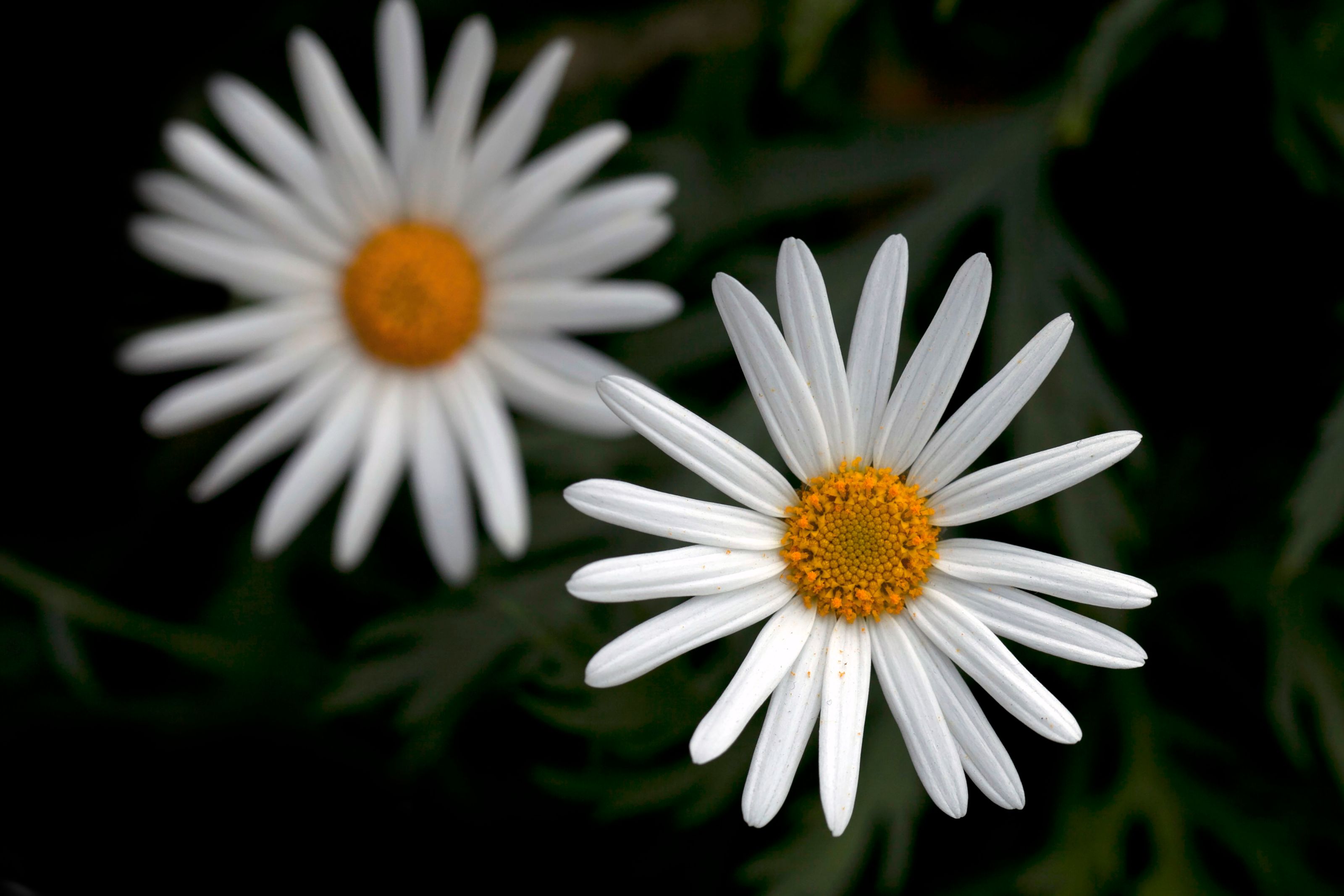
Common types of daisies for every garden
These daisy flower types show up in garden centers across the United States every spring. Each one earns its spot by being reasonably easy to grow, widely available, and genuinely attractive.
Shasta daisy (Leucanthemum × superbum)
- Shasta daisy varieties rank among the most popular types of white daisies in American gardens. Luther Burbank bred the original Shasta daisy in the 1890s near Mount Shasta, California — hence the name.
- Shasta daisies grow 2 to 3 feet tall and thrive in USDA zones 4 through 9. They bloom from early summer into fall and demand full sun (at least 6 hours daily). Well-drained soil with a pH between 6.0 and 8.0 keeps Shasta daisies healthy.
- Popular types of Shasta daisies include:
- 'Becky' — reaches 36 to 40 inches, blooms mid- to late summer, excellent cut flower
- 'Banana Cream' — opens soft yellow, fades to cream, stands about 18 inches tall
- 'Snowcap' — compact at 12 to 15 inches, strong stems resist wind damage
- 'Crazy Daisy' — double-petaled with a frilly, informal look, grows 24 inches tall
- 'Alaska' — classic single-petaled white, cold-hardy down to zone 3
- Deadhead spent Shasta blooms regularly. Each removed flower pushes the plant to produce another. Divide Shasta clumps every 2 to 3 years in early spring to maintain vigor.
Oxeye daisy (Leucanthemum vulgare)
Oxeye daisies look a lot like Shasta daisies. Smaller flowers — about 2 inches across — set Oxeye daisies apart. These perennial daisy types originated in Europe and now grow wild throughout all 50 states. Some states, including Montana and several others, list the Oxeye daisy as a noxious weed.
Oxeye daisies handle zones 3 through 8. The plants reach 12 to 24 inches tall and spread aggressively through rhizomes and self-seeding. Plant Oxeye daisies in contained beds or borders to control spread. Full sun and average soil suit these tough perennials.
English daisy (Bellis perennis)
English daisies stay short — just 3 to 6 inches tall. These compact daisy types grow as perennials in zones 4 through 8 and as cool-season annuals in warmer regions. English daisies produce pink, white, or red pompom-like blooms less than 2 inches across.
English daisies prefer partial shade in the southern U.S. and full sun in northern states. Keep the soil consistently moist. The cultivar 'Pomponette' produces tight, double flowers in mixed pink and white shades. 'Tasso' features semi-double blooms on sturdy, 6-inch stems.
Gerbera types of daisies
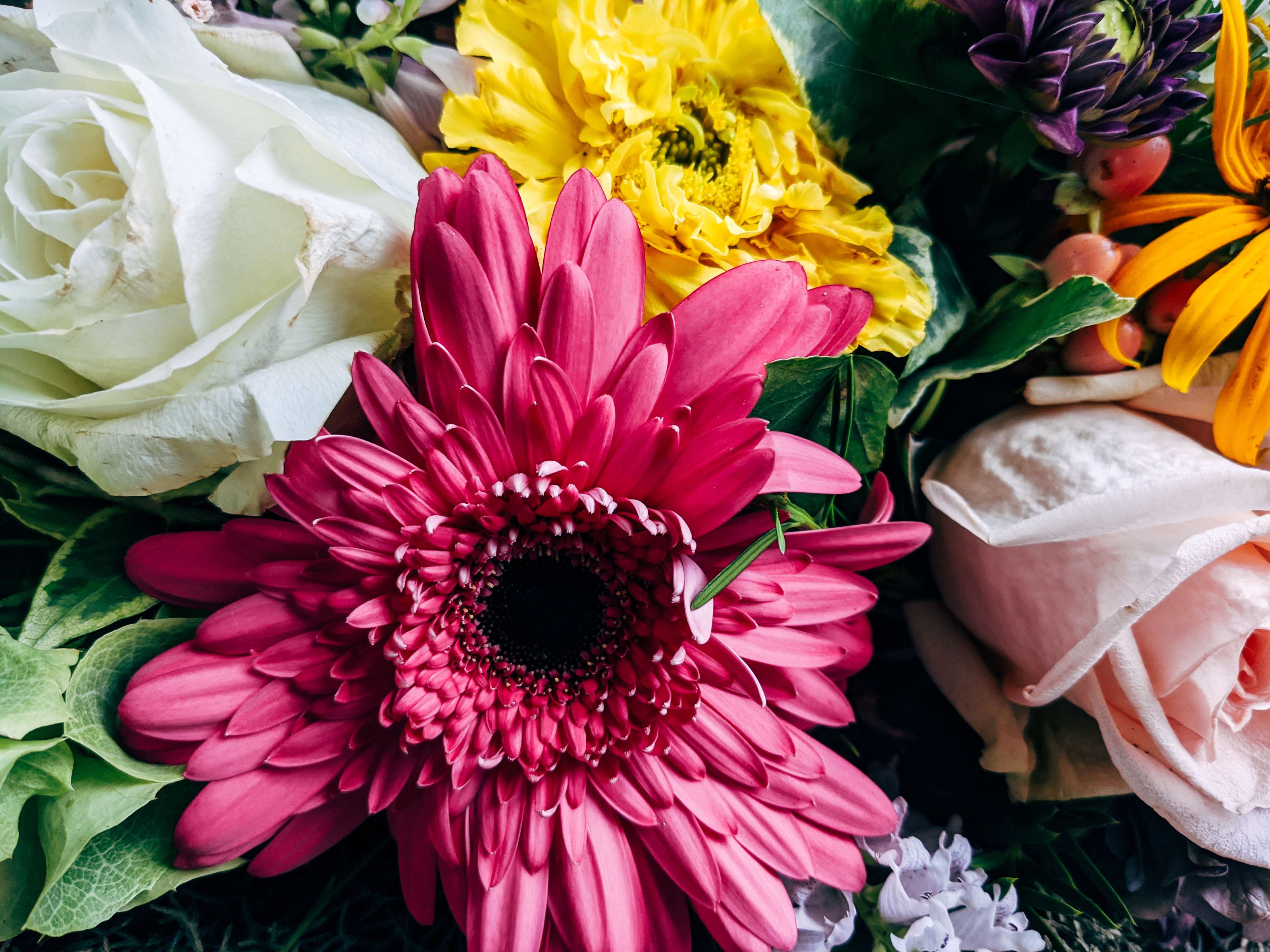
Gerbera daisies (Gerbera jamesonii) deliver the boldest color among all daisy flower types. Native to South Africa, these daisies produce blooms 4 to 5 inches across in red, orange, yellow, pink, salmon, and white. The U.S. cut flower industry ranks Gerbera daisies as the 5th most popular cut flower worldwide.
Gerbera daisy varieties by bloom form
- Gerbera daisy types fall into four main petal categories:
- Single-petaled — one ring of non-overlapping petals, visible center disc
- Semi-double — two rows of petals with a visible center
- Double-petaled — multiple petal layers, center partially hidden
- Spider — narrow, pointed petals giving a spiky look
Growing Gerbera daisies in the U.S.
Gerbera daisy varieties grow outdoors year-round only in zones 8 through 11. Gardeners in zones 4 through 7 treat Gerbera daisies as annuals or grow them in containers, bringing the pots indoors before the first frost.
Gerbera daisies need full morning sun and afternoon shade in hot climates (like Arizona or southern Texas). Plant the crown slightly above soil level to prevent crown rot — the number one killer of Gerbera daisies. Water at the base, not overhead. Gerbera daisies prefer a soil pH between 5.5 and 6.5.
One vase care tip for cut Gerbera daisies: trim 1 inch off the stems every 2 days and change the water daily. Cut Gerberas can last 7 to 14 days in a clean vase with flower food.

Perennial daisy types that come back every year
Perennial daisy varieties save you replanting costs and grow stronger each season. These daisy types establish deep roots and return reliably in the right zones.
Painted daisy (Tanacetum coccineum)
Painted daisies bring crimson, pink, and white blooms to zones 3 through 7 gardens. The plants grow 18 to 30 inches tall and bloom in late spring through early summer. Painted daisies need full sun and well-drained soil. A bonus: the foliage contains pyrethrin, a natural insecticide.
Coneflower daisy (Echinacea purpurea)
Coneflowers thrive across zones 3 through 9. Purple coneflowers grow 2 to 5 feet tall and tolerate drought, heat, poor soil, and humidity. 'Magnus' won the Perennial Plant of the Year award in 1998. 'PowWow Wild Berry' stays compact at 20 inches and blooms the first year from seed.
Coneflowers attract butterflies and goldfinches. Leave spent flower heads standing through winter — birds eat the seeds, and the dry forms add structure to dormant gardens.
Blanket flower or Gaillardia daisy (Gaillardia spp.)
Gaillardia daisies display red-and-yellow bicolor petals on 12- to 18-inch stems. These perennial daisy types handle zones 3 through 10, tolerate heat, drought, sandy soil, and salt spray. Gaillardia daisies bloom from early summer until the first hard frost. 'Arizona Sun' produces 3-inch blooms on compact, 10-inch plants.
Marguerite daisy (Argyranthemum frutescens)
Marguerite daisies grow as tender perennials in zones 10 and 11 and as annuals elsewhere. These bushy plants reach 24 to 36 inches tall and wide. Flower colors include white, yellow, and pink. 'Butterfly' produces bright yellow, daisy-shaped blooms. Marguerite daisies need regular watering — they wilt fast in dry soil.
Seaside daisy (Erigeron glaucus)
Seaside daisies hug the ground at 6 to 12 inches tall. They grow wild along the Pacific Coast from Oregon to Southern California. Hardy in zones 3 through 8, Seaside daisies produce lavender-blue flowers from spring through summer. These perennial daisy varieties handle salt, wind, and sandy soil — perfect for coastal gardens.
Types of daisies with unique colors and features
Not every daisy wears white petals. These different kinds of daisies bring unexpected colors, textures, and even scents to your garden.
African daisy (Osteospermum spp.)
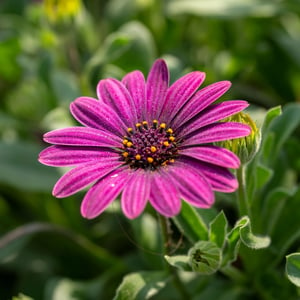
African daisies produce blooms in purple, pink, orange, white, and bicolor patterns. Some cultivars feature spoon-shaped petals — 'Whirligig' looks like a pinwheel. African daisies grow 12 to 24 inches tall in zones 9 through 11 and as annuals in cooler areas. The flowers close on cloudy days and at night. Plant African daisies in full sun with well-drained soil.
Blue daisy (Felicia amelloides)
Blue daisies — also called Blue Marguerite — carry true sky-blue petals with yellow centers. These South African natives grow as perennials in zones 9 through 11 and as annuals in colder regions. Blue daisies reach 12 to 24 inches tall and bloom spring through fall. They make excellent container plants.
Chocolate daisy (Berlandiera lyrata)
Here's something unexpected: Chocolate daisies smell like cocoa. Lean in close, especially in the morning. The yellow, 1.5-inch blooms appear on 12- to 24-inch plants and thrive in zones 4 through 11. Chocolate daisies tolerate extreme heat, drought, and rocky soil. Native to the American Southwest, this daisy type performs well in xeriscaped gardens across Texas, New Mexico, and Arizona.
Gloriosa daisy (Rudbeckia hirta)
Gloriosa daisies — sometimes called Black-eyed Susans — display golden yellow petals around a dark brown or black cone. These North American natives grow 12 to 36 inches tall and bloom from midsummer into fall. Hardy in zones 3 through 7, Gloriosa daisies self-seed freely. The cultivar 'Indian Summer' produces enormous 6- to 9-inch blooms on 3-foot stems.
Golden Marguerite (Anthemis tinctoria)
Golden Marguerite daisies produce cheerful, 1.5-inch yellow blooms on aromatic, ferny foliage. Plants reach 24 to 36 inches tall and flower from June through August in zones 3 through 7. Golden Marguerites tolerate poor, dry soil — heavy clay and wet conditions kill them fast. Cut the plant back by half after the first flush fades to encourage a second round of blooms.
Euryops daisy (Euryops pectinatus)
Euryops daisies — or Golden Shrub daisies — form woody, evergreen shrubs up to 6 feet tall in zones 9 through 11. Bright yellow, 2-inch flowers cover the plant almost year-round in mild climates. Gardeners in colder zones grow Euryops daisies in containers. These daisy plants need full sun and fast-draining soil.
Types of Shasta daisies: a closer look at cultivars
Shasta daisy varieties deserve their own spotlight because breeders have developed so many cultivars. Over 60 named Shasta cultivars exist. Here's a quick comparison of 5 popular picks:
| Cultivar | Height | Bloom form | Zone range | Bloom period |
|---|---|---|---|---|
| 'Becky' | 36–40 in. | Single | 4–9 | July–Sept |
| 'Snowcap' | 12–15 in. | Single | 4–9 | June–Aug |
| 'Crazy Daisy' | 20–24 in. | Double, fringed | 5–8 | June–Aug |
| 'Banana Cream' | 15–18 in. | Semi-double | 5–9 | June–Sept |
| 'Real Neat' | 18 in. | Quilled | 5–8 | June–Aug |
Choose compact types of Shasta daisies like 'Snowcap' for container gardens and front-of-border planting. Tall cultivars like 'Becky' work well at the back of a perennial bed. 'Banana Cream' makes a subtle alternative to pure white for gardeners wanting a softer look.
Annual daisy types for seasonal color
Not every daisy type comes back year after year. Several popular daisy varieties grow as annuals, giving you one big season of color.
Swan River daisy (Brachyscome iberidifolia)
Swan River daisies produce masses of small, fragrant blue, purple, or white flowers on 12-inch mounding plants. Native to Australia, Swan River daisies bloom from late spring into fall. They grow well in containers, hanging baskets, and rock gardens. Give these annuals full sun and light, sandy soil.
Dahlberg daisy (Thymophylla tenuiloba)
Dahlberg daisies stay tiny — 6 to 12 inches tall — and produce hundreds of bright yellow, half-inch blooms. Fine, thread-like foliage gives the plant a soft, feathery look. Dahlberg daisies love heat, tolerate drought, and bloom from late spring until frost in warm climates.
Butter daisy (Melampodium spp.)
Butter daisies grow 12 to 18 inches tall and produce small yellow flowers continuously from spring into fall. They self-clean — no deadheading needed. Butter daisies handle heat, humidity, and light shade. Gardeners across the southeastern U.S. rely on Butter daisies for low-maintenance summer color.
Looking for daisies without the digging?
Browse fresh daisy arrangements from local florists and pick the shade that fits your occasion.
How to pick the right daisy type for your garden
Choosing among so many kinds of daisies can feel overwhelming. Focus on four factors.
Match your hardiness zone first. Check your USDA zone at planthardiness.ars.usda.gov. Don't plant Gerbera daisies outdoors in zone 5 and expect them to survive winter. Choose Shasta daisies, Painted daisies, or Coneflowers for cold zones (3–7). Save Gerbera daisies and African daisies for zones 8 through 11 or grow them in pots.
Consider bloom time. Stagger different types of daisy flowers for continuous color. English daisies bloom in spring. Shasta daisies peak in midsummer. Coneflowers carry the show into early fall. Montauk daisies (Nipponanthemum nipponicum) don't bloom until September or October — a rare late-season option.
Think about height and placement. Tuck 6-inch English daisies at the front of a border. Place 36-inch Shasta 'Becky' in the middle row. Let 4-foot coneflowers anchor the back. Group at least 3 to 5 plants of each variety for a natural, flowing look.
Check your soil drainage. Almost every daisy variety hates soggy roots. Clay soil in many Midwest and Mid-Atlantic states needs amendments — mix in 2 to 3 inches of compost before planting. Sandy coastal soil drains fast, which suits African daisies and Seaside daisies well.
Caring for daisies after planting: practical steps
Daisy types vary in their care demands, but a few rules apply broadly across most daisy varieties.
Watering
Water newly planted daisies deeply twice a week for the first 4 to 6 weeks. Once established, most perennial daisy types (Shasta, Coneflower, Gaillardia) need about 1 inch of water per week. Gerbera daisies and English daisies need more consistent moisture — don't let the soil dry out completely between waterings.
Feeding
Apply a balanced 10-10-10 fertilizer once in early spring. Avoid heavy nitrogen feeds — too much nitrogen pushes foliage growth at the expense of blooms. Gerbera daisies benefit from a light liquid feed every 2 weeks during bloom season.
Deadheading and pruning
Pinch or cut spent flowers just above the first set of healthy leaves. Deadheading pushes nearly every daisy type to produce more blooms. For Shasta daisies and Painted daisies, cut flower stems all the way back to the basal foliage after the first flush — this encourages a second bloom in late summer.
Managing pests and disease
Watch for aphids, slugs, and leaf miners. Spray aphids off with a strong hose blast. Set out slug traps (shallow dishes of beer work surprisingly well) near English daisies and Gerbera daisies — both attract slugs.
Powdery mildew hits Shasta daisies and Marguerite daisies in humid climates. Improve air circulation by spacing plants 18 to 24 inches apart. Water at the base, never overhead. Remove infected leaves immediately.
Winter prep in the U.S.
In zones 4 through 6, apply a 3-inch layer of mulch (straw or shredded leaves) around perennial daisy crowns after the first hard frost. Remove the mulch in early spring when new growth appears. In zones 8 through 11, most daisy types grow through winter with no special protection.
Common mistakes when growing daisies (and how to avoid them)
- ✗Even experienced gardeners trip up with daisy plants. Here are 5 frequent problems:
- ✗Planting Gerbera daisies too deep — keep the crown at or slightly above soil level to prevent rot
- ✗Overcrowding Shasta daisies — divide clumps every 2 to 3 years or stems weaken and blooms shrink
- ✗Ignoring soil pH — Gerbera daisies need acidic soil (pH 5.5–6.5), while Shasta daisies tolerate alkaline conditions up to pH 8.0
- ✗Overwatering established Coneflowers and Gaillardia — both prefer dry spells over constant moisture
- ✗Skipping deadheading — one missed week of spent blooms can cut total flower production by 30% or more
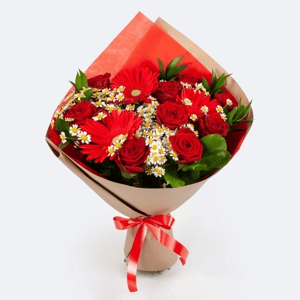
Best daisies for specific U.S. holidays and occasions
Different types of daisies fit different celebrations throughout the year.
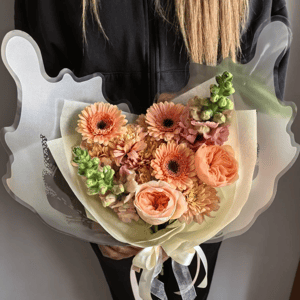
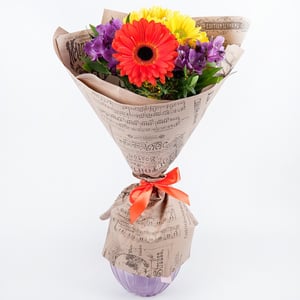
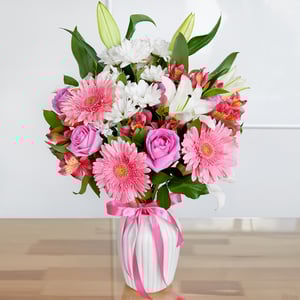
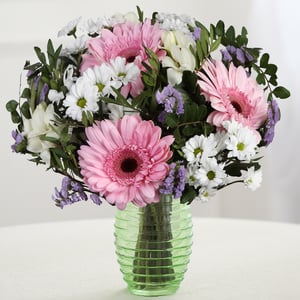
Mother's Day (second Sunday in May): Gerbera daisy bouquets in pink or coral make a bright, cheerful gift. Local florists across the U.S. carry Gerbera daisies year-round. Order early — Mother's Day ranks as the second-busiest flower holiday after Valentine's Day.
Memorial Day (last Monday in May): White Shasta daisies and white Gerbera daisies suit memorial tributes. Pair white daisies with red carnations and blue delphiniums for a patriotic arrangement.
Summer weddings (June through September): Shasta daisies, English daisies, and white African daisies work well in bridal bouquets and centerpieces. A single stem of Shasta 'Becky' costs roughly $1–$2 at wholesale, making large daisy arrangements budget-friendly.
Thanksgiving (fourth Thursday in November): Gloriosa daisies, Gaillardia, and orange Gerbera daisies bring warm autumn tones to the table. Combine these daisy types with sunflowers and mums for a seasonal centerpiece.
How to keep cut daisies fresh longer
- You brought home a gorgeous bunch of daisies. Now keep them alive.
- Trim 1 inch off each stem at a 45-degree angle before placing in water
- Fill the vase with cool, clean water and add one packet of flower food
- Strip all leaves below the waterline — submerged leaves breed bacteria fast
- Change the water every 2 days and re-trim the stems each time
- Keep the vase away from direct sunlight, heating vents, and fruit bowls (ripening fruit releases ethylene gas, which wilts daisies faster)
- Shasta daisies and Oxeye daisies last about 7 days in a vase. Gerbera daisies can last 10 to 14 days with proper care. English daisies fade faster — expect 4 to 5 days at best.
Your next move
You now have a working catalog of daisy types, from cold-hardy Shastas for a Minnesota border to heat-loving Gerberas for a Southern California patio. The one thing that separates a thriving daisy garden from a disappointing one? Matching the variety to your zone and soil before you spend a dollar. Start with two or three types that suit your conditions. Expand next year once you see what thrives. And honestly — few flowers reward so little effort with so much color. Which daisy variety will you try first?
Send daisies today
Choose your bouquet, add a message, and let a local florist hand-deliver it fresh.
Frequently asked questions
What are the easiest types of daisies to grow for beginners?▾
Shasta daisies ('Becky' or 'Snowcap'), Coneflowers (Echinacea purpurea), and Gaillardia daisies forgive the most mistakes. All three handle drought, poor soil, and temperature swings across zones 3 through 9.
Can I grow Gerbera daisies outdoors in cold climates?▾
Gerbera daisies survive winter outdoors only in zones 8 through 11. In colder areas, plant Gerbera daisies in containers and bring the pots inside when nighttime temperatures drop below 50°F.
Which daisy types bloom the longest?▾
Gaillardia daisies and Gerbera daisies bloom from early summer until the first frost — roughly 4 to 5 months. Coneflowers also deliver a long bloom window from July through September. Deadheading extends the season for all three.
Are any daisies native to the United States?▾
Yes. Purple coneflower (Echinacea purpurea), Gloriosa daisy (Rudbeckia hirta), Chocolate daisy (Berlandiera lyrata), and Seaside daisy (Erigeron glaucus) all originate in North America.
What types of white daisies work best for wedding bouquets?▾
Shasta daisies ('Becky' or 'Alaska'), white Gerbera daisies, and white African daisies (Osteospermum) all hold up well in bouquets. Shasta daisies offer the most budget-friendly option at $1–$2 per stem wholesale.
Do daisies attract pollinators?▾
Absolutely. Coneflowers, Gaillardia daisies, and Shasta daisies draw bees, butterflies, and hoverflies. Coneflowers also feed goldfinches in fall and winter when you leave the spent seed heads standing.