 EUR
 GBP
 CAD
 AUD

 🍂Thanksgiving Day🍂
 Birthday
 Occasions
 Flowers
 Roses
 Plants
 Gifts
 International Flower Delivery
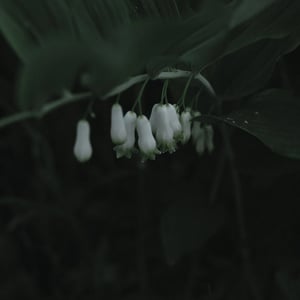
Bluebell flower: what it means and how to share its message
- 🔔 The bluebell flower mainly means constancy and humility, so it suits quiet, loyal messages like thanks, anniversaries, or "I'm still here" better than loud romance.
- 🌱 Real bluebells wilt within hours of cutting, and the UK's Wildlife and Countryside Act 1981 protects wild bulbs, so florists use blue lisianthus, grape hyacinth, delphinium, or campanula to carry the same meaning.
- ⚠️ English folklore ties bluebells to fairies and death omens, so add a short card that names the positive meaning you intend.
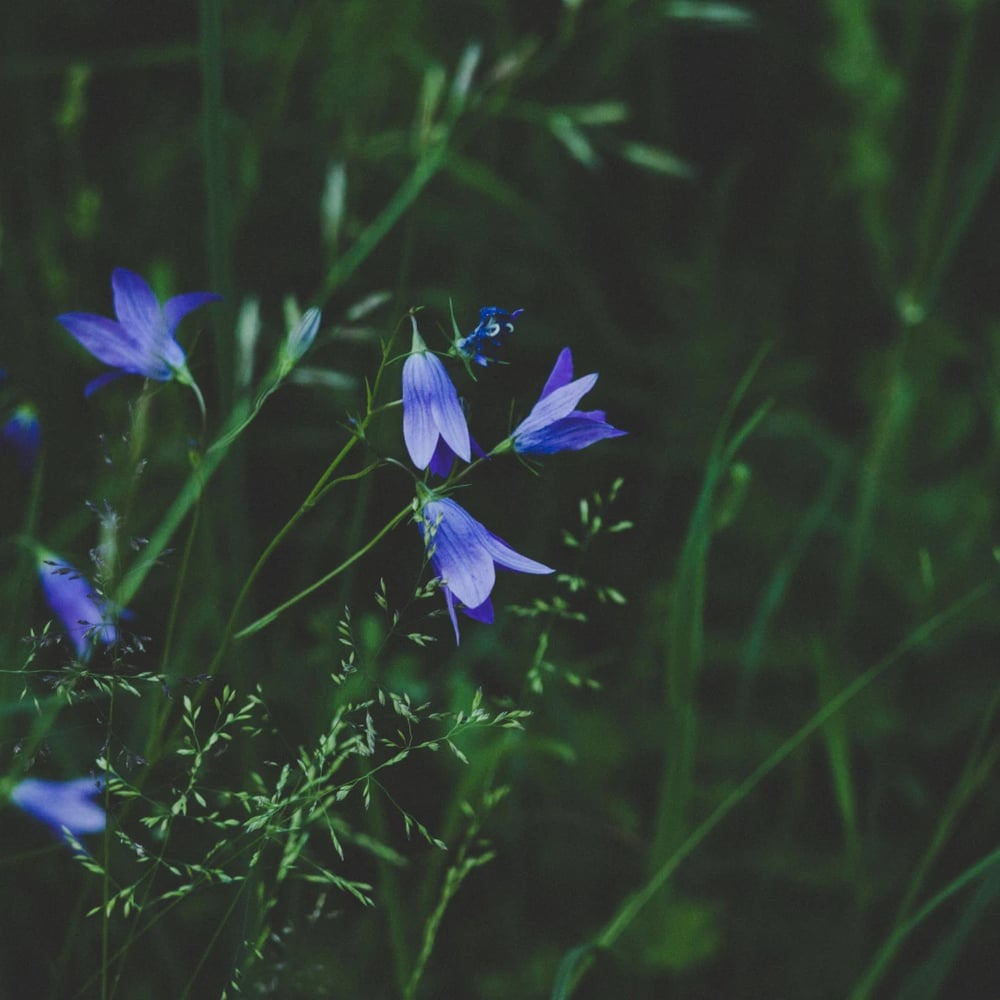
The bluebell flower carries one of the clearest messages in the old language of flowers: constancy. Knowing that message helps you pick a gift that says "I'm still here" without a long speech, and it helps you steer clear of the darker side of bluebell folklore. British voters chose the bluebell as the UK's favorite wildflower in a 2015 Plantlife poll, and Americans have their own native version, the Virginia bluebell, which colors eastern woods every April. Below you'll find the full bluebell flower meaning, from humility and hope to the fairy legends, plus a practical way to send that message to someone in the US, even though real bluebells barely last a day in a vase.
What is a bluebell flower? Meet the plants behind the name
The name "bluebell" covers at least five different plants, and the meaning shifts slightly with each one. Here's a quick map before we get into symbolism.
| Plant | Scientific name | Native range | Bloom time | Height |
|---|---|---|---|---|
| English bluebell | Hyacinthoides non-scripta | Britain, Ireland, Atlantic Europe | Mid-April to late May | 8–20 inches |
| Spanish bluebell | Hyacinthoides hispanica | Spain, Portugal | April to May | 12–20 inches |
| Virginia bluebell | Mertensia virginica | Eastern North America | Late March to May | 12–24 inches |
| Scottish bluebell (harebell) | Campanula rotundifolia | Northern Hemisphere, including the US | June to September | 6–18 inches |
| Texas bluebell | Eustoma (lisianthus) | Texas, Great Plains, Mexico | June to September | 12–24 inches |
The English bluebell (Hyacinthoides non-scripta)
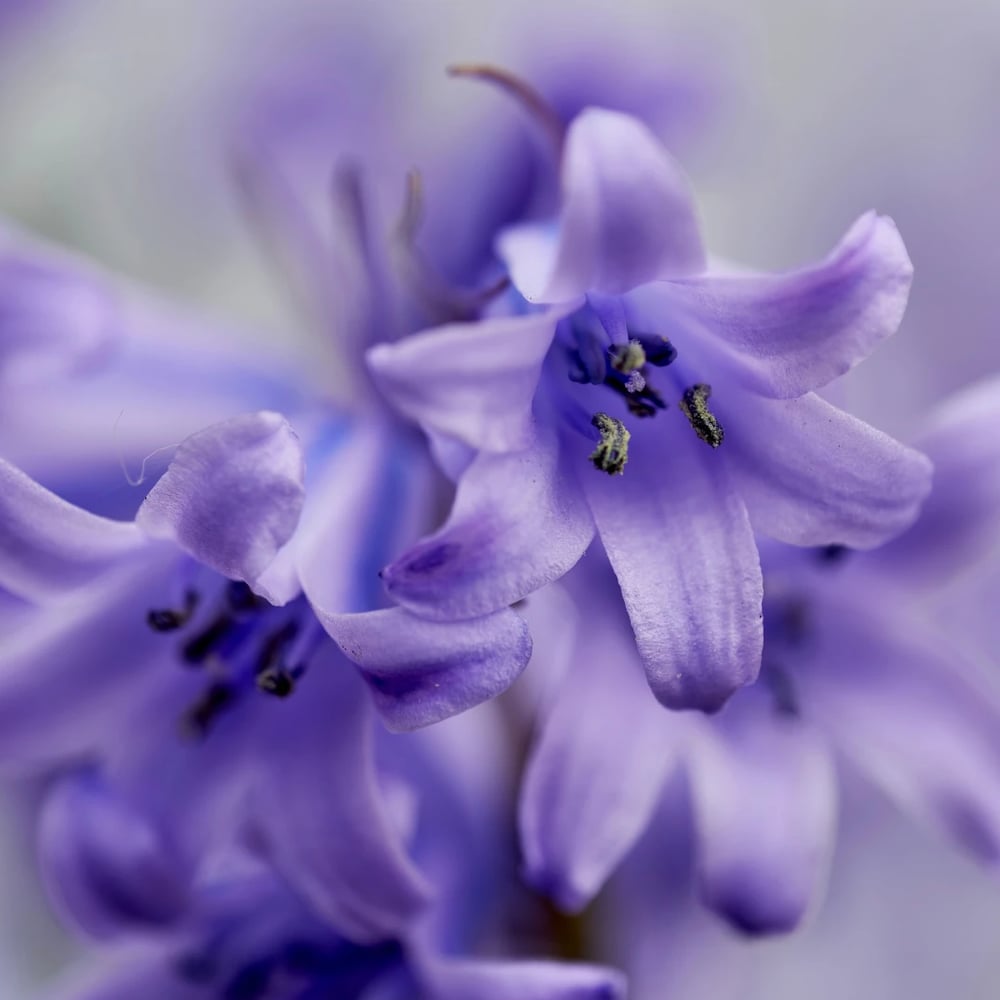
The English bluebell gives us most of the classic symbolism. Each stem bends to one side and carries roughly 5 to 20 bell-shaped flowers with cream-colored pollen. Britain holds about half of the world's population of this species. Ecologists treat dense bluebell carpets as a sign of ancient woodland, meaning land in England that has stayed wooded since at least 1600.
Patience matters here: a single bluebell seed takes about 5 years to grow into a flowering bulb.
The Spanish bluebell (Hyacinthoides hispanica)
The Spanish bluebell looks similar but stands straight up. Its flowers circle the whole stem, and its pollen runs blue or pale green instead of cream. US garden centers often sell this plant as "wood hyacinth." Spanish bluebells also cross freely with the English species and produce a hybrid, Hyacinthoides × massartiana, which worries British conservationists.
The Virginia bluebell (Mertensia virginica)
The Virginia bluebell is America's own bluebell, and botanically it has no relation to the English plant. Its buds open pink and turn sky blue as the flowers mature. The plant blooms from late March into May, then disappears underground by early summer. Bumblebees and early butterflies pollinate it. Bull Run Regional Park in Centreville, Virginia, hosts an annual bluebell festival each April, when the floodplain turns blue.
The Scottish and Texas bluebells
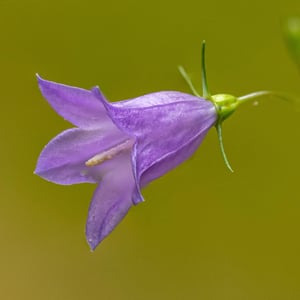
Scots call the harebell, Campanula rotundifolia, their bluebell, and it grows wild across much of the northern US too. The Texas bluebell is lisianthus, Eustoma, which florists across the country stock year-round. Keep lisianthus in mind — you'll need it later for gifting.
Bluebell flower meaning in the language of flowers
The bluebell earned its classic meaning during the Victorian floriography craze, which ran roughly from the 1830s to the 1890s. Victorians sent coded bouquets because strict etiquette kept many feelings unspoken, and flower dictionaries printed in London and New York gave every bloom a message. In that language, the bluebell settled on a small set of virtues.
Humility and constancy
The drooping bell explains the humility. The English bluebell literally bows its head, and Victorian readers saw modesty in that posture.
Constancy comes from the plant's behavior. A bluebell colony returns to the same patch of woodland every April, sometimes for centuries. Picture an English wood that has flowered blue every spring since before 1600. That's loyalty you can see.
That pairing of humility and constancy makes the bluebell a natural fit for gifts like these:
- Anniversaries that celebrate steady, everyday love
- Thank-you notes to a mentor who never asked for credit
- Reconnections with an old friend after years apart
- Support gifts for someone going through a long recovery
Gratitude and everlasting love
Later sources added gratitude and everlasting love to the bluebell's meaning. The logic follows from constancy: a love that returns every season never really ends. Honestly, "everlasting love" works best for long marriages rather than new relationships. A bluebell says "I'm staying." A red rose says "I'm falling." Those two messages land very differently on a third date.
The spiritual side of the bluebell: wisdom and hope
The bluebell's meaning gets deeper once you move past Victorian dictionaries into older traditions. Bluebells bloom right around Beltane, the Celtic festival on May 1. Celtic tradition treated that date as a thin moment between seasons, when spirits and fairies moved closer to people.
Spiritual interpretations
Modern spiritual writers connect the bluebell with gentle intuition and inner peace. Many energy-healing traditions place blue at the throat chakra, so some practitioners link bluebells to honest speech. English Christians had a simpler connection: some old English names call the bluebell "St. George's flower," because the first blooms often open near St. George's Day on April 23.
Wisdom
The wisdom angle hides in the Latin name. Non-scripta means "not written on." Greek myth tells how Apollo's grief marked the original hyacinth with the letters "AI AI," a cry of sorrow. The bluebell carries no such marks. Botanists named the plant for that difference, and symbolists read it as quiet wisdom: knowing something without needing to announce it.
Kind of beautiful, right?
Hope and renewal
The bluebell's link to hope comes from timing. English bluebells flower in late April, before oak and beech leaves close the canopy overhead. The Virginia bluebell belongs to the "spring ephemerals," the first wildflowers to break through after an eastern winter. Both plants announce that the hard season is over.
Anne Brontë wrote a poem called "The Bluebell" in 1840, in which a single bluebell carries her back to happier childhood days. That mix of memory and hope makes the bluebell a thoughtful gift for someone starting fresh after a loss, a move, or an illness.
Bluebells in folklore and fairy lore
The bluebell holds a big place in British fairy legends. English folklore says fairies ring bluebells to call each other to midnight gatherings. Country people called a dense patch of bluebells a fairy ring, and they warned children away from the woods in May.
The stories have a practical side, too. Elizabethan launderers used starch from bluebell bulbs to stiffen the large ruff collars of the 1500s. Bookbinders used the sticky sap as glue, and archers used it to attach feathers to arrows. People clearly respected the plant, even while they feared the fairies around it.
Does the bluebell flower have a negative meaning?
Yes, the bluebell carries a few negative associations. Know them before you give one as a gift.
- Death omens: Folklore says anyone who hears a bluebell ring will soon die.
- Fairy traps: Old tales warn that a child who picks bluebells alone may wander lost forever, "pixie-led" by fairies.
- Grief: Victorian dictionaries assigned grief and submission to the harebell, the Scottish bluebell.
- Toxicity: Every part of the English bluebell contains glycosides called scillarens, which are poisonous to people, dogs, cats, and horses.
- Legal trouble: The UK's Wildlife and Countryside Act 1981 protects wild bluebells, and anyone who digs up wild bulbs for sale can face a fine of up to £5,000 per bulb.
Here's the good news: most Americans don't know the omen stories, and a card with a clear message removes any doubt. Just keep potted bluebells away from curious pets. The ASPCA Animal Poison Control Center answers calls at (888) 426-4435.
Bluebell flower meaning by color
Bluebells come in more than one color, and each shade shifts the message. True blue flowers are rare in nature — botanists estimate that fewer than 10% of flowering plants produce blue blooms, which helps explain why people prize bluebells so much.
| Color | Meaning | How common |
|---|---|---|
| Blue to violet | Constancy, loyalty, calm | Nearly all wild plants |
| White | Purity, a fresh start | About 1 in 10,000 wild English bluebells |
| Pink | Gentle affection, sweetness | Rare in the wild, more common in garden varieties |
| Pink-to-blue (Virginia bluebell) | Growth, change over time | Every Virginia bluebell plant |
The Virginia bluebell's color shift makes a lovely metaphor for a graduate or a new parent: the colors change, but the plant stays the same.
Looking for mothers day?
Browse mothers day from local florists — hand-arranged and delivered fresh near your recipient.
Bluebell gifts for US holidays and occasions
Bluebell season lines up neatly with several American spring holidays. Use this table to match the meaning to the moment.
| Occasion | 2026 date | Bluebell meaning that fits |
|---|---|---|
| Easter | April 5 | Hope, renewal |
| Teacher Appreciation Week | May 4–8 | Humility, gratitude |
| Mother's Day | May 10 | Constancy, everlasting love |
| Memorial Day | May 25 | Remembrance, loyalty |
| Graduation season | May–June | Hope, growth |
| Wedding anniversaries | Any date | Constancy |
Mother's Day stands out. Wild bluebells peak in England during the first two weeks of May, and Mother's Day falls on the second Sunday of May. A blue bouquet on that Sunday says "you've always been there," a message that hits harder than a generic pink arrangement.
How to send the bluebell message when real bluebells won't last
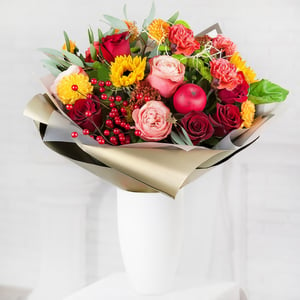
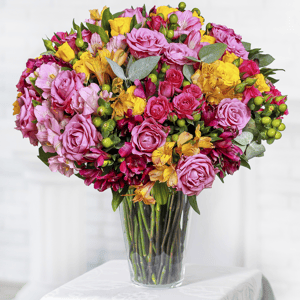
The bluebell has one big drawback as a gift: it collapses fast after cutting, and most US florists don't stock cut bluebells at all. Instead, local florists build blue bouquets from sturdier flowers that carry the same mood.
Flowers that carry the bluebell meaning
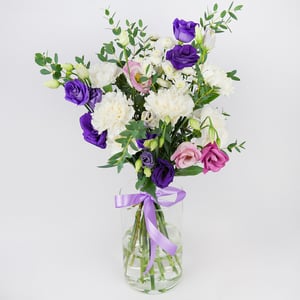
- Lisianthus (the Texas bluebell) lasts 10 to 14 days in a vase and comes in deep blue-violet.
- Grape hyacinth (Muscari) shares the bluebell's family and its nodding bell shape.
- Delphinium adds height, often reaching 24 to 36 inches as a cut stem.
- Campanula (bellflower) offers the closest bell shape and shares a genus with the Scottish bluebell.
- Blue hydrangea adds volume and pairs well with all four flowers above.
How ordering works with local florists
- Choose a blue or purple bouquet in the MyGlobalFlowers catalog.
- Write a card message that names the bluebell meaning you intend.
- Pick a delivery date, ideally a day or two before a big holiday like Mother's Day.
- Confirm the recipient's address and a phone number for the courier.
- Relax while a local florist arranges the bouquet and a courier hand-delivers it.
A florist near your recipient builds every bouquet, so the flowers never travel across the country. Many local florists accept same-day orders until around noon in the recipient's time zone. Check the cutoff time at checkout: a noon EST cutoff in Boston equals 9 AM PST for you in Los Angeles.
Practical tips for choosing a bluebell-inspired bouquet
A bluebell-style bouquet works best with a few smart choices. Keep these tips in mind:
- Ask for blue-violet tones rather than navy, because real bluebells lean violet.
- Choose nodding or bell-shaped flowers like campanula to echo the bluebell silhouette.
- Add white accents to bring in the "fresh start" meaning of white bluebells.
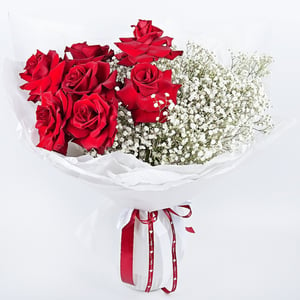
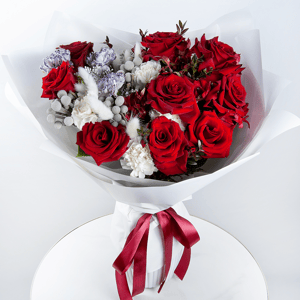
- Skip heavy red roses, since red shifts the message toward passion instead of constancy.
- Mention the bluebell theme in your order note so the florist can match the mood.
How to care for blue flowers after delivery
Bluebell stand-ins need only simple care, but US weather changes the details. Desert heat in Phoenix and humid summers in Houston both shorten vase life. Your recipient can follow these steps:
- Trim 1 inch off each stem at a 45-degree angle with sharp scissors.
- Fill a clean vase with cool water and the flower food packet.
- Change the water every 2 days, or daily in hot Southern summers.
- Keep the vase in a spot between 65°F and 72°F, away from sunny windows.
- Move the bouquet away from air conditioning vents and heaters, because blowing air dries petals fast.
- Soak wilting hydrangea heads in cool water for 30 minutes to revive them.
By the way, delphiniums drink a lot, so top up a delphinium vase every morning.
Common mistakes and how to avoid them
- Mistake: ordering "bluebells" by name. Most florists can't source cut bluebells. Ask for a bluebell-style blue bouquet instead.
- Mistake: sending bluebells without a card. A small group of recipients know the death-omen folklore, and one sentence about constancy clears that up.
- Mistake: giving a potted bluebell to a pet owner. Scillarens are poisonous to dogs and cats. Choose a cut bouquet for homes with pets.
- Mistake: digging up wild bluebells. Wild Virginia bluebell colonies take years to establish, and several states protect native wildflowers on public land. Buy nursery-grown plants.
- Mistake: waiting until Mother's Day weekend. Florists across the US face their busiest days in early May. Order 3 to 5 days ahead.
Extras that make the bluebell message stronger
A few thoughtful add-ons make the bluebell's meaning much clearer, and the card does most of the work. Try one of these messages:
- "Like bluebells every April, I'll always come back to you."
- "Thank you for 20 years of quiet, steady kindness."
- "For your fresh start, here's a little spring hope."
- "Constant then, constant now. Happy anniversary."
- "You taught me more than you'll ever take credit for."
Many services also offer photo confirmation, so you see the bouquet the moment the courier hands it over. Chocolates, a small teddy bear, or a balloon pair well with a Mother's Day order. For a gardener, a nursery-grown Virginia bluebell plant makes a gift that returns every spring, turning the constancy meaning into something real.
Growing bluebells in a US garden
Bluebells grow well in much of the US. English bluebells thrive in USDA hardiness zones 4 to 8. Plant the bulbs in October or November, about 3 to 4 inches deep and 4 to 6 inches apart, in partial shade. White Flower Farm in Litchfield, Connecticut, sells Hyacinthoides bulbs for fall planting.
Want a native option? Virginia bluebells grow in zones 3 to 8 and support local bumblebees. Plant them under deciduous trees, where they get spring sun before the leaves fill in.
My take on the bluebell flower
The bluebell teaches something most gift guides skip: the loudest flower isn't always the right one. I'd send a blue, bell-shaped bouquet to the person who shows up for you every single year — the friend, the parent, the partner of 30 years. A red rose fits a first date. A bluebell fits a lifetime.
So who in your life deserves a "constancy" bouquet this spring? Pick one person and send that message before the Mother's Day rush hits. Browse the blue and purple arrangements in our catalog, write a card in your own words, and let a local florist do the rest.
Send fresh flowers today
Pick a bouquet and a local florist hand-delivers it fresh to the door.