 EUR
EUR
 GBP
GBP
 CAD
CAD
 AUD
AUD

 🎃Halloween🎃
 Birthday
 Occasions
 Same Day
 Flowers
 Roses
Roses
 Plants
 Gifts
Gifts
 International Flower Delivery
Aquatic Plants for Aquariums & Freshwater
- 🌿 Live aquarium plants absorb nitrates, release oxygen, and reduce algae — most beginners succeed with 5–6 hardy species like Java Fern, Anubias, and Amazon Sword.
- 💡 Freshwater aquarium plants need 8–10 hours of light daily, a nutrient-rich substrate, and liquid fertilizer every 1–2 weeks to stay healthy.
- 🐟 Start with low-light species, add CO2 only after you master the basics, and trim dead leaves weekly to keep your tank balanced.
Aquatic plants transform a glass box of water into a living, breathing ecosystem. Over 2,600 known species of aquatic plants grow across freshwater habitats worldwide — and roughly 200 of those species thrive inside home aquariums. You're here because you want healthier fish, clearer water, or simply a more beautiful tank. This guide walks you through every step: choosing your first live aquarium plants, keeping them alive, and avoiding the mistakes that kill them within weeks.
What makes a plant "aquatic"?
An aquatic plant spends its entire life cycle — or a major portion of it — submerged in water or rooted in saturated soil. Biologists classify these plants into four main groups.
Emergent plants
Emergent aquatic plants root underwater but push their stems and leaves above the surface. Cattails (Typha latifolia) and bulrushes grow this way in ponds across the U.S.
Submergent plants
Submergent species live completely underwater. Hornwort (Ceratophyllum demersum) and Anacharis (Egeria densa) fall into this category. Most freshwater aquarium plants belong here.
Floating-leaved plants
Floating-leaved species anchor their roots in the substrate and send leaves to the water's surface. Water lilies (Nymphaea) are a classic example — their leaves can span 6–12 inches across.
Free-floating plants
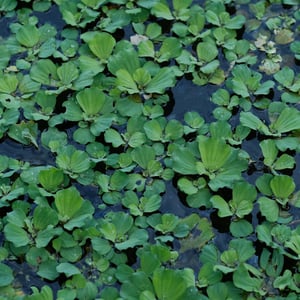
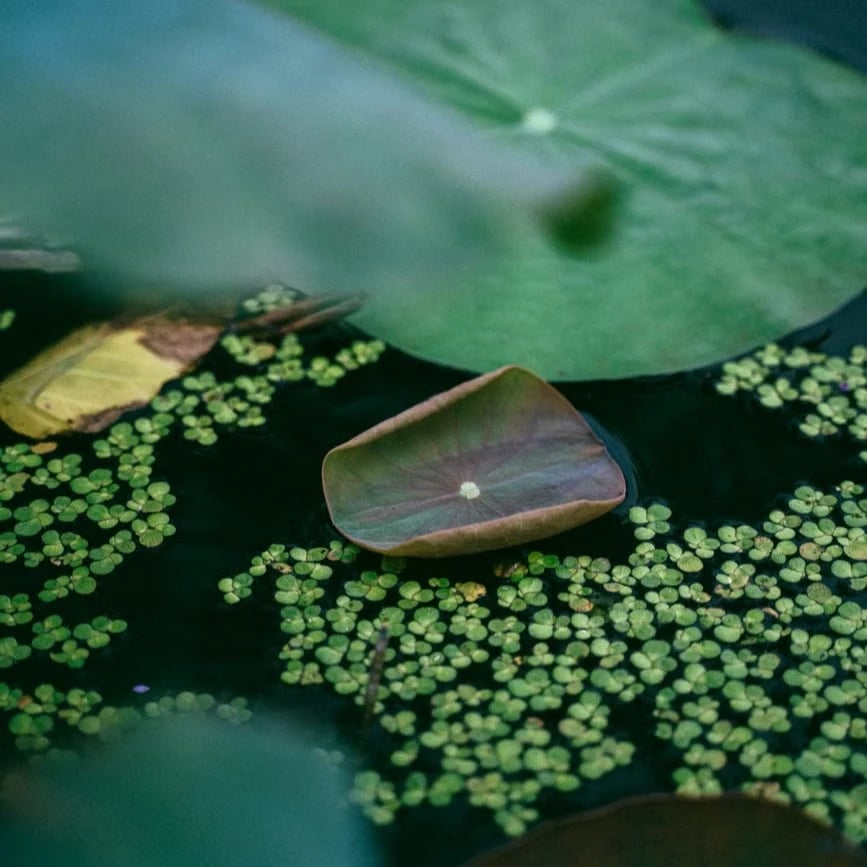
Free-floating plants drift on the surface without any root connection to the bottom. Duckweed (Lemna minor) doubles its coverage area in just 2–3 days under bright light. Aquarium hobbyists love Red Root Floaters (Phyllanthus fluitans) for their ruby undersides.
Why you should keep live aquarium plants
Live aquarium plants do more than look pretty. Here's what happens inside a planted tank.
Biological filtration
Plants in an aquarium absorb ammonia, nitrites, and nitrates — the same toxic compounds your filter works to remove. A heavily planted 20-gallon tank can reduce nitrate levels by 20–40 ppm per week, depending on plant mass and light.
Oxygen production
During photosynthesis, live aquatic plants release dissolved oxygen directly into your water column. Fish breathe easier. Bettas, guppies, and tetras show more vibrant coloring in planted environments.
Algae suppression
Aquarium plants compete with algae for the same nutrients. A well-planted tank starves algae of phosphates and nitrogen. Hobbyists who add fast-growing stems like Hornwort report noticeable algae reduction within 2–3 weeks.
Shelter for fish and fry
Dense plantings give shy species — Corydoras catfish, dwarf shrimp, newborn guppies — safe hiding spots. Java Moss (Taxiphyllum barbieri) creates a thick mat that protects fry from adult fish.

Best freshwater aquarium plants for beginners
Not every aquatic plant belongs in a beginner's tank. Some need CO2 injection, intense lighting, or specific water chemistry. Stick with these proven species first.
Java Fern (Microsorum pteropus)
Java Fern tolerates low light, hard water, and temperatures between 68°F and 82°F. Attach the rhizome to driftwood or rock — never bury the rhizome in substrate, or the plant rots. A single Java Fern grows 6–14 inches tall.
Anubias Barteri
Anubias grows slowly, which means fewer trimmings. This plant handles pH levels from 6.0 to 7.5 with ease. Attach Anubias to hardscape the same way you would Java Fern. Its thick, waxy leaves resist nibbling from herbivorous fish.
Amazon Sword (Echinodorus bleheri)
Amazon Sword needs a nutrient-rich substrate because it feeds heavily through its root system. A mature Amazon Sword can reach 20 inches tall — perfect as a background plant in tanks 20 gallons or larger. Drop a root tab near its base every 4–6 weeks.
Hornwort (Ceratophyllum demersum)
Hornwort grows fast. Really fast. Expect 1–3 inches of growth per week under moderate lighting. You can float Hornwort or anchor the stems in gravel. Hornwort also releases allelochemicals that slow algae growth.
Dwarf Sagittaria (Sagittaria subulata)
Dwarf Sagittaria forms a grass-like carpet across your foreground. Under moderate to high light, runners spread across the substrate within 4–6 weeks. The blades stay between 4–12 inches tall, depending on light intensity.
Cryptocoryne Wendtii
Cryptocoryne Wendtii handles low light and stays compact — around 6 inches in most setups. Fair warning: this species sometimes "melts" after planting. The leaves dissolve, but the roots survive. New growth appears within 1–2 weeks.
How to set up a planted freshwater aquarium
Aquatic plants need three things to survive: light, nutrients, and CO2. Get these right, and your plants grow. Miss one, and they struggle.
Choose the right substrate
Bare gravel won't feed root-heavy species. Consider these options:
- Aqua soil (e.g., Fluval Stratum): Lowers pH slightly, rich in minerals, costs roughly $15–$25 per 8.8 lb bag
- Nutrient-enriched gravel (e.g., Seachem Flourite): Porous, reusable, about $20 per 15.4 lb bag
- Inert sand + root tabs: Budget-friendly starter approach — a pack of 10 root tabs runs $5–$8 and lasts 2–3 months
Set your lighting schedule
Most freshwater aquarium plants thrive under 8–10 hours of light per day. Running lights longer than 10 hours invites algae blooms. Buy a basic plug-in timer for $5–$10 and automate your photoperiod.
LED fixtures dominate the hobby now. A quality planted-tank LED for a 20-gallon setup costs $30–$80. Look for lights rated between 20–40 PAR (Photosynthetically Active Radiation) at substrate level for low-to-medium light plants.
Understand CO2 basics
Every live aquatic plant uses CO2 for photosynthesis. Low-tech tanks rely on naturally dissolved CO2 from fish respiration and surface exchange — usually around 3–5 ppm. That's enough for Java Fern, Anubias, and most Cryptocorynes.
High-tech tanks inject pressurized CO2 to reach 25–35 ppm. A basic CO2 regulator plus a 5 lb tank costs $120–$200 as an initial investment. Skip this step until you feel comfortable with the basics.
How to care for live aquarium plants
Aquatic plants need ongoing attention. Not much — but consistent care makes a real difference.
Weekly maintenance tasks
- Trim dead or yellowing leaves with sharp scissors
- Remove floating debris from the water surface
- Dose liquid fertilizer (about 1 pump per 10 gallons, weekly)
- Check your light timer for any disruptions
Monthly maintenance tasks
- Test nitrate, phosphate, and iron levels with a kit like API Master Test Kit ($25)
- Replace root tabs near heavy feeders like Amazon Sword
- Prune fast-growing stems (Hornwort, Anacharis) to prevent overcrowding
- Wipe algae off slow-growing leaves (Anubias, Java Fern) using a soft brush
Water parameters that matter
Your plants care about these numbers:
| Parameter | Target range |
|---|---|
| Temperature | 72°F – 80°F |
| pH | 6.5 – 7.5 |
| GH (General Hardness) | 4 – 8 dGH |
| KH (Carbonate Hardness) | 3 – 8 dKH |
| Nitrate | 10 – 20 ppm |
| Phosphate | 0.5 – 2 ppm |
Captivated by unusual, striking greenery?
Discover exotic blooms with the same bold, otherworldly character.
Common mistakes with plants in an aquarium
Almost every planted-tank hobbyist makes at least one of these errors. You can skip the trial-and-error phase.
Burying rhizome plants
Java Fern and Anubias grow from a horizontal stem called a rhizome. Bury the rhizome in substrate, and the plant rots from the base up. Instead, tie or glue the rhizome to rocks or driftwood. Leave the roots dangling — they anchor themselves over 2–3 weeks.
Running lights too long
Twelve, 14, even 16 hours of light per day won't make your plants grow faster. But that extended photoperiod will absolutely fuel an algae explosion. Stick to 8–10 hours. No exceptions for the first 3 months.
Skipping fertilizer
Even in a tank with fish, plants often lack iron, potassium, and trace elements. Fish waste supplies nitrogen and phosphorus, but not everything else. Add a comprehensive liquid fertilizer weekly. Seachem Flourish ($8 for 250 ml) covers the basics for a small tank.
Overstocking plants on day one
You bought 15 species, crammed them into a 10-gallon tank, and now nothing grows well. Sound familiar? Start with 5–6 species. Give each plant enough space — roughly 2–3 inches between stems. Expand your collection after the first 6 weeks.
Ignoring melting leaves
Cryptocoryne melt looks alarming. The entire plant seems to dissolve overnight. Don't pull the plant out. The root system stays alive. New leaves — adapted to your water chemistry — emerge within 7–14 days.
Freshwater aquatic plants for specific tank setups
Different tanks call for different plants. Here's a quick breakdown by tank size and style.
Nano tanks (5–10 gallons)
Small tanks need compact species that won't outgrow the space in a month. Try these:
- Anubias Nana Petite (stays under 3 inches)
- Cryptocoryne Parva (the smallest Crypt, about 2–4 inches)
- Java Moss (spreads along surfaces, easy to trim)
- Monte Carlo (Micranthemum tweediei) as a carpet plant
Community tanks (20–55 gallons)
Mid-sized community tanks support a mix of foreground, midground, and background species. Place Amazon Swords and Vallisneria (Vallisneria americana) in the back. Tuck Cryptocoryne Wendtii and Dwarf Sagittaria in the midground. Java Moss or Monte Carlo works up front.
Large tanks (75+ gallons)
Bigger water volume means more stable parameters — and space for demanding species. Ludwigia (Ludwigia peruensis) adds deep red coloring under strong light. Rotala Rotundifolia creates dense, bushy columns. Echinodorus "Ozelot" reaches 16–18 inches with spotted, bronze leaves.
Where to buy live freshwater aquarium plants
You have four main sources for live aquarium plants in the U.S.
Local fish stores (LFS): You inspect the plant before buying. Staff can answer questions. Prices typically run $5–$15 per potted plant.
Online specialty retailers: Companies like Buce Plant and Canton Aquatics sell over 250 species and package plants with insulated materials. Expect to spend $4–$12 per individual plant, plus flat-rate delivery fees around $8–$12.
Aquarium club swaps: Join a local aquarium society — the Greater Chicago Cichlid Association, the Boston Aquarium Society, or similar groups — and trade cuttings for free. Members often share rare Bucephalandra and Cryptocoryne varieties.
Big-box pet stores: Chains like Petco and PetSmart carry 10–20 common species. Availability varies by location. Check the tubes and pots for snails, algae, or brown leaves before purchasing.
Seasonal considerations for aquatic plants in the U.S.
Seasons affect your planted tank more than you'd expect — especially the temperature inside your home.
Summer (June–August): Air conditioning keeps rooms around 72°F, but a tank near a sunny window can spike to 84°F or higher. Move the tank away from direct sunlight, or add a small clip-on fan to cool the water surface by 2–4°F.
Winter (November–February): Heaters work overtime when room temperatures drop below 68°F. Make sure your heater matches your tank size — use a 100-watt heater for a 20-gallon tank, a 200-watt for a 55-gallon. Cold-stressed plants stop growing and may shed leaves.
Spring (March–May): Many hobbyists rescape their tanks during spring. Fresh substrate, new species, and longer natural daylight create a strong growing season. Just remember to reduce artificial light hours if natural sunlight hits the tank.
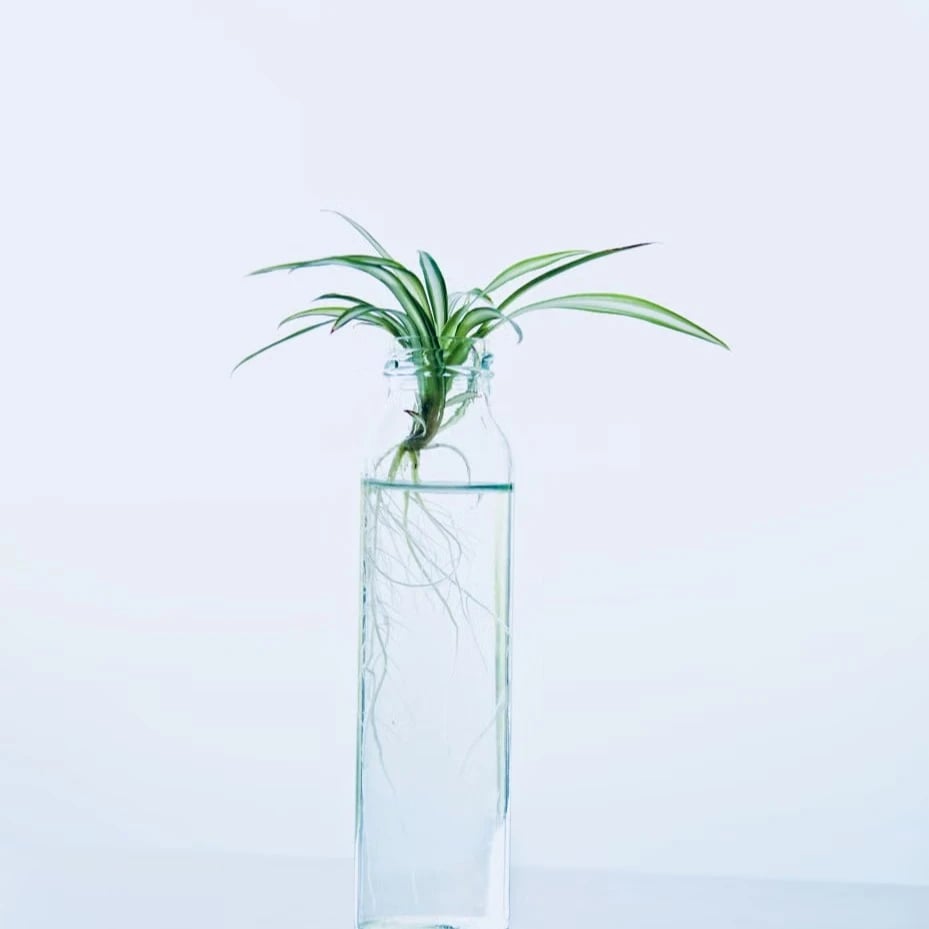
Live aquatic plants and U.S. holidays
Planted tanks make surprisingly thoughtful gifts and conversation pieces during holidays.
Valentine's Day (February 14): A planted Betta tank with Anubias and Java Fern makes a unique, living gift — way more lasting than cut flowers.
Earth Day (April 22): Adding live aquatic plants to your tank literally puts more oxygen into your home. Some aquarium clubs host plant swaps around Earth Day.
Back-to-school (August–September): A small planted nano tank on a desk teaches kids about ecosystems, nitrogen cycles, and responsibility. A 5-gallon setup with a Betta and 3–4 easy plants costs under $80 total.
Black Friday (late November): Online plant retailers run sales of 20–30% off. Stock up on root tabs, fertilizer, and new species. Buce Plant and similar retailers usually announce deals by early November.

Your next step
Here's what matters most: just start. Pick 3–4 hardy species, set your light timer to 8 hours, dose fertilizer once a week, and let the plants settle in. You'll make mistakes — everyone melts their first Cryptocoryne. The plants bounce back. So do you.
What's the first species going into your tank?
Want to brighten someone’s day?
Send a fresh arrangement and a local florist delivers it, often the same day.