 EUR
EUR
 GBP
GBP
 CAD
CAD
 AUD
AUD

 🎃Halloween🎃
 Birthday
 Occasions
 Same Day
 Flowers
 Roses
Roses
 Plants
 Gifts
Gifts
 International Flower Delivery
Poison Flowers: Types & Identification Guide
- 🌿 Most poison flowers grow in ordinary American yards and trails — not just remote wilderness — so learning to recognize 10–15 key species protects your household year-round.
- ⚠️ The "poison" family (poison ivy, poison oak, poison sumac, and poison hemlock) produces small, easy-to-miss flowers that many people never realize exist until a rash or worse appears.
- 🩺 Call Poison Control at 1-800-222-1222 immediately after any suspected contact or ingestion — quick action within the first 30 minutes dramatically changes outcomes.
Poison flowers kill roughly 3,000 Americans every year through accidental exposure, according to data from the National Capital Poison Center (2023). That number alone should make you pause before touching an unfamiliar bloom on your next hike — or even in your own backyard. This guide walks you through the most dangerous flowering plants across the U.S., including the "poison" family everyone asks about: poison ivy, poison oak, poison sumac, and poison hemlock. You'll learn how to spot each one, what makes each plant toxic, and exactly what to do when skin or mouth meets the wrong petal.
Poison flowers that can kill: the most dangerous blooms in the U.S.
Poison flowers range from mildly irritating to genuinely lethal. Let's start with the species that carry the most severe consequences.
Oleander (Nerium oleander)
Oleander lines highways and median strips across the Southern states, especially in California, Texas, and Florida. Every part of the oleander plant contains cardiac glycosides — compounds that disrupt your heart rhythm. A single leaf carries enough toxin to kill a small child. The Centers for Disease Control has documented fatal cases from people who roasted marshmallows on oleander sticks. Blossoms come in white, pink, red, and yellow. Pretty? Absolutely. Worth touching? Never.
Monkshood (Aconitum napellus)
Monkshood earned the nickname "wolf's bane" centuries ago. The plant contains aconitine, one of the fastest-acting plant toxins known. Skin contact alone can trigger numbness and tingling. Ingesting even 2 milligrams of pure aconitine — roughly a fingertip-sized amount of root — can stop the heart. Monkshood grows wild in mountainous areas of the Pacific Northwest and thrives in USDA Zones 3 through 7.
Angel's Trumpet (Brugmansia)
Angel's Trumpet hangs dramatic, bell-shaped flowers that reach up to 20 inches long. The entire plant packs tropane alkaloids: scopolamine, atropine, and hyoscyamine. Teenagers in Florida and Texas have ended up in ICUs after brewing Angel's Trumpet "tea." Hallucinations, seizures, and respiratory failure follow large doses. The plant grows as a perennial in Zones 8 through 11.
Foxglove (Digitalis purpurea)
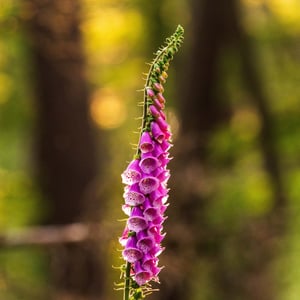
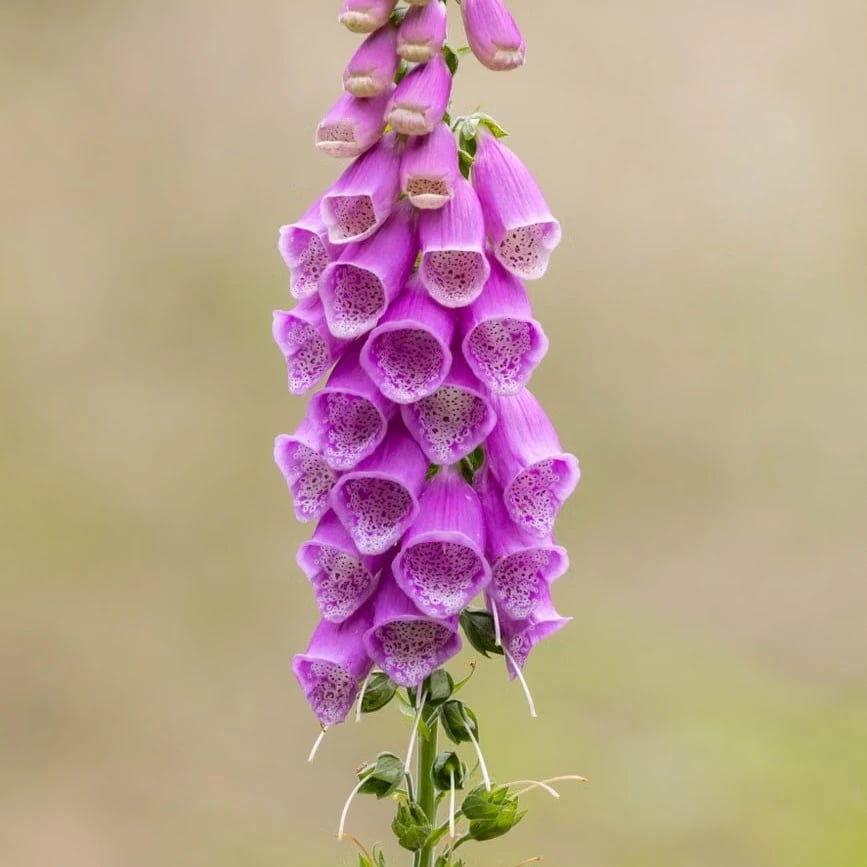
Foxglove gave modern medicine digoxin, a drug that treats heart failure. The raw plant, though, delivers uncontrolled doses. Eating just 2–3 leaves can cause fatal cardiac arrhythmia. Foxglove self-seeds aggressively and pops up in cottage gardens across New England and the Pacific Northwest. The tubular purple blooms look stunning in a border — but you should always wear gloves when handling foxglove stems.
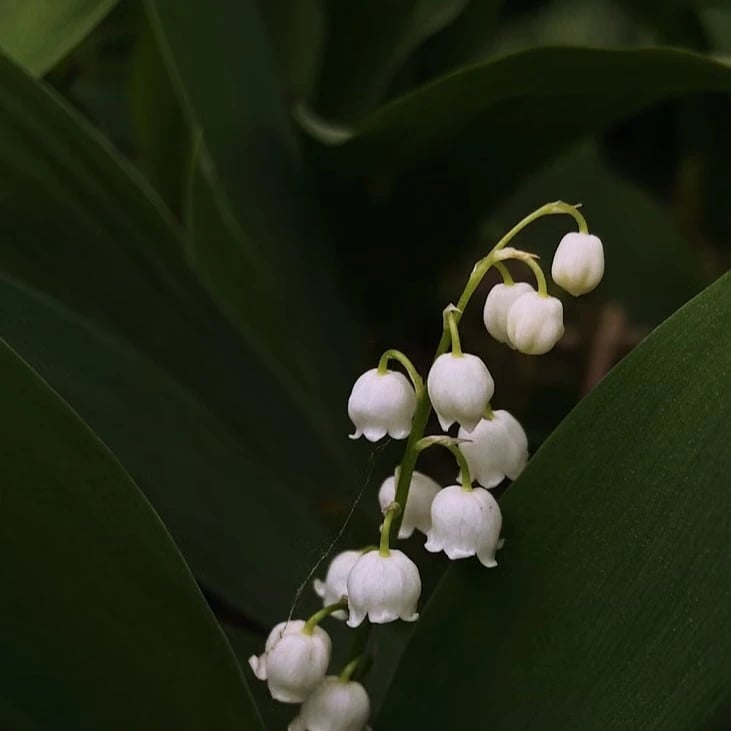
Lily of the Valley (Convallaria majalis)
Lily of the Valley contains over 30 cardiac glycosides. The tiny white bell-shaped flowers bloom in spring across Zones 3 through 9. Even the water in a vase holding Lily of the Valley stems carries enough toxin to cause nausea, blurred vision, and a dangerously slow pulse. Keep this plant far from toddlers and pets.
Does poison ivy have flowers? (Yes — here's what they look like)
Poison ivy flowers surprise most people. Almost everyone recognizes the "leaves of three, let it be" rule. Far fewer realize that poison ivy (Toxicodendron radicans) blooms every spring.
Poison ivy flowers appear between May and July, depending on your region. The blossoms measure only about 3 millimeters across — small, yellowish-green, and easy to overlook. They cluster in tight panicles near the leaf axils. By late summer, those flowers turn into whitish-gray berries that birds eat and spread across your property.
Here's what matters: every part of the poison ivy plant, including the flowers, contains urushiol oil. Your skin absorbs urushiol within 10–20 minutes of contact. About 85% of Americans develop an allergic rash from urushiol. The rash typically appears 12 to 72 hours after exposure and can last 2 to 3 weeks.
How to spot poison ivy flowers:
- Look for tiny clusters of 5-petaled yellowish-green blooms
- Check near the base of each leaf group along the stem
- Notice that each flower sits on its own short stalk within the cluster
- Expect blooms from late spring through early summer
Poison ivy grows in every U.S. state except Alaska and Hawaii. You'll find the plant along fence lines, forest edges, and even in suburban backyards from Maine to Southern California.



Poison oak flowers: what grows on the West Coast cousin
Poison oak flowers look strikingly similar to poison ivy flowers. That makes sense — both plants belong to the Toxicodendron genus and produce the same urushiol oil.
Pacific poison oak (Toxicodendron diversilobum) dominates the West Coast, especially in California, Oregon, and Washington. Atlantic poison oak (Toxicodendron pubescens) grows in the Southeast, from New Jersey down to Florida and west to East Texas.
Poison oak flowers bloom in small greenish-white clusters between March and June. Each blossom has 5 petals and measures roughly 3 to 5 millimeters across. The flowers develop into cream-colored berries by fall.
Key differences between poison oak and poison ivy blooms:
| Feature | Poison ivy flowers | Poison oak flowers |
|---|---|---|
| Color | Yellowish-green | Greenish-white |
| Bloom time | May–July | March–June |
| Berry color | Whitish-gray | Cream to tan |
| Primary range | Eastern and Central U.S. | West Coast, Southeast |
| Leaf shape | Pointed, smooth or toothed | Rounded, lobed like oak leaves |
The reaction from poison oak urushiol matches the poison ivy rash. Wash exposed skin with lukewarm water and dish soap within 15 minutes. That short window dramatically reduces rash severity.
Poison sumac flowers: the swamp dweller you don't want to touch
Poison sumac flowers grow exclusively in wet, swampy habitats. That's the biggest clue for telling poison sumac apart from harmless sumac species, which prefer dry, rocky hillsides.
Poison sumac (Toxicodendron vernix) produces small yellowish-green flower clusters in spring. Each panicle grows from the leaf axils, just like poison ivy. The plant reaches heights of 6 to 20 feet — significantly taller than poison ivy or poison oak.
Poison sumac contains more urushiol per leaf than either poison ivy or poison oak. Dermatologists consider poison sumac the most irritating plant in the Toxicodendron family. The rash develops faster and often spreads more extensively.
Where poison sumac grows in the U.S.:
- Swamps and bogs from Maine south to Florida
- Mississippi River wetlands from Minnesota to Louisiana
- Pine barrens of New Jersey (one of the densest populations)
- Coastal plain wetlands along the Gulf states
Poison sumac flowers turn into white or gray drooping berry clusters by late summer. Harmless sumacs (like staghorn sumac) produce upright red berry clusters instead. That berry position — drooping versus upright — gives you the fastest visual identification.
Poison hemlock flowers: the deadly lookalike in every state
Poison hemlock flowers fool experienced foragers regularly. Conium maculatum killed the philosopher Socrates in 399 BCE, and the plant hasn't gotten any friendlier since then.
Poison hemlock produces umbrella-shaped clusters of tiny white flowers. Each cluster spans 2 to 3 inches across. The plant stands 3 to 8 feet tall and blooms from May through August across all 50 U.S. states. Every county in Ohio reported poison hemlock sightings by 2022, according to Ohio State University Extension.
The danger? Poison hemlock looks alarmingly similar to Queen Anne's Lace (wild carrot), wild parsnip, and even fennel. People who mistake poison hemlock for an edible plant and eat the roots, leaves, or seeds risk respiratory paralysis and death. The plant produces at least 8 piperidine alkaloids, with coniine and γ-coniceine doing the most damage.
How to tell poison hemlock apart from safe lookalikes:
- Check the stem: poison hemlock stems show purple-red blotches and feel smooth (no hair)
- Smell the leaves: crushed poison hemlock leaves release a rank, musty odor — not carrot-like
- Measure the height: Queen Anne's Lace rarely exceeds 3 feet, while poison hemlock reaches 8 feet
- Look at the root: poison hemlock has a plain white taproot, not a thick orange root like wild carrot
Removing poison hemlock from your property requires gloves, long sleeves, and a face mask. The sap can cause skin irritation, and inhaling particles from a weed-whacker can trigger respiratory symptoms.
Thorny poison flowers: beautiful but armed and dangerous
Several poison flowers add physical injury to chemical danger. Thorny poison flowers combine sharp spines with toxic sap, berries, or blooms.
Crown of Thorns (Euphorbia milii)
Crown of Thorns grows as a popular houseplant across the U.S. The stems carry sharp thorns up to half an inch long, and the milky latex sap irritates skin on contact. Ingestion causes mouth blistering and stomach pain. This succulent blooms year-round indoors with small red or pink bracts.
Mexican Prickly Poppy (Argemone mexicana)
Mexican Prickly Poppy covers itself in sharp spines from root to flower. The seeds contain toxic alkaloids, including berberine and sanguinarine. Livestock fatalities from Mexican Prickly Poppy occur annually in the Southwest. Yellow flowers bloom from June through September across Texas, Arizona, and New Mexico.
Hawthorn (Crataegus)
Hawthorn produces thorns reaching 1 to 3 inches long alongside clusters of white or pink flowers. While hawthorn berries have medicinal uses in controlled doses, the thorns create puncture wounds that become infected easily. Over 100 hawthorn species grow natively across North America.
Bougainvillea
Bougainvillea hides curved thorns beneath those brilliant purple, pink, or orange bracts. The sap triggers contact dermatitis in sensitive people. Bougainvillea thrives outdoors in Zones 9 through 11 — Florida, Southern California, and Hawaii see the most residential plantings.
Prefer blooms that are as safe as they are beautiful?
Browse florist-made arrangements you can gift with complete confidence.
How poison flowers affect pets: dogs, cats, and horses at risk
The ASPCA Poison Control Center handles over 232,000 animal poisoning cases per year. Plants account for a significant chunk of those calls.
Most toxic poison flowers for dogs:
- Oleander: a single chewed leaf can kill a 50-pound dog
- Lily of the Valley: causes vomiting, seizures, and cardiac arrest in dogs
- Foxglove: disrupts heart rhythm within 1–2 hours of ingestion
- Autumn Crocus (Colchicum autumnale): triggers multi-organ failure days after ingestion
Most toxic poison flowers for cats:
- True lilies (Lilium species): kidney failure starts within 6–12 hours
- Oleander: cardiac glycosides affect cats even more rapidly than dogs
- Azaleas and Rhododendrons: grayanotoxins cause vomiting, then cardiovascular collapse
Horses face particular risk from poison hemlock. A horse that grazes on poison hemlock stalks in a pasture can develop tremors and respiratory failure within 2 hours.
Keep your vet's emergency number and the ASPCA Poison Control number (888-426-4435) stored in your phone. That call costs $95 per case in 2024, but the consultation guides veterinary treatment in real time.
First aid for poison flower exposure: what to do right now
Speed matters. Here's your action plan, organized by exposure type.
Skin contact with urushiol (poison ivy, poison oak, or poison sumac)
- Remove contaminated clothing within 5 minutes
- Wash the exposed area with lukewarm water and grease-cutting dish soap
- Scrub under fingernails — urushiol transfers easily to everything you touch
- Apply calamine lotion or 1% hydrocortisone cream to affected skin
- See a doctor if the rash covers more than 25% of your body or affects your face or genitals
Ingestion of a toxic plant
- Call Poison Control at 1-800-222-1222 immediately
- Identify the plant — take a photo, save a sample, or describe the leaves and flowers
- Do NOT induce vomiting unless Poison Control specifically instructs you
- Note the approximate amount consumed and the time of ingestion
- Head to the nearest emergency room for cardiac monitoring if Poison Control advises
Eye exposure
- Flush the affected eye with clean water for 15 full minutes
- Hold the eyelid open during flushing
- Call Poison Control for further guidance
- Avoid rubbing the eye — rubbing spreads irritants deeper into the tissue
Common mistakes people make around poison flowers
Mistake #1: Burning poison ivy, oak, or sumac. Burning these plants releases urushiol into smoke. Inhaling urushiol-laden smoke causes lung inflammation and can land you in the hospital. The U.S. Forest Service explicitly warns against burning Toxicodendron species.
Mistake #2: Assuming "natural" equals safe. Roughly 68,000 plant poisoning cases hit U.S. emergency rooms annually, according to the American Association of Poison Control Centers. A wildflower's beauty tells you nothing about its toxicity.
Mistake #3: Waiting too long to wash. Urushiol bonds to skin proteins within 10–20 minutes. Washing within that window prevents the rash almost entirely. Waiting an hour makes washing far less effective.
Mistake #4: Ignoring pet access. Your dog doesn't read warning labels. A curious puppy only needs to chew one foxglove leaf or one oleander twig to face a veterinary emergency.
Mistake #5: Confusing poison hemlock with edible plants. Foraging culture has boomed in recent years. Poison hemlock grows along roadsides, trails, and even suburban ditches in all 50 states. Double-check every identification with at least 3 field markers — stem color, leaf shape, and smell — before harvesting any wild plant.
Seasonal guide: when poison flowers bloom across the U.S.
| Season | Poison flower | Region | Key warning |
|---|---|---|---|
| Early spring (March–April) | Poison oak | West Coast, Southeast | Leaves emerge with flowers |
| Late spring (May–June) | Poison ivy, poison sumac | Eastern/Central U.S. | Flowers easily hidden by foliage |
| Late spring–summer (May–Aug) | Poison hemlock | All 50 states | Peak roadside growth |
| Summer (June–Sept) | Oleander | South, Southwest | Highway median blooms |
| Summer (June–Aug) | Foxglove | Northeast, Pacific NW | Self-seeds in gardens |
| Year-round (indoors) | Crown of Thorns | Nationwide (houseplant) | Latex sap irritates skin |
| Fall (Sept–Nov) | Autumn Crocus | Zones 4–8 | Blooms without leaves, surprises gardeners |
Watch for overlapping bloom times. Late May through July puts the most poison flowers in bloom simultaneously across the widest geography.
How to keep poison flowers out of your yard
Prevention beats treatment every time. Follow these concrete steps.
- Audit your property every spring — walk the perimeter and check fence lines for poison ivy or poison oak sprouts
- Pull poison hemlock seedlings by hand (wear nitrile gloves) before the plant flowers and sets seed
- Hire a licensed applicator for large infestations — triclopyr-based herbicides target Toxicodendron species effectively
- Photograph unknown plants with a free ID app (PlantNet or iNaturalist) before touching anything
- Teach kids the "leaves of three" rule before their first hike — children ages 1 to 5 account for over 40% of plant exposure calls to Poison Control
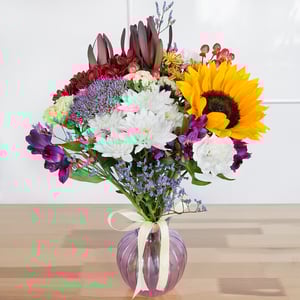
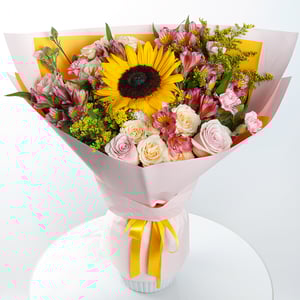
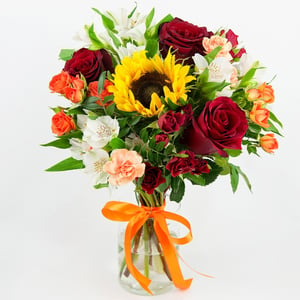
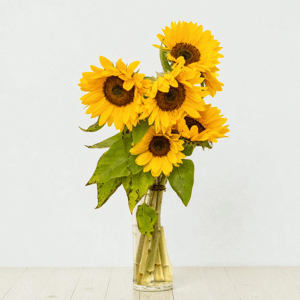
When you want gorgeous flowers without the danger, consider proven non-toxic alternatives. Sunflowers, zinnias, snapdragons, and marigolds bring color without cardiac glycosides or urushiol lurking in the stems.


Your next step
Knowing which poison flowers grow near you changes everything. Print the seasonal bloom chart above. Tape it inside your garden shed. Share the Poison Control number — 1-800-222-1222 — with everyone in your household.
Which poison flower surprised you most on this list? And more importantly, have you checked your backyard lately?
Want to send something lovely today?
Pick a fresh bouquet and a local florist hand-delivers it, often the same day.