EUR
 GBP
 CAD
 AUD

 ✨Boss’s Day✨
 🍭Sweetest Day🍭
 Birthday
 Same Day
 Occasions
 Flowers
 Roses
 Plants
 Gifts
 International Flower Delivery
Balloon Flower Care & Growing Guide
- 🌸 Platycodon grandiflorus thrives in USDA Zones 3–8, blooms from June to August, and tolerates heat, cold, and neglect once its deep taproot settles in — usually by the second season.
- 🌱 Start balloon flower seeds indoors 6–8 weeks before the last frost, press them onto moist soil without covering (they need light to germinate), and expect sprouts in 14–21 days at 65–70 °F.
- 💧 Water deeply once a week, skip heavy fertilizer, and never transplant a mature plant — the thick taproot snaps easily and rarely recovers.
Platycodon grandiflorus rewards you with star-shaped blooms from June through August — and comes back year after year with almost zero fuss. The balloon flower plant belongs to the Campanulaceae family and stands as the only species in its genus, making it a true botanical one-of-a-kind. You'll find everything below: how to grow balloon flowers from seed, detailed balloon flower care tips for U.S. gardens, the cultural meaning behind the blooms, and even what the platycodon root does in traditional medicine. Whether you garden in Zone 3 or Zone 8, this perennial deserves a spot in your beds.
What makes the balloon flower plant special
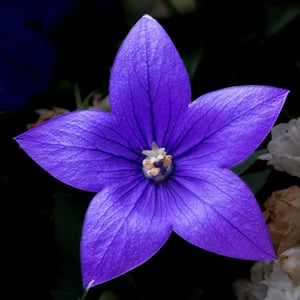
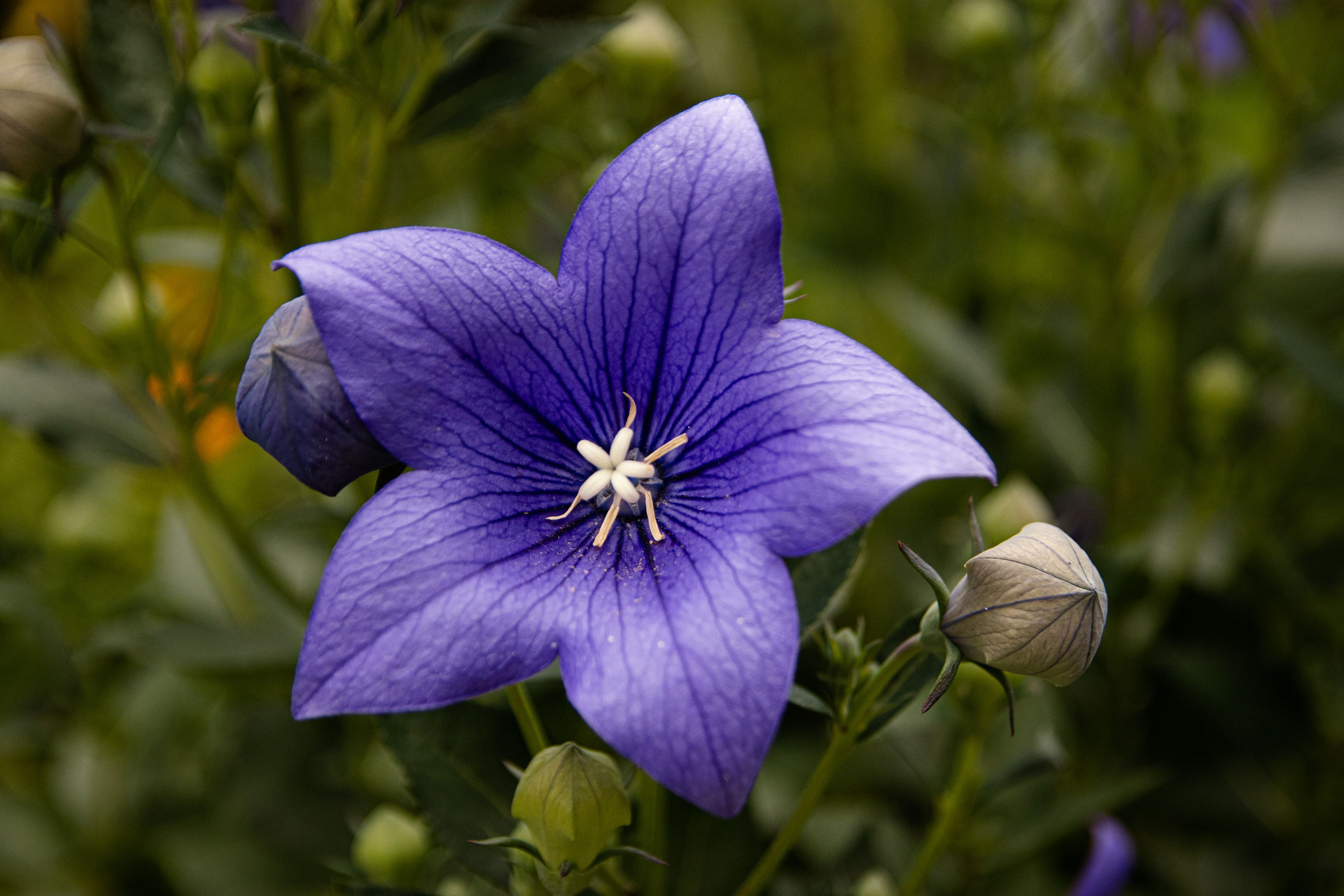
The balloon flower plant earns its common name from buds that puff into tiny, hollow globes before popping open into 5-petaled stars. Each bloom measures 2–3 inches across. Native to East Asia — China, Korea, Japan, and parts of eastern Siberia — Platycodon grandiflorus arrived in Western gardens during the 1800s. Carl Peter Thunberg first described the species in 1784.
A single thick taproot anchors the plant. That taproot stores energy through winter and fuels new shoots every spring. Because Platycodon grandiflorus emerges late — often weeks after neighboring perennials — gardeners sometimes mistake it for dead. Mark the spot. Patience pays off.
Quick-reference profile
| Trait | Detail |
|---|---|
| Botanical name | Platycodon grandiflorus |
| Common names | Balloon flower, Chinese bellflower, Japanese bellflower |
| Family | Campanulaceae |
| USDA hardiness zones | 3–8 |
| Mature height | 12–30 inches (dwarf cultivars 6–10 inches) |
| Bloom period | June–August |
| Flower colors | Blue-violet, white, pink |
| Sun exposure | Full sun to part shade |
| Soil pH | 5.5–7.5 |
Balloon flower care: sun, soil, and water
Balloon flower care starts with the right location. Pick a spot that gets at least 6 hours of direct sunlight daily. In the Deep South — Zone 8, for example — afternoon shade prevents scorching. The plant handles morning sun plus dappled afternoon light just fine.
Soil preferences
Platycodon grandiflorus demands well-drained soil above all else. Heavy clay suffocates the taproot. Amend clay beds with 2–3 inches of coarse sand or perlite before planting. Loamy, slightly acidic to neutral soil (pH 5.5–7.5) gives the best results. The Missouri Botanical Garden rates drainage as the single most critical factor for this species.
Watering schedule
Water your balloon flower deeply once a week during the growing season. Soak the root zone with about 1 inch of water per session. Cut back in fall. By winter, rain alone usually suffices in most U.S. regions. Overwatering kills more Platycodon plants than drought ever does.
Feeding
Apply a balanced granular fertilizer (10-10-10) once in early spring. That's it. Too much nitrogen pushes floppy, leggy stems that fall over. Dwarf cultivars like 'Sentimental Blue' and 'Astra Blue' stay compact — around 6–10 inches tall — and rarely need staking even without fertilizer.





How to grow balloon flowers from seed
Balloon flower seeds give you the most plants for the least money. A packet of 200+ seeds typically costs $3–$5 at garden centers across the U.S.
Indoor sowing (recommended)
- Fill seed trays with moist, sterile seed-starting mix 6–8 weeks before your last expected frost date.
- Press balloon flower seeds gently onto the soil surface — do not cover them, because light triggers germination.
- Mist the surface with a spray bottle to keep moisture consistent.
- Set trays under grow lights or on a bright windowsill at 65–70 °F.
- Watch for sprouts in 14–21 days.
- Transplant seedlings outdoors after the last frost, spacing them 12–18 inches apart.
Direct outdoor sowing
Scatter balloon flower seeds on prepared garden soil in late spring once nighttime temperatures stay above 55 °F. Press lightly. Keep the bed moist until germination. Direct-sown plants may not bloom until their second year.
A critical seedling tip
Harden off indoor-grown seedlings over 7–10 days. Start with 2 hours of outdoor exposure, then add an hour each day. Sudden temperature swings shock young Platycodon and stunt growth for weeks.
Balloon flower as a perennial: what to expect year after year
The balloon flower perennial strengthens with age. First-year plants produce modest foliage and maybe a handful of blooms. By year two, the taproot deepens, and flower counts double or triple. Established clumps can live 10+ years without dividing.
Seasonal timeline for U.S. gardeners
- Late April–May: New shoots emerge (they look like tiny blue-green asparagus tips).
- June: Buds inflate into puffy balloons.
- July–August: Peak bloom period; deadhead spent flowers to encourage new buds.
- September: Seed pods ripen; harvest seeds now or let them self-sow.
- October–November: Foliage turns golden-yellow, then dies back to the ground.
- Winter: The taproot rests underground; no mulch needed in Zones 5–8, add 2–3 inches of straw mulch in Zones 3–4.
Late emergence warning
Platycodon grandiflorus often stays dormant until late April or early May — well after daffodils, hostas, and other early risers appear. Gardeners frequently dig up the "empty" spot and destroy the root. Avoid this mistake. Push a plant marker into the soil every fall so you remember where your balloon flower sleeps.
Popular balloon flower cultivars for U.S. gardens
Not every Platycodon looks the same. Breeders have developed cultivars that vary in height, color, and bloom form.
| Cultivar | Height | Flower color | Notable trait |
|---|---|---|---|
| 'Fuji Blue' | 24–30 inches | Deep violet-blue | Classic, tall variety |
| 'Fuji White' | 24–30 inches | Pure white | Elegant border accent |
| 'Sentimental Blue' | 6–8 inches | Clear blue | Dwarf; great for containers |
| 'Astra Blue' | 8–10 inches | Dark blue | Semi-double blooms; compact habit |
| 'Astra Pink' | 8–10 inches | Soft pink | Unusual color for this species |
| 'Komachi' | 18–24 inches | Blue-violet | Buds stay balloon-shaped; never fully open |
White Flower Farm offers 'Astra Blue' as a container-friendly option with 3-inch blooms. 'Komachi' stands out because its buds remain sealed — a permanent balloon effect.
Platycodon root: culinary and medicinal uses
The platycodon root (called doraji in Korean and jiegeng in Chinese) has served East Asian cultures for centuries.
In the kitchen
Korean cuisine uses platycodon root in salads, stir-fries, and pickled side dishes (banchan). Cooks peel the bitter outer skin, split the root lengthwise, then soak it in salted water for several hours. The prepared root has a crunchy, slightly chewy texture. Doraji namul — seasoned bellflower root — appears at traditional celebrations like Lunar New Year and Chuseok.
In traditional medicine
Traditional Chinese Medicine practitioners prescribe jiegeng to support respiratory health. The root contains platycodin D, a saponin compound that researchers at Seoul National University have studied for its anti-inflammatory properties. Clinical studies remain limited, so always consult a healthcare provider before using platycodon root medicinally.
One important note: ornamental garden varieties sold in U.S. nurseries come bred for flowers, not roots. Source culinary-grade doraji from Asian grocery stores or specialty herb suppliers.
Looking for flower arrangements?
Browse flower arrangements from local florists and pick one that suits the moment.
Balloon flower meaning and symbolism
Balloon flower meaning varies across cultures, yet the common threads are affection, honesty, and devotion.
East Asian symbolism
In Korea, the balloon flower (doraji) symbolizes unchanging love and loyalty. A famous Korean folk song called "Doraji" celebrates the flower as a metaphor for longing and faithfulness. Japanese heraldry features the balloon flower crest (kikyō mon) — the Akechi and Toki clans used this design for centuries. The five-pointed bloom represents the five Confucian virtues in several Asian traditions.
Victorian and Western meanings
Victorian flower language (floriography) assigns balloon flowers the meaning of "endless love" and "obedience." Western gardeners also associate the bloom with returning affection, a fitting interpretation given the plant's habit of faithfully returning each spring.
When to give balloon flowers
- Anniversaries: The loyalty symbolism fits perfectly.
- Housewarming gifts: A potted dwarf cultivar makes a lasting, easy-care present.
- Get-well gestures: The respiratory associations in Asian medicine add a thoughtful layer.
- Memorial Day or remembrance: White cultivars carry a tone of reverence.
Common mistakes and how to avoid them
Even experienced gardeners trip up with Platycodon grandiflorus. Here are the five most frequent errors.
Mistake 1: transplanting mature plants
The thick taproot snaps when disturbed. A broken taproot rarely regenerates. Choose your planting spot carefully — balloon flowers do not like moving day.
Mistake 2: overwatering in winter
Soggy winter soil rots the root. Cut watering completely once the plant goes dormant. Good drainage handles the rest.
Mistake 3: cutting back too early in fall
Wait until foliage turns completely brown before trimming stems to 2 inches above the ground. The leaves channel nutrients back into the root until the very end.
Mistake 4: forgetting to deadhead
Spent blooms divert energy into seed production. Pinch or snip faded flowers every few days during peak bloom to extend the display by 2–3 weeks.
Mistake 5: planting in deep shade
Platycodon tolerates part shade. Full shade produces weak stems and few blooms. Aim for 6 hours of sun minimum.
Balloon flower care through the seasons
Spring (March–May)
Watch for new shoots starting in late April. Apply a thin layer of compost — about half an inch — around emerging shoots. Set plant stakes early for tall cultivars like 'Fuji Blue.'
Summer (June–August)
Deadhead regularly. Water once a week unless rainfall exceeds 1 inch. Monitor for slugs in humid climates — scatter iron phosphate bait granules around the base.
Fall (September–November)
Harvest seeds from dried pods for next year's planting. Allow foliage to yellow and wither naturally. Cut stems to 2 inches after the first hard frost.
Winter (December–February)
Balloon flowers need no winter protection in Zones 5–8. In Zones 3–4, spread 2–3 inches of straw mulch over the root zone after the ground freezes. Remove mulch in early spring.
Companion planting ideas
Platycodon grandiflorus pairs well with perennials that share similar sun and water needs. Good neighbors include:
- Echinacea purpurea (purple coneflower) — blooms at the same time, attracts pollinators.
- Coreopsis verticillata (threadleaf coreopsis) — adds yellow contrast to blue balloon flowers.
- Salvia nemorosa (woodland sage) — creates a layered texture at similar heights.
- Nepeta (catmint) — fills the foreground while Platycodon anchors the mid-border.
- Hemerocallis (daylily) — overlapping bloom windows keep color continuous from June through September.
Avoid planting next to aggressive spreaders like Monarda (bee balm) or mint. Fast-growing neighbors crowd out the slow-to-emerge balloon flower.

Pests and diseases
Good news: Platycodon grandiflorus faces very few pest problems. Deer and rabbits typically leave the foliage alone. Slugs and snails occasionally chew young shoots in spring — especially in Pacific Northwest gardens where humidity runs high.
Crown rot poses the biggest disease threat. It develops when water pools around the base of the stem. Improve drainage, space plants 12–18 inches apart for air circulation, and avoid overhead watering.
Root rot follows the same pattern — too much moisture around the taproot. Raised beds solve drainage issues in areas with heavy clay, like parts of the Midwest.
Japanese beetles sometimes nibble the flowers in Zone 5–7 gardens during July. Hand-pick beetles in the early morning when they move slowly.
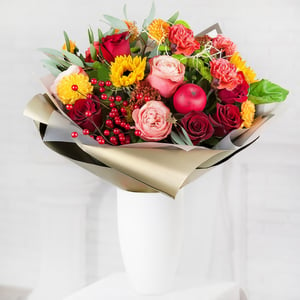
Your next step with Platycodon grandiflorus
Growing Platycodon grandiflorus takes a little patience — mostly during that nerve-wracking wait for late spring shoots — but the payoff stretches across a decade or more of reliable summer color. The plant asks remarkably little: decent drainage, moderate water, a sunny spot. Pick a permanent location, press some balloon flower seeds into moist soil this spring, and let the taproot do the heavy lifting from there. Which cultivar catches your eye — the classic 'Fuji Blue,' the compact 'Astra Blue,' or the never-opening mystery of 'Komachi'?
Send flowers today
Choose a bouquet, add a message, and a local florist hand-delivers it.