 EUR
EUR
 GBP
GBP
 CAD
CAD
 AUD
AUD

 ✨Boss’s Day✨
 Birthday
 Occasions
 Same Day
 Flowers
 Roses
Roses
 Plants
 Gifts
Gifts
 International Flower Delivery
Best Indoor Plants for Air Quality
- 🌿 The best indoor plants for air quality — spider plants, snake plants, peace lilies, and pothos — absorb volatile organic compounds (VOCs) that off-gas from furniture, paint, and household cleaners.
- 🪴 Place at least 1 plant per 100 square feet of living space and match each species to your light conditions, from bright south-facing windows to dim hallways.
- 🧪 Plants complement but do not replace mechanical ventilation; pair them with open windows or HEPA filters for the cleanest indoor air.
The air inside your home holds 2 to 5 times more pollutants than the air outside, according to the EPA. That stat alone makes choosing the best indoor plants for air quality worth your Saturday afternoon. NASA's 1989 Clean Air Study tested 50 houseplants and found that a dozen species actively scrub formaldehyde, benzene, and trichloroethylene from sealed chambers — chemicals hiding in your paint, furniture, and cleaning products right now. You'll walk away from this guide knowing which plants actually filter toxins, which ones thrive in zero sunlight, and which ones you can practically ignore and still keep alive.
How indoor plants purify the air you breathe
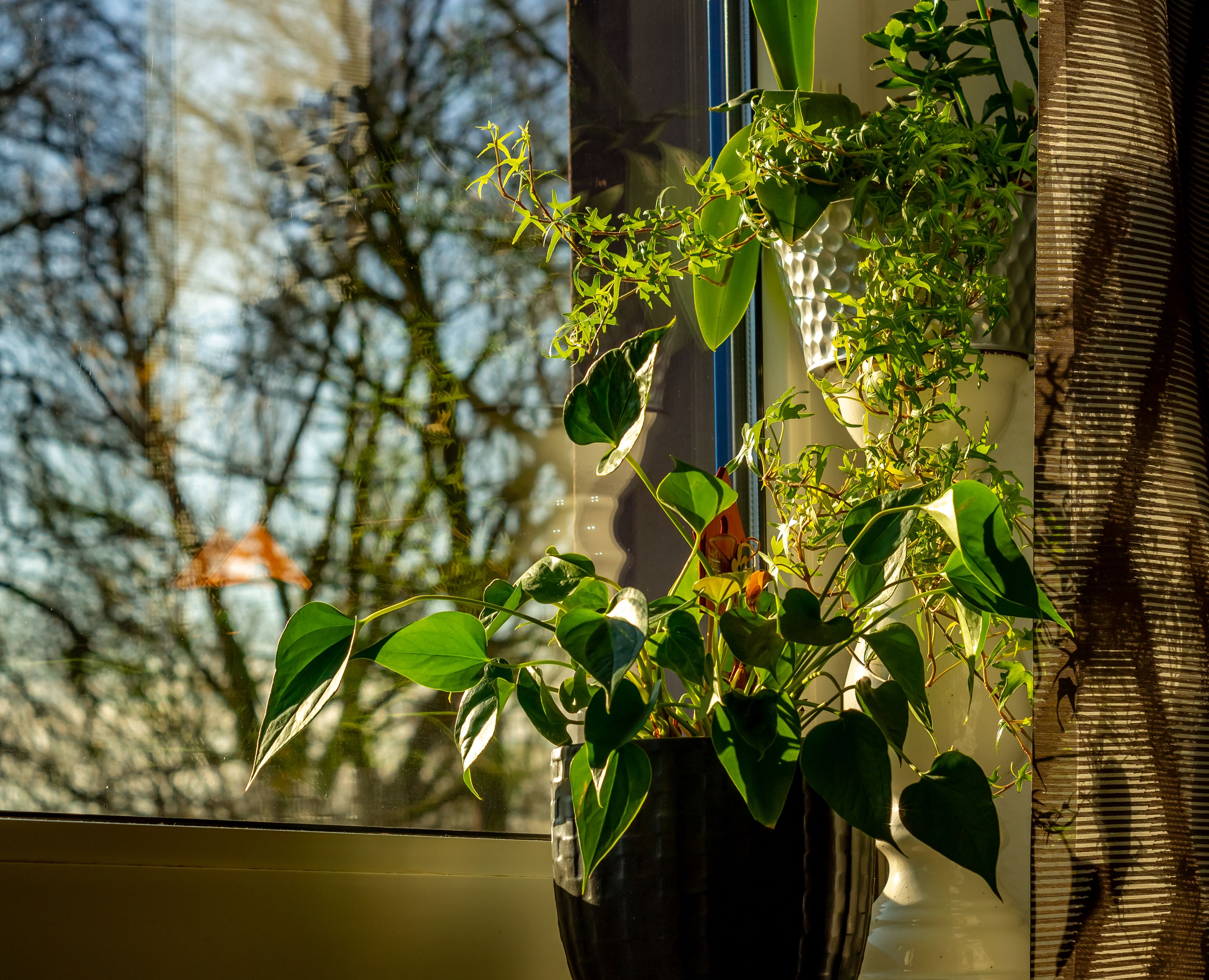
The best indoor plants for air purification work through a process called phytoremediation. Leaves absorb gaseous pollutants through tiny pores called stomata. Root-zone microbes then break down those compounds into harmless byproducts.
NASA researcher Dr. B.C. Wolverton published his landmark study in 1989 after testing plants inside sealed Plexiglas chambers. A single spider plant removed 95% of formaldehyde from a closed container within 24 hours. A golden pothos eliminated 73% of benzene in the same timeframe.
Here's the catch. Your living room isn't a sealed space station module. A 2019 study from Drexel University calculated that you'd need roughly 10 plants per square foot to match a mechanical air purifier's output. Does that mean plants are useless? Not at all. Plants reduce VOC concentrations gradually, boost humidity by 5–10%, and release oxygen — all real, measurable benefits. They just work best alongside good ventilation.
12 best indoor house plants that filter toxins
Below are the best air-purifying indoor plants, grouped by their standout strength. Each entry includes the specific pollutants the plant targets, its light needs, and its care level.
Spider plant (Chlorophytum comosum)
Spider plants rank among the best indoor plants for beginners because they tolerate neglect like champions. NASA's study showed spider plants remove formaldehyde and xylene.
- Light: Bright, indirect — but survives low light
- Water: Every 7–10 days; let soil dry between waterings
- Mature size: 12–15 inches tall, up to 24 inches with trailing babies
- Bonus: Non-toxic to dogs and cats (ASPCA verified)
Spider plants produce "pups" — small offshoots you can snip and root in water within 2 weeks. Honestly, you'll have more spider plants than you know what to do with by year two.
Snake plant (Sansevieria trifasciata)
The snake plant earns a spot among the best indoor plants for oxygen because it performs CAM photosynthesis — converting CO₂ to O₂ at night. Most plants only do that during daylight hours.
- Light: Low to bright indirect
- Water: Every 2–3 weeks; overwatering kills snake plants faster than anything
- Mature size: 24–48 inches tall
- Targets: Formaldehyde, benzene, trichloroethylene, xylene
Place one in your bedroom. The nighttime oxygen output supports better sleep, and the plant's upright shape fits neatly on a nightstand.
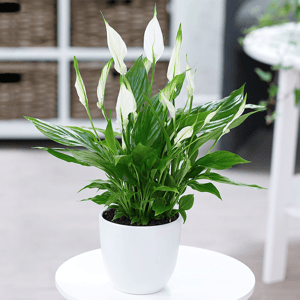
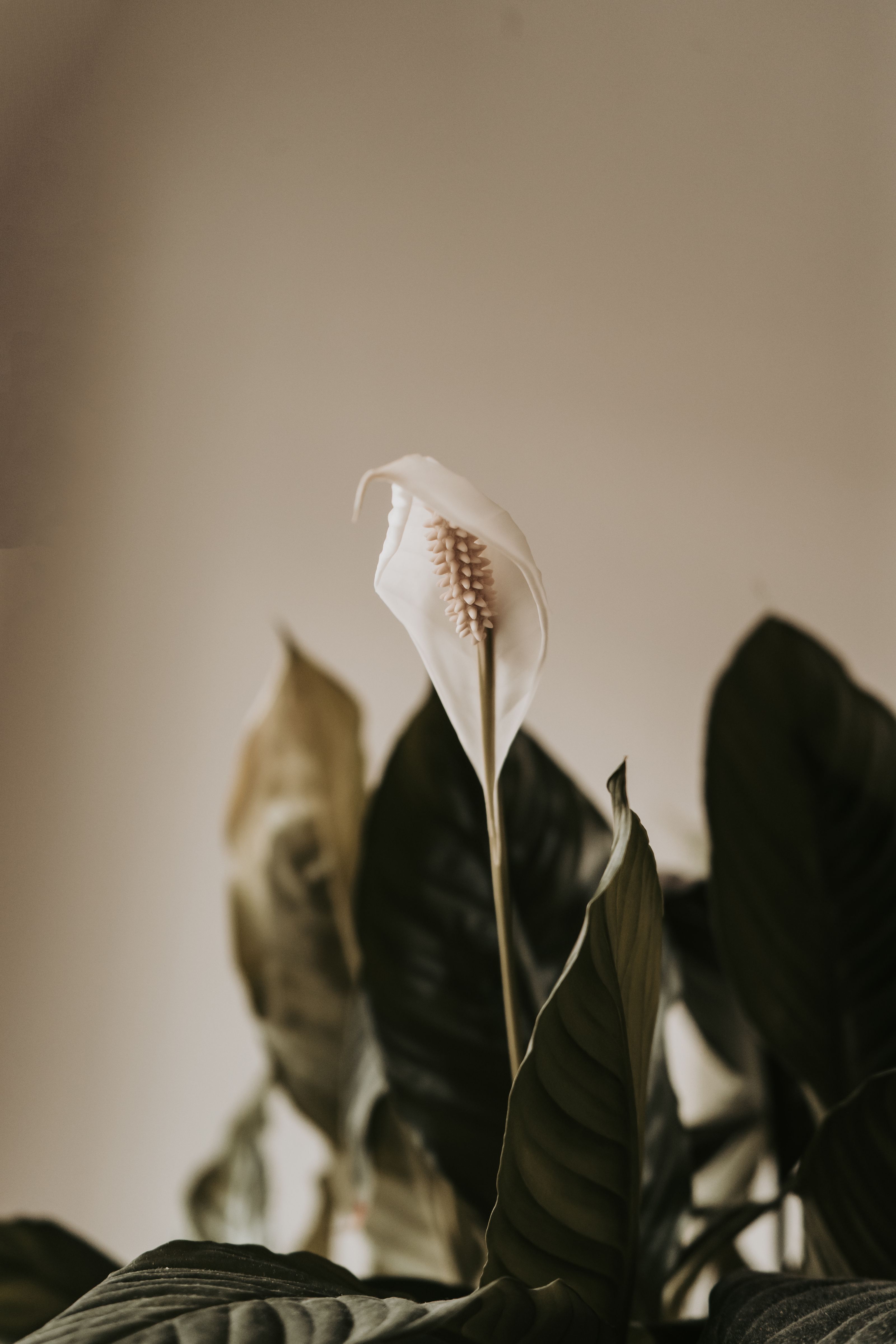
Peace lily (Spathiphyllum)
Peace lilies are among the best indoor flowering plants that also purify air. NASA found that peace lilies remove benzene, formaldehyde, trichloroethylene, ammonia, and xylene — one of the broadest filtration profiles of any houseplant.
- Light: Low to medium indirect
- Water: Weekly; drooping leaves signal thirst (they bounce back within hours)
- Mature size: 16–24 inches for compact varieties, up to 4 feet for 'Sensation'
- Warning: Toxic to pets if ingested — keep on high shelves
Their white spathes bloom 2–3 times per year, sometimes more in bright conditions.
Golden pothos (Epipremnum aureum)
Golden pothos tops nearly every list of best indoor hanging plants. Drape the vines over a shelf or hang the pot from a ceiling hook, and those trailing stems will grow 6–10 feet indoors.
- Light: Low to bright indirect
- Water: Every 7–14 days
- Targets: Formaldehyde, benzene, xylene
- Care level: Almost impossible to kill
Cut a 6-inch stem below a node, drop it in water, and roots appear within 10 days. That's all it takes to propagate.
Boston fern (Nephrolepis exaltata)
Boston ferns act as natural humidifiers. A single mature fern releases roughly 1 liter of water vapor per day through transpiration. These ferns rank among the best indoor hanging plants and the best indoor plants for health because they actively increase room humidity to 40–60% — the range recommended by the American Society of Heating, Refrigerating, and Air-Conditioning Engineers (ASHRAE).
- Light: Bright indirect; no direct sun
- Water: Keep soil consistently moist; mist fronds 2–3 times per week
- Mature size: 2–3 feet wide with arching fronds
- Targets: Formaldehyde, xylene
Boston ferns need more attention than pothos or snake plants. Expect some brown fronds during dry winter months when forced-air heating drops indoor humidity below 30%.
Bamboo palm (Chamaedorea seifrizii)
Looking for the best large indoor plants that also clean the air? Bamboo palms grow 4–12 feet tall indoors and filter formaldehyde, benzene, and trichloroethylene. Dr. Wolverton ranked the bamboo palm as one of the top 3 plants for removing formaldehyde from indoor air.
- Light: Bright indirect to partial shade
- Water: When the top inch of soil feels dry
- Mature size: 4–12 feet tall, 3–5 feet wide
- Pet-safe: Yes (ASPCA listed)
Bamboo palms work especially well in living rooms with 8-foot or higher ceilings. The broad fronds give a tropical look while scrubbing the air quietly in the background.
Rubber plant (Ficus elastica)
Rubber plants are among the best tall indoor plants for apartments with big windows. Their broad, dark-green leaves absorb formaldehyde efficiently. A mature rubber plant reaches 6–10 feet indoors.
- Light: Bright indirect (tolerates some morning direct sun)
- Water: Every 10–14 days
- Targets: Formaldehyde
- Note: Mildly toxic to pets — sap causes skin irritation
Wipe down the leaves with a damp cloth every 2 weeks. Dust clogs the stomata and reduces the plant's air-filtering capacity.
English ivy (Hedera helix)
English ivy excels at absorbing airborne mold spores. A 2005 study published in the Annals of Allergy, Asthma & Immunology found that English ivy reduced airborne mold by 78% within 12 hours in a controlled environment.
- Light: Bright indirect to partial shade
- Water: When top half-inch of soil dries out
- Mature size: Vines trail 6–8 feet indoors
- Warning: Toxic to cats, dogs, and children if ingested
Grow English ivy in a hanging basket near a bathroom window. The plant loves the humidity, and bathrooms tend to harbor more mold spores than other rooms.
Dracaena (Dracaena spp.)
The Dracaena genus includes over 40 species, and NASA tested several of them. Dracaena marginata (dragon tree) targets benzene, formaldehyde, and trichloroethylene. Dracaena fragrans (corn plant) handles the same trio plus xylene.
- Light: Low to bright indirect
- Water: Every 10–14 days
- Mature size: 3–6 feet (marginata) or 4–6 feet (fragrans)
- Toxic to pets: Yes
Dracaenas are among the best indoor plants for dark rooms. A north-facing window or a spot 8–10 feet from a south-facing window gives enough light.
Areca palm (Dypsis lutescens)
The areca palm landed on Dr. Wolverton's top-rated list for overall air purification. Areca palms release generous amounts of moisture vapor and filter xylene and toluene. A 6-foot areca palm transpires roughly 1 quart of water every 24 hours.
- Light: Bright indirect
- Water: Twice a week during summer, weekly in winter
- Mature size: 6–8 feet tall indoors
- Pet-safe: Yes
Fair warning — areca palms need more water than most houseplants. Self-watering pots help (more on those below).
Chinese evergreen (Aglaonema)
Chinese evergreens rank high among the best low-maintenance indoor plants. They tolerate low light, irregular watering, and dry air — three conditions that kill most tropicals.
- Light: Low to moderate indirect
- Water: Every 7–10 days
- Targets: Formaldehyde, benzene
- Mature size: 1–3 feet
The variegated cultivars ('Silver Bay,' 'Red Valentine') add color to dim corners without requiring a grow light.
Gerbera daisy (Gerbera jamesonii)
Gerbera daisies stand out among the best indoor flowering plants for their unusual trick: these flowers release oxygen at night, similar to snake plants. NASA's study placed gerberas among the top performers for removing benzene and trichloroethylene.
- Light: Bright direct — at least 6 hours daily
- Water: When the top inch of soil dries out
- Mature size: 10–18 inches
- Blooms: Spring through fall in red, orange, yellow, pink, and white
Gerbera daisies demand more sunlight than any other plant on this list. A south-facing window works best. Without 6+ hours of light, the plant stops flowering.
Best indoor plants for dark rooms
Not every room gets good light. North-facing apartments, basement offices, and interior bathrooms present a real challenge. These 4 species handle low light without drooping or dying:
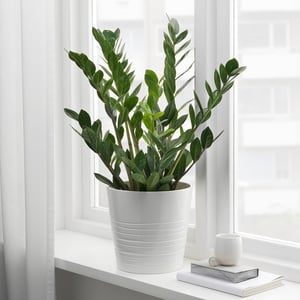
- ZZ plant (Zamioculcas zamiifolia): Survives on fluorescent lighting alone; water every 2–3 weeks
- Cast iron plant (Aspidistra elatior): Named for toughness; handles temperature swings from 45°F to 85°F
- Parlor palm (Chamaedorea elegans): Grows 2–4 feet tall in consistent low light; pet-safe
- Philodendron heartleaf (Philodendron hederaceum): Trails or climbs in near-dark rooms; filters formaldehyde
The ZZ plant deserves special mention. It stores water in thick rhizomes below the soil. You can forget about it for 3 weeks straight, and the glossy leaves still look fresh.
Best indoor hanging plants for air purification
Hanging plants lift your greenery off countertops and tables. They also position foliage closer to ceiling height, where warm air and VOCs tend to accumulate. These 4 species thrive in hanging baskets:
- Golden pothos: Trails 6–10 feet; removes formaldehyde and benzene
- Boston fern: Arching fronds span 2–3 feet; boosts humidity
- English ivy: Dense growth covers basket quickly; reduces airborne mold
- Spider plant: Produces dangling pups; non-toxic to pets
Use macramé hangers or simple ceiling hooks rated for at least 15 pounds. A fully watered Boston fern in a 10-inch basket weighs around 12 pounds.
Looking for a plant that cleans the air?
Browse potted plants delivered by local florists and pick one that suits the room and the light.
Best self-watering pots for indoor plants
Self-watering pots use a reservoir system. The pot holds water beneath the soil, and a wick or capillary mat draws moisture upward as the roots need it. This setup works especially well for areca palms, peace lilies, and Boston ferns — species that prefer consistently moist soil.
Here's what to look for when buying:
- Reservoir capacity: Choose pots that hold at least 2 cups of water for 6-inch plants and 1 quart for 10-inch plants
- Water-level indicator: A visible gauge or window saves you from guessing
- Drainage option: Pick pots with a drain plug so you can switch between self-watering and traditional modes
- Material: Plastic reservoirs work best; terracotta wicks moisture away from the reservoir
Prices typically range from $12 to $35 for a quality self-watering pot. Lechuza, Mkono, and Gardenix Decor all make popular models available on Amazon. Refill the reservoir every 7–14 days depending on temperature and plant size.
One important note: do not use self-watering pots for succulents, snake plants, or ZZ plants. These species need their soil to dry out completely between waterings. A constant moisture supply causes root rot within weeks.
Common care mistakes that kill air-purifying plants
Even the best low-maintenance indoor plants die when you repeat the same 5 mistakes:
- ✗Overwatering: More houseplants die from too much water than too little. Check the soil with your finger before you pour.
- ✗Placing plants near HVAC vents: Forced-air heating and cooling creates hot or cold drafts that shock tropical foliage. Keep plants at least 3 feet from vents.
- ✗Skipping the drainage holes: Pots without drainage trap water at the bottom. Roots sit in standing water and rot.
- ✗Using tap water with high chlorine: Some municipalities add over 2 ppm of chlorine to tap water. Let tap water sit in an open container for 24 hours before watering to off-gas the chlorine.
- ✗Ignoring dust buildup: Dust on leaves blocks stomata. Wipe broad-leafed plants every 2 weeks and shower ferns monthly under a gentle stream.
Pollutants your plants help remove
Knowing which chemicals your plants target helps you pick the right species for each room. Here's a quick reference:
| Pollutant | Common sources | Best plants to remove it |
|---|---|---|
| Formaldehyde | Pressed wood, insulation, carpet adhesives | Spider plant, Boston fern, bamboo palm |
| Benzene | Paints, detergents, tobacco smoke | Peace lily, English ivy, gerbera daisy |
| Trichloroethylene | Dry-cleaning fluids, adhesives, varnishes | Snake plant, dracaena, peace lily |
| Xylene | Markers, paint thinners, rubber cement | Areca palm, rubber plant, dracaena |
| Ammonia | Cleaning products, fertilizers | Peace lily, bamboo palm |
| Airborne mold | Bathrooms, basements, kitchens | English ivy |
New furniture and fresh paint release the highest concentrations of VOCs during the first 6–12 months. Add extra plants to rooms with recent renovations.
Plants vs. air purifiers: do you need both?
Plants improve air quality gradually. They're quiet. They cost $5–$30 each. They produce oxygen and moisture as side benefits. But plants work slowly.
A HEPA air purifier processes 100–300 cubic feet of air per minute. A single peace lily filters just a few cubic inches per hour under normal conditions.
The practical answer? Use both. Place 1 air-purifying plant per 100 square feet of living space and run a HEPA filter in rooms with poor ventilation, new carpet, or heavy cooking odors. The plants handle long-term, low-level VOC absorption. The filter tackles particulate matter like dust, pollen, and pet dander — pollutants that plants cannot trap.
Health benefits beyond clean air
The best indoor plants for health do more than scrub chemicals. Research from multiple institutions backs up these benefits:
- Stress reduction: A 2015 study in the Journal of Physiological Anthropology found that interacting with indoor plants lowered cortisol levels and blood pressure in participants within 15 minutes.
- Humidity regulation: Plants that transpire actively — Boston ferns, areca palms — raise ambient humidity. The American Academy of Allergy, Asthma & Immunology recommends 40–50% indoor humidity to reduce respiratory irritation.
- Productivity boost: A University of Exeter study found that employees with plants in their workspace showed a 15% increase in productivity compared to colleagues in bare offices.
- Faster recovery: Dr. Roger Ulrich's research at Texas A&M University showed that hospital patients with plants in their rooms requested 30% fewer pain medications than patients in plant-free rooms.
These effects don't require a jungle. Two to three plants in a bedroom or home office deliver noticeable results within a week.
Seasonal care tips for U.S. climates
Your plants experience the seasons too — even indoors. Climate varies widely across the U.S., so adjust your routine:
Winter (December–February):
- Reduce watering frequency by 30–50% for most plants
- Move plants away from cold window drafts — glass surfaces drop to 40°F in northern states
- Run a humidifier or group plants together to maintain 40%+ humidity when forced-air heating dries the air
Summer (June–August):
- Increase watering for thirsty species like Boston ferns and areca palms
- Shift plants out of direct afternoon sun — south- and west-facing windows in states like Arizona, Texas, and Florida can scorch foliage
- Watch for spider mites; dry indoor air and heat encourage mite infestations
Spring and fall:
- Fertilize monthly with a balanced liquid fertilizer (10-10-10 or 20-20-20) diluted to half strength
- Repot rootbound plants into containers 1–2 inches wider than the current pot
- Move plants to brighter spots as daylight hours shift
Picking the right plant for your situation
Consider these variables before you buy:
- Light availability. Measure with a free smartphone lux meter app. Readings below 50 lux = low light. Between 50 and 250 lux = medium. Above 250 lux = bright indirect.
- Your schedule. Travel often? Grab a snake plant or ZZ plant. Home every day? A Boston fern or gerbera daisy rewards daily attention.
- Pets and children. Spider plants, areca palms, parlor palms, and Boston ferns carry no toxicity risk. Peace lilies, English ivy, and dracaenas contain compounds that cause oral irritation and nausea in pets.
- Room size. The best large indoor plants — bamboo palms, rubber plants, areca palms — anchor open-plan living rooms. Smaller spaces do better with compact species like Chinese evergreens or 6-inch pothos in hanging pots.
So which plant will you try first? Start with one. A $10 spider plant or a $15 pothos from your local nursery gives you a real, working air filter that also happens to look good on your shelf. Give the plant decent light, water when the soil dries, and watch it grow. You'll probably end up with 5 more within a year — most people do.
Send a living gift
Choose a potted plant, add your message, and let a local florist deliver it to the door.
FAQ
How many plants do I need to improve air quality in a room?▾
Aim for at least 1 medium-sized plant per 100 square feet. A 200-square-foot bedroom benefits from 2–3 plants. NASA's original study used a much higher density (1 plant per 10 square feet), but that was inside sealed chambers, not real homes.
Which indoor plant produces the most oxygen?▾
The areca palm and snake plant rank among the highest oxygen producers per leaf surface area. The snake plant also produces oxygen at night, making it a strong choice for bedrooms.
Are air-purifying plants safe for cats and dogs?▾
Spider plants, Boston ferns, areca palms, parlor palms, and bamboo palms carry no known toxicity for dogs or cats according to the ASPCA. Avoid peace lilies, English ivy, and dracaenas around pets.
Do indoor plants remove carbon dioxide?▾
Yes. During photosynthesis, plants absorb CO₂ and release O₂. A single mature snake plant absorbs roughly 0.49 grams of CO₂ per hour during active photosynthesis. You'd need dozens of plants to make a measurable dent in a room's CO₂ levels, but every bit helps — especially in well-sealed modern homes.
What's the easiest air-purifying plant for a complete beginner?▾
Golden pothos. Water it every 1–2 weeks, place it in any light from dim to bright, and it grows fast. You can propagate pothos from stem cuttings in plain water, so one $8 plant quickly becomes five.
Do self-watering pots work for all houseplants?▾
No. Self-watering pots work best for moisture-loving species like peace lilies, areca palms, and Boston ferns. Avoid self-watering pots for snake plants, ZZ plants, and succulents — these species need dry periods between waterings to prevent root rot.