 EUR
EUR
 GBP
GBP
 CAD
CAD
 AUD
AUD

 🎃Halloween🎃
 Birthday
 Occasions
 Same Day
 Flowers
 Roses
Roses
 Plants
 Gifts
Gifts
 International Flower Delivery
Alabama's State Flower: Camellia
The Alabama state flower is the kind of bloom that catches you completely off guard. Picture this: you're driving through Mobile or Montgomery in the dead of January, and while most of the country sits under a gray, leafless sky, Alabama's gardens explode with lush, rose-like blooms in red, pink, and white. Those are camellias — and they've held the title of official state flower since 1959. MyGlobalFlowers, an international flower delivery service, celebrates blooms like these by connecting people with local florists who hand-deliver fresh arrangements right to the door. In this article, you'll learn the full story behind Alabama's official bloom: why the camellia replaced the goldenrod, what makes the plant so special from a botanical standpoint, how to grow and care for one in your own yard, and how this flower weaves through Alabama culture to this day.
What is the Alabama state flower?
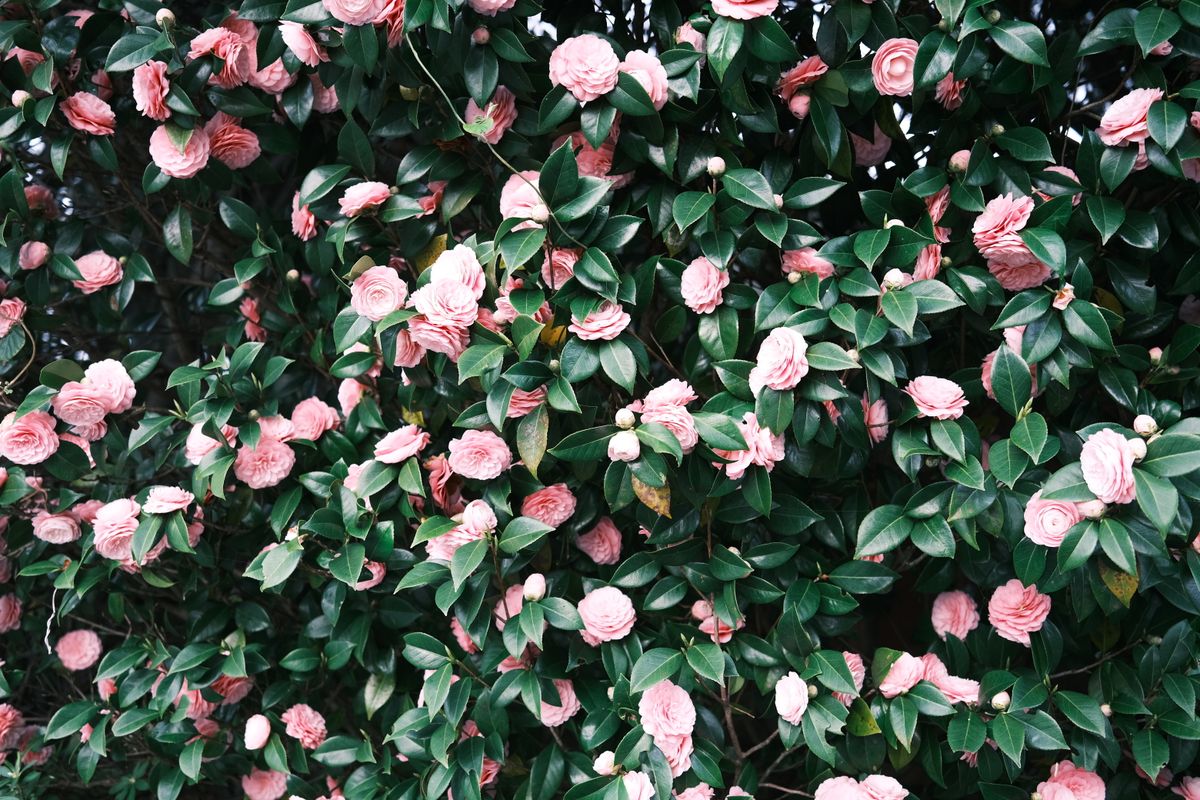
The Alabama state flower is the camellia (Camellia japonica L.) — an elegant, evergreen shrub that produces stunning, multi-petaled blooms in cooler months. Alabama's legislature designated the camellia as the official state flower in 1959, and the bloom has represented the state ever since.
Before the camellia, the goldenrod held the title. Alabama lawmakers named goldenrod the state flower of Alabama back in 1927. But over the following decades, public opinion shifted. Many residents saw goldenrod as little more than a roadside weed. Others blamed the plant for triggering allergies — though pollen from goldenrod is actually too heavy to travel far through the air. Still, the perception stuck. Meanwhile, camellias already thrived across Alabama gardens, from the Gulf Coast to the Piedmont Plateau. Garden clubs pushed hard for a change, and the camellia's beauty, elegance, and deep presence in Alabama life made the switch feel almost inevitable.
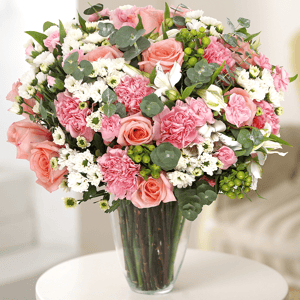
Inspired by the camellia? Send flowers today
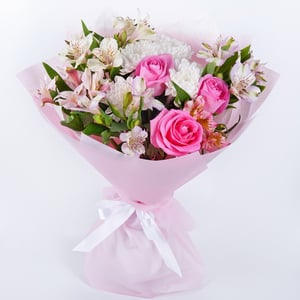
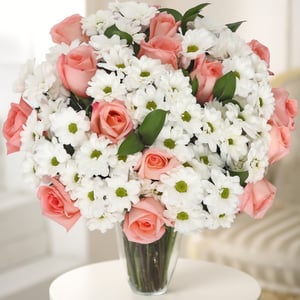
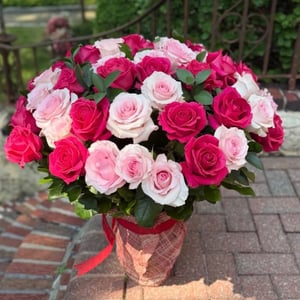
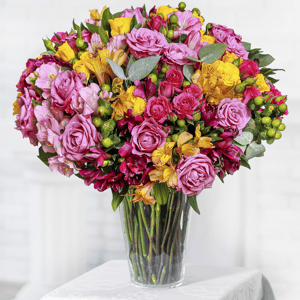
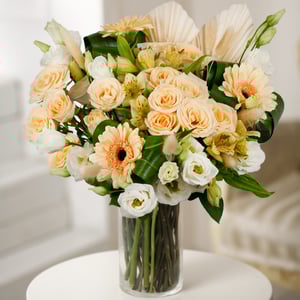
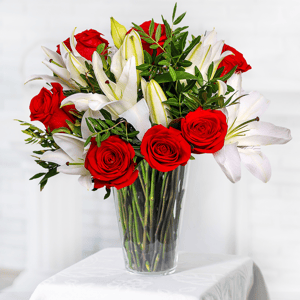
Browse bouquets in soft pink and white tones, hand-arranged by local florists across the US.
The history of the camellia as Alabama's state flower

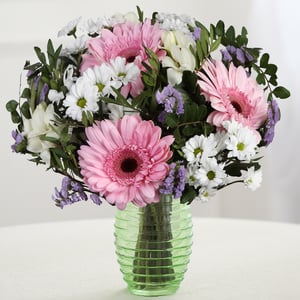
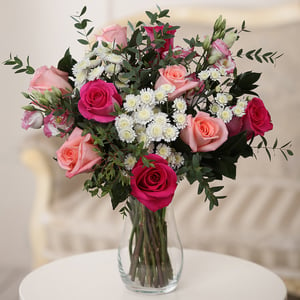
The Alabama state flower didn't arrive in the American South overnight. The camellia's journey from East Asia to Alabama gardens spans centuries and continents.
From East Asia to the American South
Camellias are native to China, Japan, and parts of Southeast Asia, where growers have cultivated them for well over 1,000 years. In East Asian cultures, people prized the plant both for its ornamental flowers and for its close relative, Camellia sinensis — the tea plant. European traders encountered camellias in the 1700s and brought specimens back to botanical gardens in England, Portugal, and France. The plant reached the American South by the early 1800s, and the warm, humid climate turned out to be nearly perfect for it.
By the mid-1800s, wealthy Alabamians grew camellias as prized ornamental showpieces. Plantation gardens along the coast featured dozens of varieties, and the flower quickly became a symbol of Southern grace and refined taste. I always find it fascinating that a flower native to the mountains of China and Japan found such a natural home in Alabama — the climate and acidic soils were practically made for it.
The 1959 legislative decision
Alabama lawmakers passed Act No. 246 in 1959, officially replacing goldenrod with the camellia as the state's floral emblem. The decision came after decades of lobbying by the Alabama Camellia Club, local garden societies, and everyday citizens who had grown tired of the goldenrod's weedy reputation.
The city of Greenville, Alabama, calls itself "The Camellia City" — a testament to just how deeply the flower's roots run in the state. By the time the legislature voted, camellias were already a fixture in yards, parks, and public gardens across Alabama. The law simply made official what most Alabamians already felt in their hearts.
Camellia facts — biology, varieties, and blooming season
The Alabama state flower is far more than a pretty face. Here's a closer look at what makes the camellia remarkable from a scientific and horticultural perspective.
Botanical profile
- Scientific name: Camellia japonica L.
- Family: Theaceae — the tea family. Yes, the camellia belongs to the same family as the plant that produces your morning cup of tea.
- Growth habit: Evergreen shrub or small tree, typically reaching 6–15 feet tall, though some mature specimens stretch to 25 feet.
- Foliage: Glossy, dark-green leaves that remain on the plant year-round, providing structure and color even when blooms are absent.
- Flower form: Single, semi-double, formal double, peony-form, or anemone-form, depending on the cultivar.
Popular camellia varieties in Alabama
Alabama gardeners grow dozens of camellia cultivars, but a handful stand out as all-time favorites:
- 'Professor Sargent' → Produces deep red, peony-form blooms that hold their color for weeks.
- 'Pink Perfection' → Displays soft pink, formal double flowers with perfectly symmetrical petals.
- 'Alba Plena' → Showcases pure white, formal double blooms that look almost sculpted from porcelain.
- 'Debutante' → Offers light pink, peony-form petals and blooms reliably even in colder parts of the state.
- 'Governor Mouton' → Features red-and-white marbled flowers that make each bloom look like a tiny work of art.
- 'Kramer's Supreme' → Delivers fragrant, large red blossoms — one of the few camellias with a noticeable scent.
When do camellias bloom?
Alabama camellias bloom from late fall through early spring — roughly October through March. Peak bloom hits December through February, giving Alabamians brilliant garden color when most plants across the country sit dormant under frost.
This unusual bloom window is honestly one of the key reasons the camellia won the title of state flower of Alabama. While goldenrod blooms alongside hundreds of other wildflowers in summer and fall, the camellia owns the winter garden almost entirely on its own. That kind of timing makes a statement.
Symbolism and meaning of the Alabama flower
The Alabama state flower carries layers of meaning that go well beyond its good looks. In the Victorian "language of flowers," the camellia symbolizes admiration, perfection, and longing. In Alabama specifically, the flower represents grace, resilience, and a deep connection to Southern heritage.
Different colors carry different messages:
- Red camellias → Express deep desire and passion.
- Pink camellias → Convey longing and the ache of missing someone.
- White camellias → Signal admiration, purity, and respect.
Here's the thing: if you want to send someone in Alabama a flower that carries real local significance, a camellia arrangement says "I know your roots." It's not just a generic bouquet — it's a nod to the state's identity, history, and natural beauty.
How to grow and care for camellias in Alabama
The Alabama state flower rewards patient gardeners with decades of breathtaking blooms. This section gives you everything you need to plant, grow, and maintain a healthy camellia — whether you're a first-timer or a seasoned green thumb.
Ideal growing conditions
Camellias prefer partial shade. Morning sun with afternoon shade works best across Alabama's USDA hardiness zones 7b–8b. Too much direct afternoon sun can scorch leaves and bleach flower petals, while too much shade reduces blooming.
Plant camellias in acidic, well-drained soil with a pH between 5.5 and 6.5. Alabama's naturally acidic clay soils give gardeners a head start here, but heavy clay still needs amending with organic matter to improve drainage. Space plants at least 5 feet apart to allow air circulation and prevent fungal issues like leaf spot and petal blight.
Step-by-step planting guide
- ✓Dig a hole twice the width of the root ball and the same depth.
- ✓Mix the native soil with compost and peat moss in a 50/50 ratio.
- ✓Set the root ball so the top sits 1–2 inches above the surrounding soil line.
- ✓Backfill gently and water deeply right after planting.
- ✓Spread a 3-inch layer of mulch — pine straw or shredded bark — around the base, keeping mulch 2 inches away from the trunk.
Seasonal care calendar
- ✓Spring (March–May): Prune dead or crossing branches right after the last blooms fade. Apply a slow-release, acid-forming fertilizer according to package directions.
- ✓Summer (June–August): Water deeply once a week during dry spells. Watch for tea scale insects on the undersides of leaves — treat with horticultural oil if you spot them.
- ✓Fall (September–November): Reduce fertilizer applications. Enjoy the first buds opening. Add a fresh layer of mulch before temperatures drop.
- ✓Winter (December–February): Protect young plants from hard freezes with burlap wraps when temperatures dip below 20 °F. Avoid overhead watering to reduce the risk of petal blight.
Common mistakes and how to avoid them
- ✗Planting too deep → Keep the root flare visible above the soil line to prevent crown rot.
- ✗Over-watering → Let the top 2 inches of soil dry out between waterings so roots don't sit in soggy ground.
- ✗Skipping mulch → Mulch insulates roots and retains moisture — always use it, especially in Alabama's hot summers.
- ✗Using alkaline fertilizer → Choose acid-specific formulas designed for camellias, azaleas, or gardenias.
- ✗Ignoring petal blight → Remove fallen petals promptly and avoid overhead irrigation to stop this fungal disease from spreading.
The camellia in Alabama's culture and celebrations
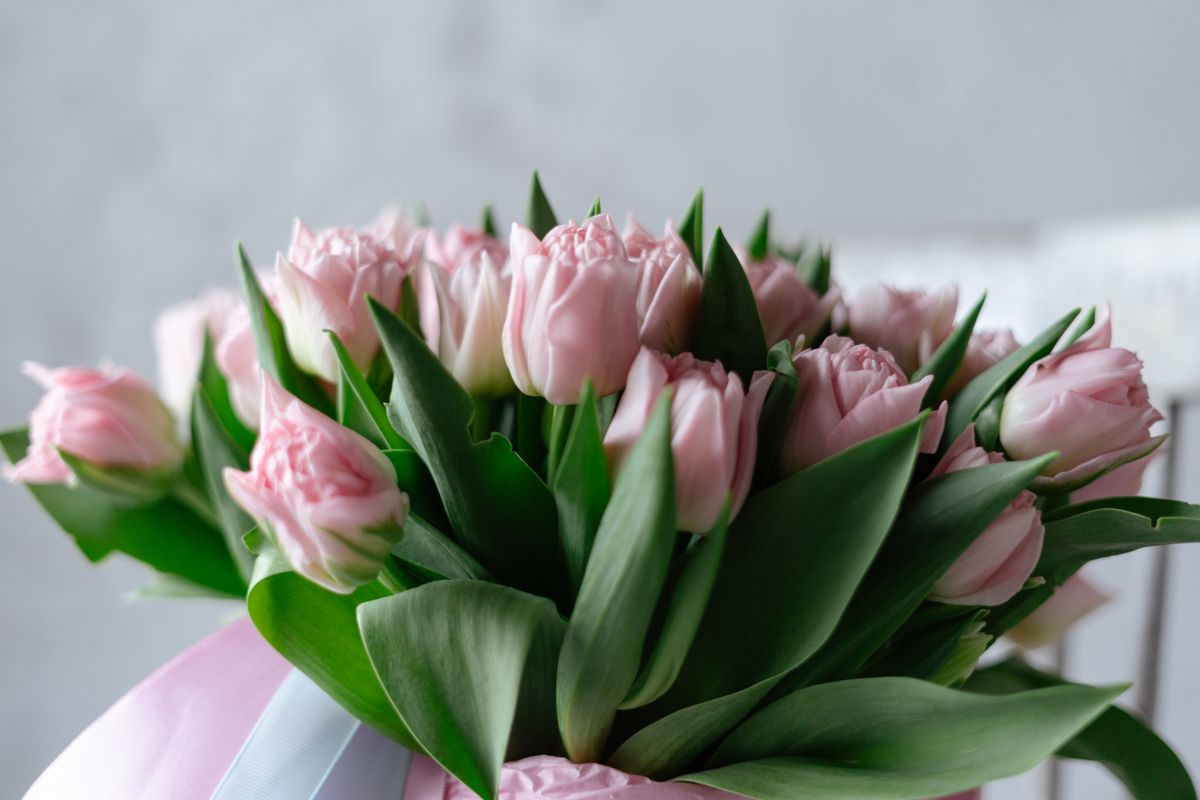
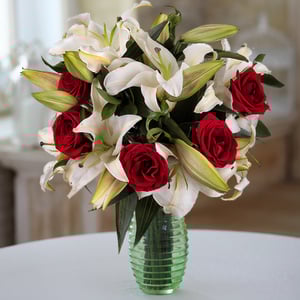
The Alabama state flower shows up in the state's cultural life far beyond private gardens. Greenville hosts an annual Camellia Festival — a community event featuring garden tours, parades, flower shows, and plenty of Southern food. The festival draws visitors from across the Southeast and puts a spotlight on the flower of Alabama in a way no other event does.
The American Camellia Society, headquartered in Fort Valley, Georgia — just next door — regularly features Alabama growers in its publications and competitions. Alabama gardeners consistently rank among the top exhibitors at national camellia shows.
Camellias also appear in Alabama art, handcrafted jewelry, and even the Smithsonian's collection. This is one of my favorite facts: a metal sculpture of the Alabama state flower camellia is housed at the Smithsonian, giving the bloom national recognition alongside other state symbols.
Many Alabama brides choose camellias for winter wedding bouquets. The blooms hold up remarkably well in cooler temperatures and photograph beautifully, making them a natural fit for ceremonies held between November and February.
Bring Alabama's state flower spirit home
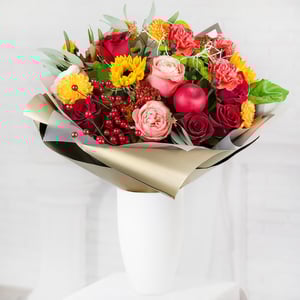
A fresh bouquet in soft pink tones, hand-arranged and delivered by a local florist today.
Sending flowers to Alabama — celebrate with the state bloom
The Alabama state flower inspires gift-giving just as much as it inspires gardening. If you want to surprise someone in Alabama with fresh flowers, MyGlobalFlowers connects you with local florists who hand-deliver arrangements right to the door. You place the order from anywhere in the US, and a local florist in Alabama prepares and delivers your bouquet — often the same day if you order before noon local time.
Local florists select the freshest seasonal blooms available. The final arrangement may vary slightly from the website photo because each florist uses whatever is at peak freshness that day. Think of this as a custom touch, not a limitation — your recipient receives the most vibrant flowers possible.
The delivery fee calculates individually at checkout based on the recipient's location.
Great occasions to send flowers to someone in Alabama:
- Valentine's Day (February 14) → Red camellias or roses show passion and deep affection.
- Mother's Day (second Sunday in May) → Pink camellias or mixed bouquets honor Mom with warmth and elegance.
- Thanksgiving (fourth Thursday in November) → Warm-toned arrangements bring fall charm to the holiday table.
- Birthdays and anniversaries → Ask for seasonal blooms that include camellias when they're in season (October–March).
- Sympathy and memorial → White camellias convey quiet admiration and respect during difficult times.
A bloom worth knowing
Honestly, few state flowers match the camellia's combination of elegance, winter hardiness, and deep cultural roots. The flower of Alabama doesn't just decorate gardens — the camellia anchors traditions, inspires celebrations, and gives the state a floral identity that feels genuinely earned. It blooms when nothing else will, it thrives in Alabama's soil and climate like it was always meant to be there, and it carries centuries of history from East Asia to the American South.
Next time you visit Alabama between October and March, stop by a public garden in Mobile, Birmingham, or Greenville. Seeing hundreds of camellias in full bloom — row after row of glossy green shrubs covered in red, pink, and white flowers while the winter air hangs cool and crisp — is genuinely unforgettable.
Explore camellia-inspired arrangements in our catalog and bring a piece of Alabama's beauty to someone you love.
Have you ever seen a camellia garden in full bloom? Tell us your favorite variety.
Frequently asked questions about alabama state flower
What is the Alabama state flower?▾
The state flower of Alabama is the camellia (Camellia japonica L.). Alabama's legislature made the designation official in 1959, replacing the goldenrod, which had held the title since 1927.
Why did Alabama change its state flower from goldenrod to camellia?▾
Many Alabamians viewed goldenrod as a common weed and an allergy trigger. Garden clubs across the state championed the camellia — a beloved, widely grown ornamental — and lawmakers agreed to the switch through Act No. 246 in 1959.
When do camellias bloom in Alabama?▾
Camellias bloom from late October through March across most of Alabama. Peak flowering occurs in December through February, giving gardeners vibrant color during the coldest months of the year.
Can you grow camellias anywhere in Alabama?▾
Yes. Alabama falls within USDA hardiness zones 7b–8b, and camellias thrive statewide. Plant them in partial shade with acidic, well-drained soil for the best results. Morning sun with afternoon shade creates ideal conditions.
How do you care for a camellia plant after planting?▾
Water deeply once a week during dry periods. Apply acid-forming fertilizer in spring. Mulch with pine straw or shredded bark to insulate roots and retain moisture. Prune right after the last blooms fade. Remove fallen petals promptly to prevent petal blight from spreading.
Can I send camellias as a gift to someone in Alabama?▾
Absolutely. MyGlobalFlowers works with local florists in Alabama who can include camellias in seasonal arrangements when blooms are available — typically October through March. You place the order online, and a local florist hand-delivers the bouquet directly to your recipient's door.