 EUR
EUR
 GBP
GBP
 CAD
CAD
 AUD
AUD

 ✨Boss’s Day✨
 Birthday
 Occasions
 Same Day
 Flowers
 Roses
Roses
 Plants
 Gifts
Gifts
 International Flower Delivery
Best summer flowers for your garden and home
Summer flowers give you 4 to 5 months of nonstop color from late May through October. More than 60 species thrive in U.S. gardens across USDA zones 3 through 10, and the right mix keeps your yard vibrant even during July heat waves. This guide breaks down the best summer flowers by type, color, and growing habit so you can pick exactly what fits your space — whether you plant in raised beds, border rows, or patio pots.
Summer flowers: what to know before you plant
Summer flowers split into two main groups: annuals and perennials. Annuals like zinnias and marigolds complete their life cycle in one season, blooming heavily from June through September. Perennials like coneflowers and lavender return year after year, often spreading wider each season. Your planting zone, sunlight exposure, and soil drainage dictate which varieties perform best.
A quick checklist before you buy:
- Check your USDA hardiness zone at planthardiness.ars.usda.gov — zones 5 through 9 support the widest variety
- Measure daily sunlight hours in your planting spot — most summer bloomers need 6 to 8 hours of direct sun
- Test soil pH with a $10 kit from any garden center — most summer flowers prefer a range of 6.0 to 7.0
- Plan your watering schedule — established perennials need about 1 inch of water per week
Summer annual flowers that bloom all season
Summer annual flowers deliver the fastest, most dramatic color payoff. You plant them after the last frost date — typically mid-April in zone 7 and mid-May in zone 5 — and they bloom continuously until the first fall frost.
Zinnias
Zinnias germinate in just 5 to 7 days and start blooming about 60 days after sowing. The Benary's Giant series produces 4- to 6-inch blooms on 40-inch stems. Cut a stem, and the plant pushes out two more branches. Zinnias tolerate heat above 90°F and attract monarch butterflies.
Marigolds
Marigolds grow 6 to 36 inches tall depending on the variety. French marigolds (Tagetes patula) stay compact at 6 to 12 inches — perfect for pot edges. African marigolds (Tagetes erecta) reach 36 inches and produce tennis-ball-sized blooms. Both types repel whiteflies and aphids, making them smart companions for vegetable gardens.
Petunias
Petunias rank among the most popular summer flowers for pots and hanging baskets. The Wave series spreads up to 4 feet wide from a single plant. Supertunia varieties need no deadheading. Feed petunias with a balanced 10-10-10 fertilizer every 2 weeks to keep blooms coming through September.
Cosmos
Cosmos bipinnatus grows 3 to 5 feet tall and thrives in poor soil. Actually, rich soil reduces blooming. Seeds cost about $3 per packet, and each packet covers roughly 50 square feet. White, pink, and crimson varieties create a cottage-garden feel fast.
Summer perennial flowers that return every year
Summer perennial flowers save you money and effort over time. A $12 coneflower plant can spread into a 3-foot clump within 3 years. Here are the hardest-working perennials for summer gardens.
Coneflowers (Echinacea)
Coneflowers bloom from late June through September in zones 3 through 9. Native to North American prairies, these plants handle drought, clay soil, and deer browsing. The PowWow Wild Berry variety won the 2010 All-America Selections award. Each flower head holds 200 to 300 seeds that attract goldfinches in fall.
Black-eyed Susans (Rudbeckia)
Black-eyed Susans produce bright yellow summer flowers with dark chocolate centers. Rudbeckia fulgida 'Goldsturm' grows 24 inches tall and spreads through rhizomes. Plant these in full sun, and each clump produces dozens of 3-inch blooms from July through October. Divide clumps every 3 to 4 years to maintain vigor.
Lavender
English lavender (Lavandula angustifolia) thrives in zones 5 through 8 and blooms from June through August. The Hidcote variety stays compact at 18 inches. Lavender demands sharp drainage — amend heavy clay with 2 to 3 inches of coarse sand. One mature lavender plant yields enough dried flowers for 6 to 8 sachets.
Daylilies (Hemerocallis)
Daylilies earn the nickname "perfect perennial" for a reason. Each bloom lasts just one day, but a single mature plant produces 200 to 400 buds per season. Reblooming varieties like 'Stella de Oro' flower from late May through September. Daylilies tolerate partial shade, though full sun produces the most blooms.
Late summer flowers to extend your garden's color
Late summer flowers pick up right when early bloomers fade. These varieties hit peak bloom from August through the first frost, keeping your garden lively during the dog days.
- Sedum 'Autumn Joy' — opens pink buds in August and deepens to rust by October, grows 24 inches tall in zones 3–9
- Japanese anemones — produce 2-inch white or pink blooms on 3- to 4-foot wiry stems from August through October
- Asters — New England asters (Symphyotrichum novae-angliae) explode with purple, pink, or white flowers in September
- Helenium (sneezeweed) — blooms in warm yellows, oranges, and reds from August through September on 3- to 5-foot stalks
- Russian sage (Perovskia atriplicifolia) — sends up lavender-blue flower spikes from July through October, reaching 4 feet
Summer flowers by color: quick reference
Summer flowers come in every color you can imagine. This table helps you match blooms to your garden palette.
| Color | Top picks | Bloom period | Height range |
|---|---|---|---|
| Yellow summer flowers | Coreopsis, black-eyed Susans, sunflowers | June – September | 18 in. – 10 ft. |
| White summer flowers | Shasta daisies, gardenias, sweet alyssum | June – October | 4 in. – 3 ft. |
| Blue summer flowers | Delphiniums, balloon flowers, salvia 'Victoria Blue' | June – August | 12 in. – 6 ft. |
| Pink | Bee balm, phlox, cosmos | June – September | 2 – 5 ft. |
| Red/Orange | Crocosmia, dahlias, lantana | July – October | 12 in. – 5 ft. |
Looking for summer blooms without the digging?
Browse fresh summer arrangements from local florists and pick the palette that fits your table or gift.
Best summer flowers for pots and containers
Summer flowers for pots let apartment dwellers and patio gardeners enjoy seasonal color too. Container gardening requires a few adjustments compared to in-ground planting.
Choose pots at least 12 inches in diameter. Smaller containers dry out within hours on a 95°F day. Use a high-quality potting mix — not garden soil, which compacts and chokes roots in containers. Water container plants daily during peak heat. Twice daily for terra cotta pots.
Top performers in containers:
- Calibrachoa (Million Bells) — trails 18 to 24 inches over pot edges, blooms nonstop from May through October without deadheading
- Geraniums (Pelargonium) — grow 12 to 18 inches tall and tolerate missed waterings better than most summer annuals
- Dwarf sunflowers — 'Suntastic Yellow' stays under 20 inches and produces 5 to 8 blooms per plant
- Lantana — loves heat, attracts hummingbirds, and blooms from late spring through November in zones 9–11
How to choose the right summer flowers for your garden
Picking summer flowers gets easier when you match each plant's needs to your site conditions. Start with these four questions:
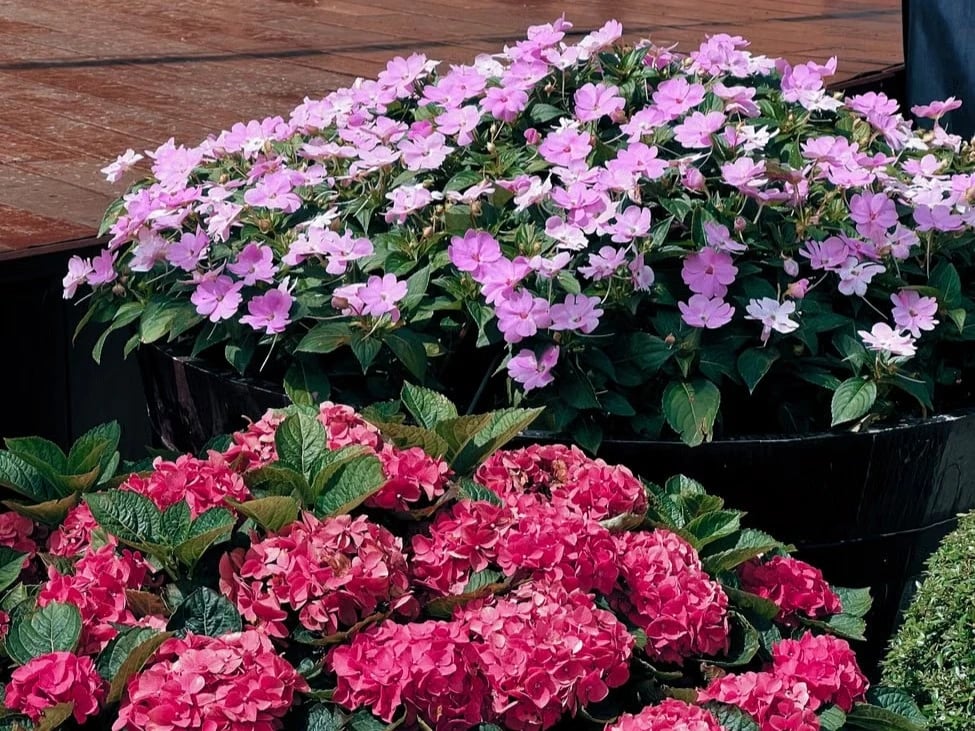
- How much sun does your spot get? Count the hours. Full-sun plants (zinnias, lavender, coneflowers) need 6 or more hours. Partial-shade options (impatiens, begonias, astilbe) perform well with 3 to 4 hours of morning sun.
- What's your maintenance tolerance? Annuals like petunias and marigolds need regular deadheading and feeding. Low-maintenance perennials like daylilies and black-eyed Susans practically grow themselves after the first year.
- Do you want cut flowers? Grow zinnias, dahlias, and sunflowers for vase arrangements. Cut stems early in the morning when flowers hold the most water. A single dahlia plant can produce 15 to 20 cuttable stems per season.
- Are pollinators a priority? Bee balm, salvia, and coneflowers attract bees, butterflies, and hummingbirds. The Xerces Society recommends planting at least 3 different species that bloom at staggered times to support pollinators all summer.
Common mistakes with summer flowers
Even experienced gardeners make these errors. Avoid them and your summer blooms will last weeks longer.
- ✗Planting too early. A surprise late frost kills tender annuals fast. Wait until soil temperature reaches 60°F before planting zinnias, marigolds, or impatiens outdoors. Check your local frost date at the National Weather Service website.
- ✗Overwatering. Soggy roots cause more plant deaths than drought. Lavender, coreopsis, and lantana actually prefer dry conditions. Water deeply once or twice a week rather than sprinkling daily.
- ✗Ignoring deadheading. Spent blooms signal the plant to stop flowering and start setting seed. Snip faded flowers every few days. This single habit extends zinnia and petunia bloom time by 4 to 6 weeks.
- ✗Crowding plants. Phlox and bee balm develop powdery mildew when air can't circulate between stems. Space these plants 18 to 24 inches apart. Good airflow reduces fungal problems by roughly 50%.
Summer flower care: keep blooms going strong
Summer flowers need consistent care from Memorial Day weekend through Labor Day. Here's a month-by-month approach.
- May–June: Plant annuals after the last frost. Apply 2 to 3 inches of organic mulch around perennials to retain moisture and suppress weeds. Mulch keeps soil temperature 8 to 10 degrees cooler during July heat.
- July–August: Feed annuals every 2 weeks with liquid fertilizer. Water deeply in the early morning — before 8:00 AM — to reduce evaporation. Stake tall dahlias and delphiniums before stems lean or snap.
- September–October: Let late-blooming perennials like asters and sedum finish their cycle. Leave seed heads on coneflowers and black-eyed Susans for winter bird food. Cut back spent annuals and add the foliage to your compost pile.
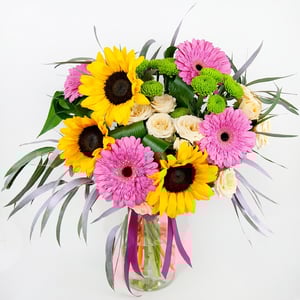
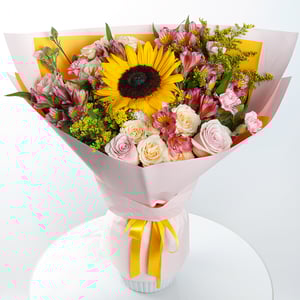
Popular summer flowers: 3 standout picks
Sunflowers
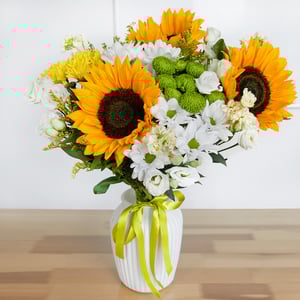
Sunflowers grow from seed to bloom in just 70 to 80 days. 'Mammoth' varieties reach 10 to 12 feet tall and produce heads 12 inches across. Branching types like 'ProCut' give you 8 to 10 stems per plant for cut arrangements. Kids love sunflowers because the seeds sprout visibly within 5 days.
Dahlias
Dahlias offer more than 42,000 registered cultivars in every color except true blue. Dinner-plate varieties produce blooms 8 to 12 inches across. Plant tubers 4 inches deep after soil warms to 60°F — usually mid-May in most of the U.S. Dahlias need staking, consistent water, and biweekly feeding, but the payoff runs from July through the first hard frost.
Hydrangeas
Bigleaf hydrangeas (Hydrangea macrophylla) produce blue flowers in acidic soil (pH below 5.5) and pink flowers in alkaline soil (pH above 6.5). The Endless Summer series reblooms on both old and new wood, extending flower production from June through September. Each shrub reaches 3 to 5 feet tall and wide within 3 years.
Your summer garden starts with one good choice
Pick a single variety that excites you and plant it this weekend. One packet of zinnia seeds, one potted lavender plant, one dahlia tuber — that's all it takes to get started. Summer flowers reward quick action because every week of delay costs you a week of blooms. Browse the full collection at MyGlobalFlowers for fresh-cut summer bouquets you can enjoy right now while your garden grows.
Send summer flowers today
Choose an arrangement, add your message, and have a local florist deliver it fresh.
Frequently asked questions about summer flowers
What flowers bloom all summer long?▾
Zinnias, petunias, marigolds, coneflowers, and lantana bloom continuously from late spring through the first fall frost. Reblooming daylilies like 'Stella de Oro' also produce flowers from May through September with minimal care.
When should I plant summer flowers in the U.S.?▾
Plant summer annuals after your region's last frost date. Zone 7 gardeners typically plant by mid-April. Zone 5 gardeners wait until mid- to late May. Perennials tolerate earlier planting — as soon as the ground thaws and drains well.
Which summer flowers grow best in pots?▾
Calibrachoa, geraniums, dwarf sunflowers, and petunias excel in containers 12 inches or wider. Use quality potting mix, water daily during heat waves, and feed every 2 weeks with balanced liquid fertilizer.
What summer perennial flowers need the least maintenance?▾
Black-eyed Susans, coneflowers, daylilies, and Russian sage need almost no attention after the first growing season. These perennials tolerate drought, resist deer, and spread naturally without dividing for 3 to 4 years.
Can I mix annuals and perennials in the same garden bed?▾
Absolutely. Plant perennials as your garden's backbone — they return each year and fill in gradually. Tuck annuals into gaps for instant color during the first and second seasons while perennials mature. This approach gives you reliable structure plus bold, season-long blooms.