 EUR
EUR
 GBP
GBP
 CAD
CAD
 AUD
AUD

 ✨Boss’s Day✨
 Birthday
 Occasions
 Same Day
 Flowers
 Roses
Roses
 Plants
 Gifts
Gifts
 International Flower Delivery
Black flowers: meaning, symbolism, and the most stunning varieties you can grow
Black flowers stop people mid-step. Picture a midnight-dark dahlia blooming beside pale lavender — that contrast grabs attention faster than any red rose ever could. Roughly 50 cultivars across dozens of plant families produce petals dark enough to appear genuinely black, yet not a single one contains true black pigment. Your garden, your bouquets, and your gift-giving all gain a bold edge when you understand these dramatic blooms. This guide covers every black flower name worth knowing, what each variety symbolizes, and exactly how to grow or gift these extraordinary plants across the US.
Are there real black flowers in nature?
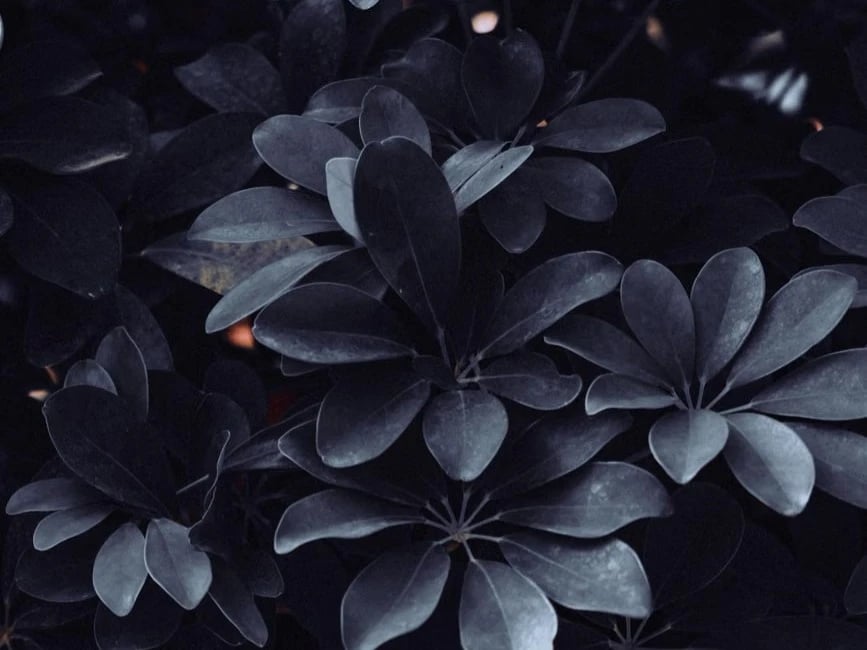
Black flowers fascinate gardeners because true black pigment doesn't exist in the floral world. What you see as a black petal actually contains extremely high concentrations of anthocyanin, the same compound that makes blueberries blue and cherries red. When anthocyanin molecules stack densely enough, petals absorb nearly all visible light wavelengths and reflect almost none back to your eye. The result? A velvety surface that looks inky black.
So are there naturally black flowers? Yes and no. Several species produce blooms so dark they qualify as black to the naked eye. The Lisianthus 'Black Pearl' and Tulip 'Queen of Night' — introduced by Dutch breeders in 1944 — rank among the darkest commercially available varieties. Bat flowers (Tacca chantrieri) grow wild in Southeast Asian forests and produce whisker-like bracts that reach 12 inches in width with a nearly pitch-black color.
The short answer: nature creates flowers dark enough to call black, but under a microscope, every "black" petal reveals deep maroon, burgundy, or violet undertones.
Types of black flowers: a guide to black flower names
Black flowers span a surprising range of shapes, sizes, and growing conditions. Below you'll find the most popular types grouped by how easily American gardeners can find and grow them.
Black dahlia flower
The black dahlia flower ranks as the most searched dark bloom online — and for good reason. Cultivars like 'Arabian Night,' 'Karma Choc,' and 'Black Narcissus' produce dinner-plate-sized blossoms up to 10 inches across. Each dahlia tuber costs between $8 and $15 at most US nurseries.
Dahlias thrive in USDA Hardiness Zones 8–11. Gardeners in colder zones dig up tubers after the first fall frost and store them in peat moss through winter. Plant tubers 4–6 inches deep after soil temperatures reach 60°F, typically late April through mid-May across most of the continental US.
The black dahlia flower meaning carries layers. Keep reading — the symbolism section below breaks down every angle.
Black rose flower
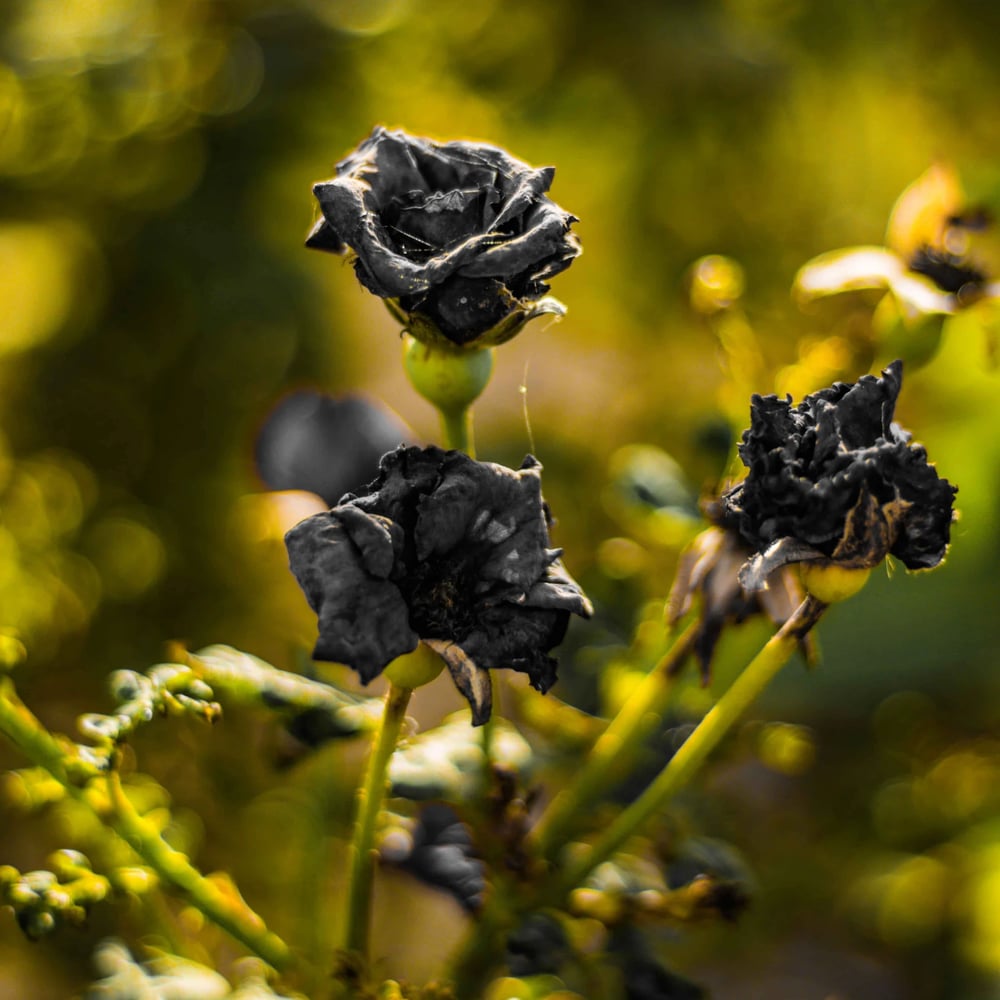
A true black rose doesn't exist in any botanical catalog. The darkest rose cultivars — 'Black Baccara,' 'Black Magic,' and 'Midnight Blue' — produce petals in deep crimson, plum, or mahogany. 'Black Baccara' comes closest to black, especially in cooler temperatures below 60°F when anthocyanin production intensifies.
Black rose meaning centers on farewell, mystery, and rebirth. Victorian-era flower dictionaries associated dark roses with endings, but modern florists use them for Halloween arrangements, gothic-themed weddings, and bold anniversary gifts. A single black rose stem costs roughly $5–$12 at specialty florists across the US.
Black orchid flower
The black orchid flower — specifically Fredclarkeara After Dark — earned the American Orchid Society award for one of the darkest blooms in cultivation. Breeders in California created this hybrid in 2002 by crossing three different orchid genera. Each stem produces 5–8 waxy, near-black blooms that last 4–6 weeks when you keep humidity above 50%.
Black orchid plants retail between $25 and $60. Place the pot near an east-facing window and water every 7–10 days.
Black lily flower
The black lily flower refers to two distinct plants. First: Lilium 'Night Rider,' a true Asiatic-Oriental cross that grows 3–4 feet tall and blooms in mid-July. Each bulb produces 6–12 downward-facing flowers in deep, velvety maroon-black.
Second: the chocolate lily (Fritillaria camschatcensis), native to Alaska and the Pacific Northwest. This wildflower produces bell-shaped blooms so dark they absorb light. Indigenous Alaskan communities historically harvested the starchy bulbs for food.
Plant black lily bulbs 6 inches deep in well-draining soil during September or October for blooms the following summer.
Black iris flower
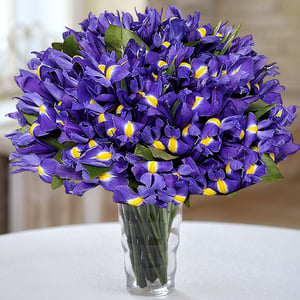
The black iris flower holds national significance in Jordan, where Iris nigricans serves as the country's official flower. In the US, gardeners grow 'Hello Darkness' and 'Before the Storm' — tall bearded iris cultivars reaching 34–38 inches high. These varieties bloom in late May through early June and need full sun plus excellent drainage.
One standout: 'Black Gamecock,' a Louisiana iris that tolerates wet, boggy soil. This cultivar thrives in USDA Zones 6–9 and produces near-black blooms with a tiny yellow signal on each fall petal.
Black lotus flower
The black lotus flower doesn't grow in any pond. This mythical bloom exists primarily in spiritual traditions, art, and gaming culture (the 'Black Lotus' card from Magic: The Gathering sold for $540,000 at auction in 2023). In Buddhist and Hindu symbolism, a very dark lotus represents the triumph of spirit over adversity. No cultivated lotus variety produces truly black petals, though 'Almost Black' water lilies (Nymphaea) come close with their deep burgundy pads.
Black flowers symbolism: what does each bloom mean?
Black flowers carry meaning far beyond decoration. Different cultures read different messages in these dark petals.
Black dahlia meaning and symbolism
Black dahlia symbolism pulls from multiple sources. In the Victorian language of flowers, dahlias signified elegance, dignity, and a lasting commitment between two people. The black dahlia flower meaning adds intensity to that baseline: strength through adversity, standing out from the crowd, and unwavering confidence.
The name also echoes the 1947 Elizabeth Short murder case in Los Angeles, which reporters dubbed "The Black Dahlia." That association gives these flowers a darker, more mysterious reputation in American pop culture. Florists report that black dahlia orders spike every October as customers prepare for Halloween and Día de los Muertos arrangements.
Black flower meaning across cultures
Black flower meaning shifts depending on where you stand:
- Western cultures link black blooms to mourning, farewell, and gothic romance
- Japanese flower arranging (Ikebana) treats dark blooms as symbols of power and authority
- Turkish tradition interprets the black rose from Halfeti (a town on the Euphrates River) as a symbol of hope amid harsh conditions
- Mexican Día de los Muertos celebrations use dark-petaled flowers alongside marigolds to honor the deceased
- Modern American weddings increasingly feature black flowers to signal sophistication and nonconformity
Black peony meaning
Black peony meaning connects to honor, bravery, and prosperity in Chinese culture, where peonies carry the nickname "king of flowers." The darkest peony cultivar, 'Black Panther,' produces petals in a deep wine-burgundy that photographs as nearly black. Japanese tree peonies in the 'Shimadaijin' variety achieve similar darkness. A bare-root black peony plant typically costs $30–$50, and the plant takes 3 years to establish a full bloom cycle.
Black calla lily meaning
Black calla lily meaning blends elegance with mystery. The 'Black Star' and 'Cantor Black' varieties from the Zantedeschia genus display glossy, trumpet-shaped spathes in deep purple-black. In the language of flowers, calla lilies represent magnificent beauty. The black variety adds an undertone of sophistication and unconventional taste.
Brides across the US increasingly choose black calla lilies for fall and winter wedding bouquets. A bundle of 10 stems typically costs between $20 and $35 from wholesale flower markets.
Black flowers paired with other colors
Black blooms shine brightest when you combine them with contrasting colors. Here's how specific pairings change the mood.
Black and red flowers
Red and black flowers together create a dramatic, passionate arrangement. Think black dahlias alongside red garden roses or dark tulips mixed with scarlet ranunculus. This combination dominates Valentine's Day orders from customers who want something bolder than a standard red-rose dozen. The pairing also works for Día de los Muertos altars and elegant Halloween tablescapes.
Black and purple flowers
Purple and black flowers lean into rich, moody territory. Pair 'Queen of Night' tulips with lavender stock or combine black petunias with violet sweet peas. Deep purple blooms share the same anthocyanin family as black ones, so the transition between colors feels seamless rather than jarring.
Black and blue flowers
Black and blue flowers evoke a cool, twilight atmosphere. Midnight-blue delphiniums next to black iris stems create a monochromatic arrangement that reads as both serene and dramatic. 'Royal Navy Blue' sweet peas beside dark pansies produce a similar effect in a garden border.
Orange and black flowers
Orange and black flowers scream autumn. Marigolds paired with black dahlias dominate October porch displays across the US. This combination also works well for Thanksgiving centerpieces — just add some russet chrysanthemums and ornamental kale.
Pink and black flowers
Pink and black flowers strike a balance between softness and edge. Hot-pink gerbera daisies alongside black calla lilies make a statement bouquet for birthdays, bridal showers, and unconventional Mother's Day gifts (celebrated the second Sunday of May in the US).
Looking for dark, dramatic blooms?
Browse black, burgundy, and deep-toned arrangements and choose a palette that fits the mood.
How to grow dark black flowers in your garden
Growing naturally black flowers requires attention to soil chemistry, light, and temperature. Here are direct steps for American gardeners.
Soil and pH
Acidic soil with a pH between 5.5 and 6.5 intensifies anthocyanin production. Test your soil in early spring using a $10–$15 home testing kit from any garden center. Amend alkaline soil with sulfur or peat moss — apply 1–2 pounds of elemental sulfur per 100 square feet to lower pH by one point.
Sunlight exposure
Most black flower varieties need 6–8 hours of direct sunlight daily. Full sun pushes pigment concentration higher. One exception: black hellebores ('Midnight Ruffles') prefer partial shade, especially in southern states where afternoon temperatures exceed 90°F.
Temperature matters
Cool nights between 50°F and 60°F deepen black flower color. Gardeners in the Pacific Northwest, New England, and the upper Midwest often see the darkest blooms because of their cool nighttime temperatures. In warmer zones (9–11), plant black flowers where they receive morning sun and afternoon shade to keep petal temperatures from bleaching the dark pigments.
Watering schedule
- Water black dahlias 2–3 times per week during July and August
- Water black iris once per week, letting soil dry between sessions
- Water black orchids every 7–10 days, misting leaves on dry days
- Water black petunias daily during heat waves above 90°F
- Water black calla lilies consistently to keep soil moist but never waterlogged
Deadheading and maintenance
Trim spent black dahlia blooms every 3–4 days. Regular deadheading encourages new buds and extends the blooming period by 2–3 weeks. Cut stems at a 45-degree angle just above the next leaf node.
For black roses, prune in late February (Zones 7–10) or mid-March (Zones 4–6). Remove any canes thinner than a pencil and cut the remaining stems to 12–18 inches.
Common mistakes when growing black flowers
Gardeners run into the same problems repeatedly. Avoid these pitfalls.
- ✗Planting too deep. Black dahlia tubers rot when planted more than 6 inches below the surface. Keep the eye (growth point) facing up and cover with just 4–6 inches of soil.
- ✗Overwatering orchids. Black orchid roots need air circulation. Standing water kills them within 2 weeks. Use a bark-based potting mix and a pot with drainage holes.
- ✗Ignoring pests. Aphids love dark-petaled blooms. Spray neem oil (diluted at 2 tablespoons per gallon of water) every 10 days during growing season.
- ✗Expecting instant results. Black peonies take 3 full growing seasons to produce mature blooms. Plant bare-root peonies in fall and resist the urge to move them — peonies resent transplanting and can skip a bloom year each time you relocate them.
- ✗Skipping mulch. A 2–3 inch layer of organic mulch retains moisture and keeps root temperatures stable, which helps maintain dark coloring.
Black flowers for every occasion
Black blooms suit more moments than you might expect.
- Halloween and fall décor: Combine black dahlias with orange pumpkins, gourds, and dried wheat sheaves. Florists across the US report a 40% spike in dark-flower sales during October.
- Gothic or nontraditional weddings: Black calla lilies, dark ranunculus, and 'Queen of Night' tulips create moody, dramatic bridal bouquets.
- Sympathy and condolence: A black rose or deep-burgundy hellebore arrangement communicates grief and respect without relying on standard white lilies.
- Día de los Muertos (November 1–2): Dark flowers complement the traditional marigold ofrendas. Many Mexican-American families blend both colors on memorial altars.
- Birthday gifts for bold personalities: Skip the pink carnations. A mixed bouquet featuring black orchids and deep-red roses tells someone you see their individuality.
- Fourth of July twist: Pair dark blue-black irises with red poppies and white snapdragons for a patriotic arrangement with serious visual impact.
How to keep cut black flowers fresh
Fresh-cut black blooms need specific care to hold their color and shape.
- Trim stems by 1 inch at a 45-degree angle immediately before placing them in water
- Fill your vase with cool water (65–70°F) and add the flower food packet from your florist
- Remove any leaves below the waterline to prevent bacterial growth
- Change the water every 2 days — black dahlias last 5–7 days with fresh water, but only 3 days without changes
- Keep the arrangement away from direct sunlight, heating vents, and fruit bowls (ripening fruit releases ethylene gas, which accelerates wilting)
- Mist black orchid stems daily to maintain the velvety sheen on the petals
Refrigerate arrangements overnight at 34–38°F to extend their vase life by 2–3 extra days. This trick works especially well during summer months when indoor temperatures stay above 75°F.
Your next move with black flowers
Here's what sticks with me: black flowers break every convention. Most people reach for pastels, sunflower yellows, classic reds. And those choices work fine. But a single 'Black Baccara' rose in a bud vase on your desk, a row of 'Queen of Night' tulips along your front walk, a pair of black calla lilies tucked into a sympathy arrangement — those details separate forgettable from unforgettable.
Start small. Grab one tuber, one bulb, one potted orchid. Watch the reactions from neighbors, dinner guests, or the person you're gifting. Then decide how deep into the dark side your garden goes.
What black flower catches your eye first? Browse the catalog at MyGlobalFlowers and see which dark blooms local florists can deliver to your door.
Send dark-toned flowers today
Choose a dramatic palette, add a message, and let a local florist hand-deliver it fresh.
Frequently asked questions about black flowers
Do naturally black flowers exist?▾
No flower produces true black pigment. The darkest varieties — like 'Arabian Night' dahlias and 'Black Baccara' roses — contain extremely concentrated anthocyanin molecules that absorb nearly all light. Under magnification, every "black" petal reveals deep burgundy, maroon, or violet tones.
What does a black rose mean?▾
A black rose traditionally symbolizes farewell, mystery, and rebirth. Victorian-era dictionaries linked dark roses to endings, but modern use extends to gothic romance, unconventional elegance, and Halloween or Día de los Muertos celebrations.
What is the black dahlia flower meaning?▾
Black dahlia symbolism centers on inner strength, dignity, and standing apart from the crowd. The name also echoes the 1947 Elizabeth Short case in Los Angeles, which adds a layer of mystery and intrigue in American culture.
Can I grow black flowers in hot climates like Texas or Florida?▾
Yes, but choose heat-tolerant varieties. Black petunias ('Black Velvet'), dark canna lilies, and 'Arabian Night' dahlias handle Zones 8–10 well. Provide afternoon shade and water consistently — cool nighttime temperatures below 60°F deepen color, so you may see slightly lighter blooms in the Deep South.
Which black flowers last longest in a vase?▾
Black calla lilies last 7–10 days in a vase. Black orchid stems hold for 4–6 weeks on the plant. Dark dahlias last 5–7 days with daily water changes. Among cut stems, calla lilies consistently outlast every other dark bloom.
Where can I buy black flower seeds or bulbs in the US?▾
Major nurseries like Eden Brothers stock more than 50 dark-flower varieties. Local garden centers carry 'Queen of Night' tulips and 'Black Narcissus' dahlia tubers each spring. Online retailers typically charge $4–$15 per packet or bulb, with delivery anywhere in the US within 3–7 business days.