EUR
 GBP
 CAD
 AUD

 Birthday
 Same Day
 Occasions
 Flowers
 Roses
 Plants
 Gifts
 International Flower Delivery
Green Flowers
Green flowers might be the most overlooked color in the entire floral world — and honestly, that's a shame. Most people walk into a florist thinking pink, red, white, maybe yellow. Green? Almost never crosses their minds. But here's the thing: dozens of flower species bloom in stunning shades of green, from the softest mint to the deepest emerald. They're real, they're gorgeous, and they deserve way more attention than they get. At MyGlobalFlowers — an international flower delivery service, local florists assemble and hand-deliver every bouquet, so you can send these unexpected beauties to someone you care about without lifting anything heavier than your phone.
Picture this. You're scrolling through bouquet options, and suddenly a green arrangement catches your eye. It feels fresh, modern, a little mysterious. You didn't even know green flowers existed five minutes ago, and now you're seriously considering sending a full green bouquet for Mother's Day. That moment of surprise? That's exactly what makes green blooms so special.
In this guide, you'll learn everything you need to know about green flowers — from the science behind their color to a comprehensive list of green flower names organized by shade. I'll walk you through dark green flowers, light green varieties, emerald and mint options, plus the unsung heroes: green filler flowers that quietly make every arrangement look polished. You'll also find bouquet design tips, color-pairing strategies, US holiday ideas, care instructions tailored to American homes, common mistakes to avoid, and the symbolism behind these beautifully unusual blooms. Let's get into it.
Surprise someone with something unexpected
Hand-arranged bouquets by local florists — delivered fresh today.
Do green flowers actually exist? (Yes — and here's why)
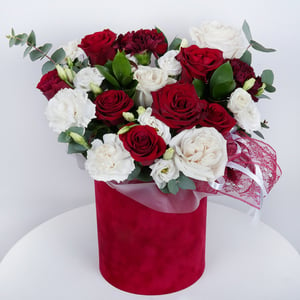
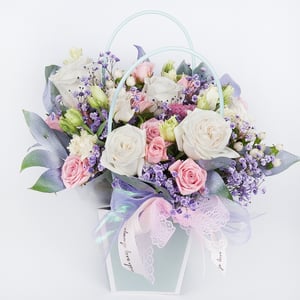
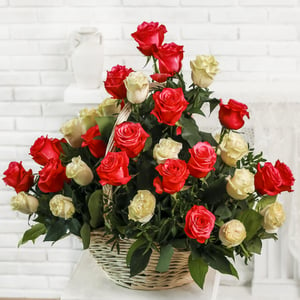
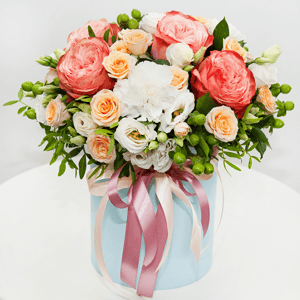
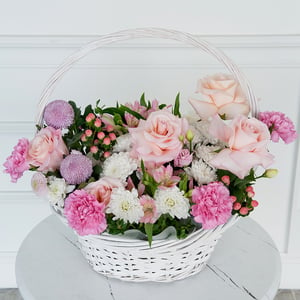
Green flowers absolutely exist — and once you start looking for them, you'll spot them everywhere. The question "do green flowers exist?" pops up more often than you'd think, and the answer is a resounding yes. So are there any green flowers growing naturally, without dye or artificial color? Plenty.
Here's the biology in plain terms. Most petals get their color from pigments called anthocyanins (reds, purples, blues) or carotenoids (yellows, oranges). Green flowers get their color from chlorophyll — the same pigment that makes leaves green. In most flowers, chlorophyll fades as petals mature and other pigments take over. But in naturally green flowers, the chlorophyll stays dominant, or the petal structure lacks competing pigments entirely.
Some green flowers are entirely natural — they've bloomed green for centuries without any human intervention. Hellebores, Bells of Ireland, and lady's mantle all fall into this category. Other green varieties are the result of selective breeding. Breeders have developed green cultivars of roses, chrysanthemums, zinnias, gladioli, and carnations by amplifying the chlorophyll-producing traits and suppressing other pigment genes. These are still real green flowers — they grow from living plants, they aren't painted or dipped in dye.
That said, dyed green flowers do exist in the market. Green carnations for St. Patrick's Day, for instance, are often white carnations that florists tint using food-safe dye absorbed through the stems. Nothing wrong with that — just know the difference. Natural green flowers tend to have more nuanced, organic-looking color. Dyed blooms look more uniform and vivid, sometimes almost neon. Both have their place, but when someone asks about real green flowers, the natural and bred varieties are the ones worth celebrating.
Types of green flowers — a complete list of names

Green flowers come in a remarkable range of shades, sizes, and personalities. This section covers all the major types of green flowers you'll encounter, organized by shade so you can find exactly what you're looking for. Whether you're searching for green flowers names to identify something you spotted at a farmer's market or you want to know what flowers are green for an upcoming event, this list has you covered. I've included common names, botanical names, shade descriptions, and best uses for each variety — because green flower names alone don't tell the whole story.
Dark green flowers
Dark green flowers are the rarest and most dramatic members of the green flower family. Truly deep green blooms are harder to find than lime or chartreuse shades, which makes them feel extra special when you encounter one. A dark green flower adds instant depth and sophistication to any arrangement.
- Green hellebore (Helleborus viridis) — This woodland perennial produces cup-shaped blooms in a rich, dark green. Hellebores flower in late winter and early spring, making them one of the earliest green blooms you can find. They work beautifully as focal flowers in small, intimate arrangements.
- Dark-toned cymbidium orchids (Cymbidium spp.) — Certain cymbidium cultivars bloom in deep olive to dark green tones with subtle speckling. These orchids make stunning focal blooms in corsages, boutonnieres, and modern bouquets. Each bloom can measure 3–5 inches across.
- 'Midori' anthurium (Anthurium andraeanum 'Midori') — This cultivar produces waxy, heart-shaped spathes in a deep, glossy green. Anthuriums last an impressively long time in a vase — often two weeks or more — and add a tropical, architectural quality to arrangements.
- Green cockscomb (Celosia argentea, green varieties) — Some celosia cultivars develop dense, brain-like crests in dark forest green. These textural blooms add serious visual weight and look striking alongside softer flowers.
Light green and mint green flowers
Light green flowers bring an airy, fresh quality that feels like the first warm day of spring. Mint green flowers sit in a similar zone — cool, soft, and effortlessly elegant. These shades pair beautifully with whites, blush pinks, and lavenders.
- Bells of Ireland (Moluccella laevis) — Despite the name, this plant actually originates from Turkey and Syria. The tall spikes of shell-shaped, pale green calyces look fantastic in tall vase arrangements. Bells of Ireland are a classic choice for St. Patrick's Day bouquets and wedding designs.
- Green hydrangea (Hydrangea macrophylla, green varieties) — Hydrangeas naturally shift toward green as they mature, and some cultivars start green from the beginning. The large, rounded flower heads create instant volume in light green and mint green tones. I always find it surprising how much one stem of green hydrangea can transform a simple arrangement.
- 'Spring Green' tulip (Tulipa 'Spring Green') — This viridiflora tulip features creamy white petals with bold green flames running through the center. The effect is subtle and elegant — perfect for spring bouquets. These tulips only appear during the spring season, so timing matters.
- Green lisianthus (Eustoma grandiflorum, green varieties) — Lisianthus blooms in ruffled, rose-like layers, and the green cultivars range from pale mint to soft sage. These flowers add a romantic, textured quality and work as both focal and supporting blooms.
- 'Lime Green' flowering tobacco (Nicotiana alata 'Lime Green') — This cottage-garden favorite produces clusters of star-shaped, bright lime-green flowers. The blooms release a sweet fragrance in the evening, making them a lovely choice for dinner-table arrangements.
- Green carnation (Dianthus caryophyllus, naturally green or tinted) — Some carnation cultivars grow in pale green tones naturally, though many green carnations on the market are white blooms tinted with dye. Either way, the ruffled petals and long vase life make them practical and pretty.
- Green ranunculus (Ranunculus asiaticus, green varieties) — Ranunculus features tissue-thin, layered petals in soft green hues that look almost translucent in sunlight. Honestly, this one's underrated — a green ranunculus can hold its own against any rose.
Emerald green flowers
Emerald green flowers occupy the sweet spot between dark and bright — rich, saturated, and jewel-toned. These varieties make a bold statement without tipping into neon territory.
- 'Green Star' gladiolus (Gladiolus 'Green Star') — This striking gladiolus cultivar produces tall spikes covered in ruffled, emerald-green blooms with a slightly lighter throat. The stems can reach 36–48 inches tall, making them perfect for dramatic, tall arrangements.
- Green rose (Rosa 'Green Tea,' 'Jade,' or Rosa chinensis viridiflora) — Green roses exist in several forms. 'Green Tea' and 'Jade' are modern cultivars with soft-to-medium green petals. Rosa chinensis viridiflora — the original green rose — blooms with sepals instead of true petals, creating a wholly unique, leafy appearance. This is one of my favorites because people genuinely can't believe it's a real rose.
- Green dahlia (Dahlia 'Wizard of Oz,' 'Green Elf') — Certain dahlia cultivars produce blooms in rich, emerald-to-chartreuse tones. 'Wizard of Oz' is a ball dahlia with dense, symmetrical petals. These beauties bring serious wow-factor to late-summer and fall arrangements.
- Green zinnia (Zinnia elegans 'Envy') — 'Envy' is the most famous green zinnia variety, producing semi-double blooms in a vivid, emerald-lime green. Zinnias are easy to grow and incredibly long-lasting as cut flowers.
Green filler flowers for bouquets
Green filler flowers are the unsung heroes of floral design. While focal blooms get all the glory, filler flowers create the body, movement, and texture that make an arrangement look full and professional. Most competitors skip this category entirely, but if you've ever wondered why one bouquet looks polished and another looks sparse — the filler flowers are often the difference.
- Bupleurum (Bupleurum griffithii) — This airy filler produces tiny, star-shaped, chartreuse-green blooms surrounded by delicate bracts. Bupleurum adds lightness and volume without visual weight.
- Green button pom chrysanthemums (Chrysanthemum spp.) — Small, round, and densely petaled, green button poms add cheerful polka-dot texture to any bouquet. They come in shades from lime to forest green and last exceptionally long in a vase.
- Lady's mantle (Alchemilla mollis) — This garden perennial produces airy sprays of tiny, chartreuse-yellow flowers. Lady's mantle creates a soft, cloud-like effect and works beautifully cascading over the edge of a vase.
- Green hypericum (Hypericum spp.) — Hypericum berries come in green shades that add a unique berry-like texture to arrangements. The clusters of small, round fruits create visual interest without competing with focal blooms.
- Green sedum (Sedum spp.) — Flat-topped clusters of tiny green flowers give arrangements a succulent, organic feel. Sedum adds a modern, textural quality that looks especially good in rustic or garden-style designs.
- Green amaranthus (Amaranthus spp.) — The trailing, rope-like tassels of green amaranthus (sometimes called love-lies-bleeding) create dramatic cascading movement. These stems look stunning spilling over the edge of tall centerpieces.
- Dill blooms (Anethum graveolens) — Yes, the herb. Dill's feathery, umbrella-shaped flower heads add whimsical, meadow-like texture and a subtle green-yellow tone. By the way, the blooms carry a faint herbal scent that's surprisingly pleasant in a fresh arrangement.
Beautiful green flowers for bouquets and arrangements
Green flowers have a design versatility that honestly surprised me when I first started paying attention. Beautiful green flowers can play multiple roles in an arrangement — they're not limited to "just greenery." Understanding how to use them transforms a basic bouquet into something genuinely memorable.
Focal blooms command attention. Green roses, green dahlias, 'Green Star' gladiolus, and cymbidium orchids all have the size, shape, and visual impact to anchor a bouquet. Place them at the center or at varying heights to create depth.
Supporting flowers complement the focal blooms. Green lisianthus, green ranunculus, 'Spring Green' tulips, and green hydrangeas work beautifully in this role. They add volume and color without overpowering the main stems.
Filler and texture flowers complete the picture. Bupleurum, green button poms, lady's mantle, green hypericum, amaranthus, and dill blooms fill gaps, add movement, and create that lush, full look that separates a grocery-store bunch from a professional arrangement.
Color pairing strategies for green bouquet flowers
Knowing which colors pair well with green flowers makes all the difference:
- Green + white creates a clean, elegant, timeless look — perfect for weddings, sympathy arrangements, and corporate settings.
- Green + pink captures a spring-garden energy that feels youthful and romantic. Think green hydrangeas alongside blush peonies.
- Green + burgundy or deep red produces a rich, moody palette that works beautifully for fall events, Thanksgiving tables, and holiday arrangements.
- Green + purple or lavender offers an unexpected, sophisticated contrast that stands out without feeling loud.
- All-green monochromatic arrangements mix different shades — lime, emerald, sage, chartreuse — for a tonal design that looks incredibly modern and calming.
When you order through MyGlobalFlowers, local florists select the freshest seasonal stems available that day. Because flowers are a natural product, florists may substitute individual stems with equal-value alternatives while keeping the arrangement's overall style and color palette intact. Think of it like a chef adjusting a recipe based on what's freshest at the market — the result is just as beautiful, sometimes even better, because the blooms are at their peak.
Green flowers for every occasion and US holiday

Green flowers work for far more occasions than people realize. Here's a breakdown of specific US holidays and life events where green bouquets shine — something most flower guides completely overlook.
Holiday-specific green flower ideas
- St. Patrick's Day (March 17) — Green carnations are the classic choice, but Bells of Ireland and green button poms bring more texture and authenticity. A mixed bouquet of all three celebrates the holiday with style.
- Mother's Day (second Sunday in May) — Green hydrangea arrangements feel fresh and unexpected. A bouquet combining green roses with white peonies says "I thought about this" in all the right ways.
- Memorial Day (late May) — Soft green tones paired with white creates a calming, respectful tribute. Green lisianthus and white roses work beautifully together.
- Fourth of July — While green isn't the first color you'd reach for, a mixed arrangement using green hypericum alongside red and white blooms nods at the holiday without being overly literal.
- Thanksgiving (November) — Emerald and chartreuse green flowers complement the warm autumnal palette of oranges, burgundies, and golds. Green dahlias, 'Envy' zinnias, and trailing green amaranthus add depth to centerpieces.
Life events and occasions
- Weddings — Sage and emerald palettes dominate modern wedding design this season. Green flowers pair with neutrals for a garden-romantic aesthetic or with jewel tones for a luxe feel.
- Housewarming and new beginnings — Green symbolizes renewal, growth, and harmony, making green flowers an ideal gift when someone starts a new chapter — new home, new job, new baby.
- Sympathy and memorial — Soft green tones offer calm without the heaviness of dark colors. A green-and-white arrangement communicates peace and hope during difficult moments.
- Corporate gifts — Green conveys prosperity, balance, and professionalism. A sleek green arrangement makes a thoughtful gift for a colleague's promotion, a client meeting, or an office reception desk.
- Graduations — Green represents new beginnings, so a green bouquet is actually a perfectly symbolic choice for a graduate stepping into their next phase of life.
How to care for green flowers after delivery
Green flowers need the same attention as any other bloom — maybe even a little extra vigilance, because their green petals can trick you into thinking they're tougher than they are. Here are step-by-step care tips adapted for real life in American homes, where air conditioning, heating systems, and regional climate differences all play a role.
- ✓Trim the stems immediately. Cut each stem at a 45-degree angle with sharp shears or a clean knife right after the bouquet arrives. This angled cut creates more surface area for water absorption.
- ✓Use a clean vase with room-temperature water. Fill the vase about two-thirds full. Add the packet of flower food that comes with your delivery — the nutrients and antibacterial agents genuinely extend vase life.
- ✓Change the water every two days. Green petals show wilting less obviously than white or pink ones, so you might not notice when water gets cloudy. Set a phone reminder to swap the water on a regular schedule.
- ✓Keep the vase away from trouble spots. Direct sunlight, heating vents, air-conditioning drafts, and fruit bowls are all enemies. Fruit releases ethylene gas, which accelerates petal aging.
- ✓Remove any leaves below the waterline. Submerged foliage decays quickly and breeds bacteria that shorten vase life. Strip the lower 2–3 inches of each stem before placing it in water.
- ✓Mist delicate green blooms in dry climates. Hellebores and lisianthus benefit from a light misting in the arid Southwest or during winter heating season, when indoor humidity can drop below 20%. A small spray bottle does the trick.
- ✓Avoid placing blooms near open windows in humid Southern summers. High humidity plus warm temperatures can accelerate mold growth on densely petaled flowers like hydrangeas and dahlias. Choose a spot with good air circulation.
Common mistakes when choosing green flowers
Surprise someone with something unexpected
Hand-arranged bouquets by local florists — delivered fresh today.
Green flowers are wonderful — but people make avoidable mistakes with them. Here's what to watch out for, because I've seen every single one of these missteps in real arrangements.
- ✗Confusing dyed green flowers with naturally green varieties.
A neon-green carnation and a naturally green hellebore create very different aesthetics. Know what you're buying. Dyed blooms look uniform and vivid; natural greens have organic variation and depth. - ✗Using only filler greens with no focal green bloom.
An arrangement with only bupleurum, hypericum, and lady's mantle — and no substantial flower — looks like a pile of foliage. Every green bouquet needs at least one or two statement blooms to anchor the design. - ✗Ignoring seasonality.
'Spring Green' tulips bloom in spring. Green dahlias peak in late summer and early fall. Green gladiolus hits its stride in midsummer. Ordering a specific green variety off-season means the florist will need to substitute — still beautiful, but manage your expectations around timing. - ✗Pairing too many shades of green without a contrasting accent.
An all-green arrangement can look incredible, but only when you vary the shades intentionally — dark against light, matte against glossy. Without any contrast in tone or texture, the design falls flat. - ✗Assuming green flowers are "hardier" because they look like leaves.
People sometimes think green petals are basically foliage and skip the water changes and stem trims. Green blooms need exactly the same care as any other cut flower. Skip the maintenance, and they'll wilt just as fast.
What green flowers symbolize
Green flowers carry meanings rooted in nature's most fundamental processes — growth, renewal, and balance. In the language of flowers, green represents new beginnings, making green bouquets a perfect choice for graduations, new jobs, first homes, and fresh starts of any kind.
The symbolism extends further. Green conveys good fortune and health, two qualities that make green arrangements feel uplifting without being overly sentimental. There's a groundedness to green flowers that roses or sunflowers don't quite offer — they feel calm, hopeful, and alive all at once.
Cultural context adds even more layers. Green holds deep significance in Irish tradition, making green blooms central to St. Patrick's Day celebrations. In East Asian cultures, green represents prosperity and vitality. In Western floral design, green signals harmony and acts as the bridge between bolder colors, creating visual rest and balance in mixed arrangements.
For sympathy and memorial occasions, soft green tones offer peace without the starkness of all-white arrangements or the weight of dark purples. A green bouquet says "life continues" in the gentlest possible way.
Your next bouquet might just be green
Green flowers deserve a permanent spot in every flower lover's rotation. They surprise people, they soothe a room, and they stand out precisely because they break expectations. While everyone else sends red roses or pink peonies (both lovely, no shade), you could send something that makes the person pause, look closer, and genuinely smile at the unexpectedness of it.
So — what green flower caught your eye? Maybe the emerald drama of a 'Green Star' gladiolus, the quiet elegance of a 'Spring Green' tulip, or the ruffled beauty of a green ranunculus. Whatever sparked your interest, explore the green bouquets in the MyGlobalFlowers catalog, where local florists craft each arrangement by hand using the freshest seasonal stems available. Or share this article with a fellow plant lover who's ready to see flowers in a whole new shade.
Frequently asked questions
Do green flowers exist in nature?▾
Yes, many flowers bloom naturally in shades of green. Bells of Ireland, green hellebores, and lady's mantle have produced green blooms for centuries without any human intervention. Breeders have also developed green cultivars of roses, zinnias, gladioli, chrysanthemums, and carnations through selective breeding — making these real, living green flowers, not dyed imitations.
What are the most popular green flower names?▾
The most commonly requested green flowers include green hydrangea (soft mint to sage), green roses (medium emerald), Bells of Ireland (pale lime), green carnations (light to vivid green), 'Spring Green' tulips (white with green flames), green lisianthus (mint to sage), cymbidium orchids (olive to deep green), 'Envy' zinnias (emerald-lime), green button pom chrysanthemums (lime to forest), and green ranunculus (soft pale green).
Are there dark green flowers?▾
Dark green flowers exist, though they're rarer than lighter green varieties. Green hellebore (Helleborus viridis) produces rich, deep green cups. Dark-toned cymbidium orchid cultivars bloom in olive to dark green. 'Midori' anthurium features glossy, deep green spathes. Truly dark green blooms are uncommon, which makes them especially striking in arrangements.
What green flowers work best as filler in bouquets?▾
The best green filler flowers include bupleurum for airy volume, green hypericum berries for texture, green button pom chrysanthemums for cheerful round shapes, lady's mantle (Alchemilla mollis) for soft clouds of chartreuse, and trailing green amaranthus for dramatic cascading movement. Dill blooms also work as a whimsical, meadow-style filler with a subtle herbal scent.
What do green flowers symbolize?▾
Green flowers symbolize renewal, health, good fortune, and new beginnings. They represent growth and harmony in the language of flowers, making them ideal gifts for graduations, new homes, fresh starts, and occasions where you want to express optimism and hope.
Can I send green flowers for a holiday like St. Patrick's Day or Mother's Day?▾
Absolutely. For St. Patrick's Day, green carnations and Bells of Ireland are classic choices that celebrate the holiday's green tradition. For Mother's Day, a green hydrangea arrangement or a bouquet of green roses paired with white peonies feels fresh and thoughtful — a welcome change from the expected pink and red options.