EUR
 GBP
 CAD
 AUD

 Birthday
 Same Day
 Occasions
 Flowers
 Roses
 Plants
 Gifts
 International Flower Delivery
Orange Flowers Names: a complete guide to orange blooms for every garden and occasion
If you've ever scrolled through a garden catalog and wondered about orange flowers names — what they're called, how tall they get, or whether they'll survive your local winter — you're not alone. Orange is arguably the most polarizing color in the flower world. Some gardeners build entire borders around it. Others avoid it like it clashes with everything. Honestly, I think that tension is exactly what makes orange blooms so exciting: they refuse to be ignored.
Bring home the warmth of orange
Shop orange bouquets, hand-arranged and delivered fresh by a local florist.

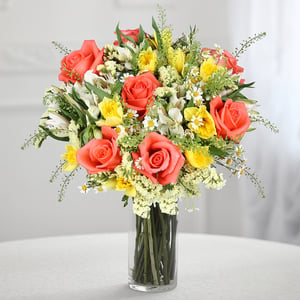
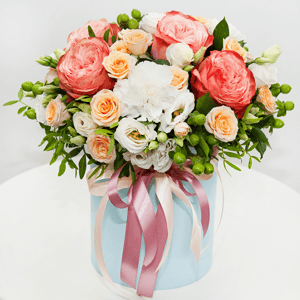
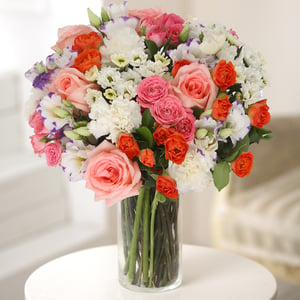

At MyGlobalFlowers, an international flower delivery service that connects you with local florists around the world, we see orange arrangements spike in popularity every autumn. But here's the thing — orange flowers aren't just for fall. From the soft peach tones of spring ranunculus to the fiery punch of summer zinnias, orange shows up in every season if you know where to look.
This article gives you everything you need. You'll find a thorough list of orange flowers — over 40 varieties organized by type — plus tall orange flower identification tips, seasonal planting guidance, growing advice for US hardiness zones, cut flower care, and ideas for pairing orange blooms with holidays and celebrations. Let's get into it.
What do orange flowers symbolize?
Orange sits right between red's passion and yellow's cheerfulness, and the symbolism reflects that blend. Orange flowers represent enthusiasm, warmth, creativity, and joy. They also carry undertones of gratitude and harvest — which explains why you see them everywhere during Thanksgiving.
In the United States, orange blooms have strong cultural ties to fall. Picture a Thanksgiving centerpiece loaded with chrysanthemums, marigolds, and bittersweet berries. Think of Halloween porches where orange flowers mingle with carved pumpkins and dark foliage. Beyond autumn, orange flowers convey celebration and energy. They're a popular choice for milestone birthdays, housewarming gifts, and even patriotic arrangements when mixed with red and white.
If you ask me, orange is the most underused flower color for spring and summer events. A bride carrying a bouquet of burnt-orange dahlias and ranunculus makes a statement that pink peonies simply can't. Orange says, "I chose boldness on purpose."

Common orange flowers: the list you've been looking for
Ready for a comprehensive list of orange flowers? Below you'll find over 40 orange flower types organized by growth habit — annuals, perennials, bulbs, shrubs, vines, and trees. Every entry includes the botanical name, a brief description, hardiness zones, height range, sun and soil preferences, and bloom season. Bookmark this page; you'll come back to it.
Orange annual flowers
- ✓Marigold (Tagetes)
Ruffled pom-pom blooms in shades from pale gold to deep tangerine. Marigolds repel certain garden pests and bloom nonstop until frost. Annual. USDA Zones 2–11. Height: 6–36 inches. Full sun. Average, well-drained soil. Bloom season: late spring through fall. - ✓California poppy (Eschscholzia californica)
Silky, cup-shaped petals in vivid orange that close on cloudy days. California poppies self-sow freely and thrive in poor soil. Annual (perennial in mild climates). USDA Zones 6–10. Height: 6–12 inches. Full sun. Sandy, well-drained soil. Bloom season: spring through early summer. - ✓Zinnia (Zinnia elegans)
Bold, daisy-like blooms on sturdy stems. Orange varieties like 'Orange King' and 'Zowie! Yellow Flame' draw butterflies all summer. Annual. USDA Zones 2–11. Height: 12–48 inches. Full sun. Fertile, well-drained soil. Bloom season: summer through fall. - ✓Nasturtium (Tropaeolum majus)
Funnel-shaped, edible flowers on trailing or mounding plants. Nasturtium leaves and blooms taste peppery in salads. Annual. USDA Zones 2–11. Height: 12–72 inches (trailing types). Full sun to part shade. Lean, well-drained soil. Bloom season: summer through fall. - ✓Calendula (Calendula officinalis)
Cheerful, daisy-shaped blooms sometimes called pot marigold. Calendula has medicinal and culinary uses beyond its garden beauty. Annual. USDA Zones 2–11. Height: 12–24 inches. Full sun to part shade. Average, well-drained soil. Bloom season: spring through fall (cool-season performer). - ✓Celosia / Cockscomb (Celosia argentea)
Unusual velvety crests or feathery plumes in bright orange. Celosia dries beautifully for fall arrangements. Annual. USDA Zones 2–11. Height: 6–36 inches. Full sun. Rich, moist, well-drained soil. Bloom season: summer through fall. - ✓Cosmos 'Cosmic Orange' (Cosmos sulphureus)
Compact plants covered in semi-double orange blooms. This variety stays shorter than the tall common cosmos. Annual. USDA Zones 2–11. Height: 12–24 inches. Full sun. Average to poor soil. Bloom season: summer through fall. - ✓Mexican sunflower (Tithonia rotundifolia)
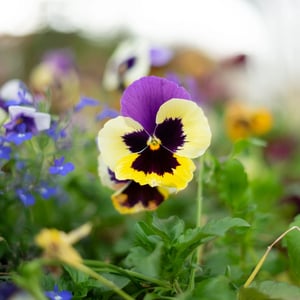
Tall, vigorous plants with bold 3-inch orange-red blooms that pollinators adore. Mexican sunflowers create an instant privacy screen. Annual. USDA Zones 2–11. Height: 4–6 feet. Full sun. Average, well-drained soil. Bloom season: mid-summer through fall. - ✓Pansy — orange varieties (Viola × wittrockiana)
Flat-faced flowers with "whisker" markings. Orange pansies like 'Orange Sun' brighten cool-season beds. Annual (or short-lived perennial). USDA Zones 4–8. Height: 6–9 inches. Full sun to part shade. Rich, moist, well-drained soil. Bloom season: spring and fall (heat-sensitive). - ✓Snapdragon (Antirrhinum majus)
Spiky racemes of hinged, mouth-shaped flowers. Orange snapdragon varieties add vertical interest to borders. Annual (perennial in mild zones). USDA Zones 7–10. Height: 12–36 inches. Full sun. Rich, well-drained soil. Bloom season: spring through fall. - ✓New Guinea impatiens (Impatiens hawkeri)
Large, glossy-leaved plants with flat-faced orange blooms that glow in shade gardens. Annual. USDA Zones 10–12 (grown as annual elsewhere). Height: 12–24 inches. Part shade to full shade. Rich, moist, well-drained soil. Bloom season: spring through fall.
Orange perennial flowers
- ✓Daylily (Hemerocallis) — Each trumpet-shaped bloom lasts only a day, but established clumps produce hundreds of flowers per season. Orange cultivars like 'Primal Scream' are showstoppers. Perennial. USDA Zones 3–9. Height: 12–48 inches. Full sun to part shade. Adaptable soil. Bloom season: late spring through summer.
- ✓Butterfly weed (Asclepias tuberosa) — Flat-topped clusters of tiny bright-orange flowers on stiff stems. Butterfly weed feeds monarch caterpillars and attracts dozens of pollinator species. Perennial. USDA Zones 3–9. Height: 18–36 inches. Full sun. Sandy, well-drained, lean soil. Bloom season: summer.
- ✓Blanket flower (Gaillardia) — Red-and-orange bicolor petals radiating from a dark center. Blanket flowers tolerate drought, heat, and poor soil. Perennial (some annual varieties). USDA Zones 3–10. Height: 12–24 inches. Full sun. Well-drained, lean soil. Bloom season: summer through fall.
- ✓Orange coneflower (Echinacea 'Tangerine Dream,' 'Orange Skipper') — Modern cultivars bring warm orange tones to the classic coneflower form. Orange coneflowers pair beautifully with ornamental grasses. Perennial. USDA Zones 4–9. Height: 24–36 inches. Full sun. Average, well-drained soil. Bloom season: summer through fall.
- ✓Black-eyed Susan (Rudbeckia hirta) — Golden-orange petals surrounding a dark cone. Some varieties like 'Cherokee Sunset' lean toward true orange. Perennial (often grown as annual). USDA Zones 3–7. Height: 24–36 inches. Full sun. Average, well-drained soil. Bloom season: summer through fall.
- ✓Red hot poker (Kniphofia) — Torch-shaped flower spikes in fiery orange-red gradients. Red hot pokers are hummingbird magnets and add dramatic vertical structure. Perennial. USDA Zones 5–9. Height: 24–48 inches. Full sun. Well-drained soil. Bloom season: late spring through summer.
- ✓Bird of paradise (Strelitzia reginae) — Exotic, crane-shaped blooms in orange and blue. Bird of paradise grows outdoors year-round only in frost-free zones. Perennial. USDA Zones 10–12. Height: 3–5 feet. Full sun to part shade. Rich, well-drained soil. Bloom season: late winter through spring (intermittent year-round).
- ✓Sneezeweed (Helenium autumnale) — Daisy-like flowers with fan-shaped, drooping petals in orange, rust, and gold. Sneezeweed thrives in moist meadow-style plantings. Perennial. USDA Zones 3–8. Height: 36–60 inches. Full sun. Average to moist soil. Bloom season: late summer through fall.
- ✓Geum 'Totally Tangerine' — Airy sprays of soft apricot-orange flowers on wiry stems. Geum 'Totally Tangerine' blooms longer than most geum varieties. Perennial. USDA Zones 5–9. Height: 24–30 inches. Full sun to part shade. Moist, well-drained soil. Bloom season: late spring through summer.
- ✓Chrysanthemum (Chrysanthemum × morifolium) — The quintessential fall flower. Orange mums come in decorative, cushion, and spider forms. Perennial. USDA Zones 5–9. Height: 12–36 inches. Full sun. Rich, well-drained soil. Bloom season: late summer through fall.
- ✓Lantana (Lantana camara) — Clusters of tiny tubular flowers that shift from yellow to orange to red as they age. Lantana blooms relentlessly in heat and drought. Perennial in warm zones, annual elsewhere. USDA Zones 8–11. Height: 12–72 inches. Full sun. Well-drained soil. Bloom season: spring through fall (year-round in frost-free areas).
- ✓Oriental poppy (Papaver orientale) — Crepe-paper petals up to 6 inches across with dark basal blotches. Orange is the classic color. Oriental poppies go dormant in summer. Perennial. USDA Zones 3–7. Height: 24–36 inches. Full sun. Well-drained soil. Bloom season: late spring to early summer.
- ✓Hummingbird hyssop (Agastache) — Spiky tubular flowers on aromatic foliage. Orange varieties like 'Acapulco Orange' attract hummingbirds and butterflies. Perennial. USDA Zones 5–10. Height: 18–36 inches. Full sun. Well-drained soil. Bloom season: summer through fall.
- ✓Lion's tail (Leonotis leonurus) — Tiered whorls of fuzzy, tubular orange flowers stacked along tall stems. Lion's tail creates an architectural statement. Perennial. USDA Zones 8–11. Height: 3–6 feet. Full sun. Well-drained soil. Bloom season: late summer through fall.
- ✓Crocosmia / Montbretia (Crocosmia) — Arching sprays of small, fiery-orange funnel flowers. Crocosmia 'Lucifer' leans red, but 'Emily McKenzie' is a true deep orange. Perennial (bulb/corm). USDA Zones 5–9. Height: 24–36 inches. Full sun to part shade. Moist, well-drained soil. Bloom season: mid to late summer.
- ✓Peruvian lily (Alstroemeria) — Streaked and speckled petals resembling miniature lilies. Peruvian lilies are exceptional cut flowers with a vase life of up to two weeks. Perennial. USDA Zones 7–10. Height: 12–36 inches. Full sun to part shade. Rich, well-drained soil. Bloom season: late spring through summer.
Orange flower bulbs
- ✓Tulip — orange varieties (Tulipa) — Elegant cup-shaped blooms in clear tangerine. 'Ballerina' features pointed, lily-shaped petals with a sweet fragrance. Bulb. USDA Zones 3–8. Height: 12–24 inches. Full sun. Well-drained, fertile soil. Bloom season: spring.
- ✓Tiger lily (Lilium lancifolium) — Recurved, spotted petals that bend backward like a turk's cap. Tiger lilies are tough, old-fashioned, and almost impossible to kill. Bulb. USDA Zones 3–9. Height: 36–48 inches. Full sun to part shade. Rich, well-drained soil. Bloom season: mid to late summer.
- ✓Crown imperial (Fritillaria imperialis) — A ring of drooping bell-shaped flowers crowned by a tuft of leaves at the top of a sturdy stem. Crown imperials make a dramatic spring statement. Bulb. USDA Zones 5–8. Height: 30–48 inches. Full sun to part shade. Rich, well-drained soil. Bloom season: mid-spring.
- ✓Dahlia (Dahlia) — Intricate, layered blooms ranging from dinnerplate-sized to tiny pompons. Orange dahlias like 'David Howard' combine dark foliage with warm peach-orange flowers. Tuberous root. USDA Zones 8–11 (lift tubers in colder zones). Height: 12–60 inches. Full sun. Rich, moist, well-drained soil. Bloom season: mid-summer through fall.
- ✓Gladiolus (Gladiolus) — Tall, sword-shaped flower spikes lined with trumpet blooms. Orange gladiolus varieties like 'Peter Pears' look stunning in cutting gardens. Corm. USDA Zones 7–10 (lift corms in colder zones). Height: 24–60 inches. Full sun. Rich, well-drained soil. Bloom season: summer.
- ✓Canna lily (Canna) — Broad, tropical-looking leaves topped by flashy orange blooms. Canna lilies add a bold, architectural feel to beds and containers. Rhizome. USDA Zones 7–11 (lift rhizomes in colder zones). Height: 3–6 feet. Full sun. Rich, moist soil. Bloom season: summer through fall.
- ✓Ranunculus / Persian buttercup (Ranunculus asiaticus) — Tissue-thin petals layered in tight rosettes. Orange ranunculus blooms look almost like tiny peonies. Corm. USDA Zones 8–11 (grow as annual or pre-chill elsewhere). Height: 12–18 inches. Full sun. Rich, well-drained soil. Bloom season: spring.
- ✓Tuberous begonia (Begonia × tuberhybrida) — Lush, rose-like blooms on trailing or upright stems. Tuberous begonias thrive in shade and produce non-stop orange flowers through summer. Tuber. USDA Zones 9–11 (grow as annual or lift tubers elsewhere). Height: 8–18 inches. Part shade to full shade. Rich, moist, well-drained soil. Bloom season: summer through fall.
- ✓Calla lily — orange varieties (Zantedeschia) — Sleek, funnel-shaped spathes in soft mango-orange tones. Orange calla lilies work beautifully in modern floral designs. Rhizome. USDA Zones 8–10. Height: 18–24 inches. Full sun to part shade. Rich, moist soil. Bloom season: late spring through summer.
Orange flowering shrubs and vines
- ✓Trumpet vine (Campsis radicans)
Vigorous, clinging vine producing clusters of large, tubular orange flowers. Trumpet vine attracts hummingbirds but can become invasive without regular pruning. Vine. USDA Zones 4–9. Height: 25–40 feet. Full sun. Average, well-drained soil. Bloom season: summer. - ✓Flowering quince (Chaenomeles)
Dense, thorny shrub with clusters of simple, cup-shaped blooms in early spring. Orange-flowered quince like 'Cameo' or 'Orange Storm' adds early-season warmth. Shrub. USDA Zones 5–9. Height: 3–10 feet. Full sun to part shade. Average, well-drained soil. Bloom season: early spring. - ✓Flowering maple (Abutilon)
Lantern-shaped, papery flowers dangling from maple-like leaves. Flowering maple grows quickly in containers and blooms nearly year-round in mild climates. Shrub (often grown as container plant). USDA Zones 9–11. Height: 3–10 feet. Part shade. Rich, well-drained soil. Bloom season: spring through fall (year-round indoors). - ✓Hibiscus — orange varieties (Hibiscus rosa-sinensis)
Huge, funnel-shaped tropical blooms up to 6 inches across. Orange hibiscus cultivars like 'Orange Flamingo' create a vacation vibe on patios. Shrub. USDA Zones 9–12. Height: 4–10 feet. Full sun. Rich, moist, well-drained soil. Bloom season: summer through fall (year-round in tropics). - ✓Rose — orange cultivars (Rosa)
Hybrid tea and floribunda roses in orange shades range from soft peach to deep copper. 'Mandarin Sunset' and 'Orange Crush' are popular picks. Shrub. USDA Zones 5–11 (varies by cultivar). Height: 3–6 feet. Full sun. Rich, well-drained soil. Bloom season: late spring through fall (repeat-blooming types). - ✓Mexican flame vine (Pseudogynoxys chenopodioides)
Fast-growing vine with small, daisy-like orange flowers and a light scent. Mexican flame vine blooms almost continuously in warm climates. Vine. USDA Zones 9–11. Height: 10–20 feet. Full sun. Average, well-drained soil. Bloom season: year-round in frost-free areas. - ✓Rock rose (Helianthemum)
Low, spreading sub-shrub with papery, saucer-shaped blooms. Orange rock rose varieties brighten rock gardens and dry slopes. Subshrub. USDA Zones 5–9. Height: 6–12 inches. Full sun. Sandy, well-drained soil. Bloom season: late spring through early summer.
Orange flowering trees
- ✓African tulip tree (Spathodea campanulata)
Massive clusters of tulip-shaped, bright orange-red flowers on a large tropical tree. African tulip trees bloom heavily in frost-free zones. Tree. USDA Zones 10–12. Height: 40–80 feet. Full sun. Rich, moist soil. Bloom season: intermittent year-round in tropics. - ✓Angel's trumpet (Brugmansia)
Large, pendulous trumpet flowers up to 12 inches long. Orange-peach varieties produce a heady evening fragrance. All parts are toxic. Tree/shrub. USDA Zones 9–12. Height: 6–20 feet. Full sun to part shade. Rich, moist, well-drained soil. Bloom season: summer through fall. - ✓Royal poinciana (Delonix regia)
A wide-spreading canopy covered in clusters of flamboyant orange-red flowers. Royal poinciana is one of the most spectacular flowering trees in warm climates. Tree. USDA Zones 10–12. Height: 30–50 feet. Full sun. Well-drained soil. Bloom season: late spring through summer. - ✓Red bird of paradise (Caesalpinia pulcherrima)
Open, airy shrub or small tree with orchid-like orange and red flowers. Red bird of paradise tolerates desert heat and poor soil. Shrub/small tree. USDA Zones 9–11. Height: 6–15 feet. Full sun. Well-drained soil. Bloom season: spring through fall.
Tall orange flower identification — what's that towering bloom?
You spot a striking orange flower rising above a fence or dominating the back of someone's garden bed. You want to know what it is — but you don't have a botanical degree. This section helps you identify the most common tall orange flowers grown in US gardens. Pay attention to bloom shape, leaf style, and growth habit.
- ✓Mexican sunflower (Tithonia rotundifolia)
Height: 4–6 feet. Look for large, 3-inch daisy-like blooms with vivid orange-red petals and a raised yellow center. The stems are thick and slightly fuzzy. The leaves are broad, slightly lobed, and velvety on the underside. Mexican sunflowers branch heavily and create a bushy silhouette. USDA Zones 2–11 (annual). - ✓Red hot poker (Kniphofia)
Height: 2–4 feet. Look for dense, bottlebrush-shaped spikes that taper to a point. The tubular flowers open from the bottom up, often fading from orange at the top to yellow at the base. The foliage is grass-like, narrow, and arching. Red hot pokers grow in tight clumps. USDA Zones 5–9. - ✓Canna lily (Canna)
Height: 3–6 feet. Look for large, iris-like blooms sitting atop thick stems wrapped in huge, paddle-shaped leaves. Canna foliage can be green, bronze, or striped. The overall growth habit is upright, lush, and tropical-looking. USDA Zones 7–11. - ✓Lion's tail (Leonotis leonurus)
Height: 3–6 feet. Look for tiered, globe-shaped whorls of fuzzy, tubular orange flowers spaced evenly along square stems. The whorls create a stacked, pagoda-like effect that's unmistakable. Leaves are lance-shaped and slightly aromatic. USDA Zones 8–11. - ✓Foxtail lily (Eremurus)
Height: 4–8 feet. Look for a single, towering spike densely packed with small, star-shaped flowers from bottom to top. The spike emerges from a rosette of strap-like basal leaves. Foxtail lilies create a dramatic exclamation point in the garden. I always find it fascinating that such a delicate-looking plant produces a flower stalk taller than most gardeners. USDA Zones 5–8. - ✓Crown imperial (Fritillaria imperialis)
Height: 30–48 inches. Look for a cluster of large, downward-hanging bell flowers arranged in a ring below a topknot of upright green leaves. The entire structure sits on a stout, bare stem. Crown imperials have a distinctive musky scent. USDA Zones 5–8. - ✓African tulip tree (Spathodea campanulata)
Height: 40–80 feet. Look for dense, upright clusters of large, tulip-shaped flowers at the tips of branches. Each bloom is about 4 inches across with ruffled edges and a golden-yellow throat. The compound leaves are large and glossy. You'll find these trees only in frost-free areas of Florida, Hawaii, and Southern California. USDA Zones 10–12. - ✓Trumpet vine (Campsis radicans)
Height: 25–40 feet (climbing). Look for clusters of trumpet-shaped orange flowers at the tips of new growth. Each flower is about 3 inches long with flared lobes. The vine clings to structures with aerial rootlets and has pinnately compound leaves with serrated leaflets. Trumpet vine is vigorous — almost too vigorous — and commonly seen climbing fences, mailboxes, and trees throughout the eastern US. USDA Zones 4–9.
By the way, if you spot a tall orange flower and can't match it to any description here, try noting whether the leaves are broad or narrow, whether the stem is smooth or fuzzy, and whether the flower faces up, out, or down. Those three details alone will help you narrow your search fast.

Best orange garden flowers by season
One of the smartest moves you can make is planning your orange garden flowers for continuous color from early spring through late fall — and even into winter if you live in a mild climate or grow plants indoors. Here's your season-by-season roadmap.
Spring orange flowers
Spring gives you some of the most delicate orange colored flowers of the year. Plant these in fall or late winter for blooms when the weather warms:
- ✓Tulips
Orange varieties like 'Ballerina' and 'Orange Emperor' bloom mid to late spring. - ✓California poppies
Direct-sow seeds in fall for early spring flowers. - ✓Ranunculus
Plant corms in late fall (mild zones) or late winter (cold zones) for spring blooms. - ✓Crown imperial
Plant bulbs in fall for a dramatic mid-spring display. - ✓Pansies
Orange pansies thrive in cool spring temperatures. - ✓Calendula
Sow seeds in early spring. Calendula prefers cool weather and may slow down in heat.
Summer orange flowers
Summer is peak season for orange flower types. Heat-loving varieties hit their stride and bloom for months:
- ✓Marigolds
The backbone of summer orange gardens. Marigolds bloom from transplant time until first frost. - ✓Zinnias
Fast-growing and prolific. Zinnias fill in gaps within weeks of sowing. - ✓Daylilies
Established clumps produce wave after wave of blooms in early to midsummer. - ✓Canna lilies
Bold tropical color from midsummer through fall. - ✓Dahlias
Orange dahlias start blooming in midsummer and peak in late summer. - ✓Mexican sunflower
Giant, pollinator-packed plants bloom from July onward. - ✓Nasturtium
Easy and edible. Nasturtiums bloom all summer in moderate heat. - ✓Bird of paradise
In warm zones, bird of paradise produces intermittent blooms through summer. - ✓Butterfly weed
June through August brings the classic monarch-magnet flowers. - ✓Blanket flower
Heat-tough and drought-tolerant. Blanket flowers bloom nonstop all summer.
Fall orange flowers
Fall is when orange truly owns the garden. These orange garden flowers carry you from September through the first hard freeze:
Chrysanthemums — The icon of fall. Orange mums peak from September through November.
Helenium (sneezeweed) — Late-summer into fall. Helenium's warm tones blend perfectly with the changing landscape.
Cosmos 'Cosmic Orange' — Compact plants bloom right up until frost.
Marigolds — Still going strong. Marigolds keep their color until a killing frost cuts them down.
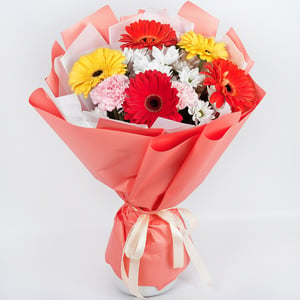
Try a gerbera bouquet
Bright orange gerberas, hand-arranged and delivered fresh today.