EUR
 GBP
 CAD
 AUD

 ✨Boss’s Day✨
 🍭Sweetest Day🍭
 Birthday
 Same Day
 Occasions
 Flowers
 Roses
 Plants
 Gifts
 International Flower Delivery
Hollyhock Flower Growing Guide
- 🌸 Hollyhocks thrive in USDA zones 3–8, reach 5 to 8 feet tall, and bloom mid-summer through early fall when you plant seeds about 9 weeks before your last frost date.
- 🌱 Most hollyhock varieties behave as biennials — foliage grows the first year, flowers appear the second — but self-sowing keeps them returning as perennial hollyhocks for years.
- 🪴 Give hollyhock plants full sun (6+ hours daily), well-drained soil, and shelter from wind; grow them in pots at least 16 inches deep or along fences and south-facing walls.
The hollyhock flower has graced American cottage gardens since the 1600s, when colonists carried seeds from Europe to the New World. You'll want this guide because hollyhocks reward even beginner gardeners with dramatic 5-to-8-foot flower spikes that bloom for weeks every summer. Whether you're growing hollyhocks from seed for the first time or troubleshooting a stubborn first-year hollyhock plant, this article walks you through every step — from planting to harvest. Stick around for the symbolism section, too. The meaning behind hollyhock flowers might surprise you.
What do hollyhocks look like?
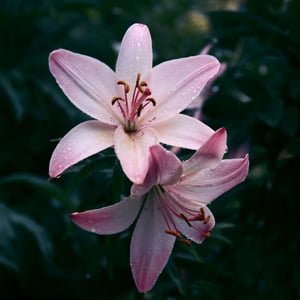
Hollyhock flowers grow on tall, sturdy stalks lined with lobed, maple-shaped leaves. Each stalk carries dozens of blooms that open from the bottom up. Single-petal varieties display 5 wide petals around a central staminal column. Double flower hollyhock types, like the Chater's Double series, look almost like peonies with ruffled, layered petals.
Colors? The range goes far. You'll find pink, red, white, yellow, salmon, apricot, and even deep maroon. The famous black hollyhock flower — variety 'Nigra' — actually produces a dark chocolate-maroon bloom that looks nearly black in shade. Leaves typically span 6 to 8 inches across and feel slightly rough.
The hollyhock plant belongs to the genus Alcea, family Malvaceae (the mallow family). Its botanical name, Alcea rosea, traces back to the Greek word alkea, meaning "to cure." Gardeners in over 60 countries grow hollyhocks today, but the plant likely originated in southwestern China.

Are hollyhocks perennials or annuals?
This question trips up many gardeners. Here's the honest answer: most hollyhock varieties grow as biennials. A biennial completes its life cycle across 2 years. During year one, the hollyhock plant produces a low rosette of leaves. During year two, the plant sends up a tall flower stalk, blooms, sets seed, and dies.
So are hollyhocks perennials? Technically, some cultivars do return for 3 or more years — especially Alcea rugosa (Russian hollyhock) and the 'Majorette' dwarf series. Gardeners in USDA zones 3 through 8 often treat hollyhocks as short-lived perennial hollyhocks because the plants self-sow aggressively. New seedlings pop up each spring, creating the illusion of a true perennial bed.
Quick classification breakdown:
- Biennial types: Chater's Double, Indian Spring, Summer Carnival
- Short-lived perennial types: Alcea rugosa, Majorette series
- Annual types: bred to bloom the first season from seed (e.g., 'Spring Celebrities')
A first-year hollyhock plant won't bloom — unless you start seeds indoors in January or February. That early start gives the plant enough time to flower by late summer of the same year.





Hollyhock meaning and symbolism
Hollyhock symbolism runs deep in multiple cultures. In the Victorian language of flowers, the hollyhock flower meaning centers on ambition, fruitfulness, and fertility. The tall, upward-reaching stalk explains the ambition connection — the plant literally reaches for the sky.
In Japan, hollyhocks carry political weight. The Tokugawa shogunate (1603–1868) adopted a hollyhock crest called Aoi no Gomon as its family emblem. The Aoi Matsuri festival in Kyoto, dating back over 1,400 years, still features hollyhock leaves in ceremonial decorations every May.
Hollyhock meaning also links to protection and the circle of life in European folk traditions. Medieval gardeners planted hollyhocks near doorways to ward off evil spirits. Christian symbolism tied the flower to the Crusades — soldiers reportedly carried hollyhock seeds home from the Holy Land.
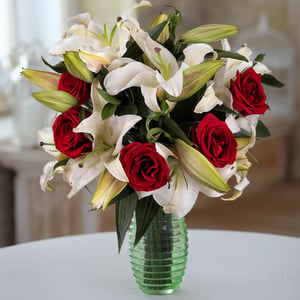
Want to gift hollyhock flowers? The gesture signals encouragement and admiration for someone's goals. That symbolism makes hollyhock bouquets fitting for graduations, promotions, or new business launches.
When to plant hollyhock seeds
Timing matters more than you'd think. Hollyhock seeds need roughly 9 weeks of indoor growth before transplanting outdoors. Here's a planting calendar for common U.S. zones:
| USDA Zone | Last frost (average) | Start seeds indoors | Transplant outdoors |
|---|---|---|---|
| 3–4 | Mid-May | Early March | Late May |
| 5–6 | Mid-April | Mid-February | Early May |
| 7–8 | Late March | Late January | Mid-April |
You can also direct-sow hollyhock seeds outdoors after your last frost date. Direct-sown seeds germinate in 10 to 14 days when soil temperatures reach 60°F (15.5°C).
Another option: sow seeds in late summer (August or September). Fall-planted hollyhock seeds establish roots before winter and bloom the following summer. Many experienced gardeners prefer this method because it follows the plant's natural biennial rhythm.
How to plant hollyhock seeds step by step
Planting hollyhock seeds takes minimal equipment. Grab seed-starting trays, quality potting mix, and a spray bottle.
Indoor sowing
- Fill trays with moist seed-starting mix to ¼ inch below the rim.
- Press 2 hollyhock seeds into each cell, barely covering them with ⅛ inch of soil.
- Mist the surface with a spray bottle — avoid heavy watering.
- Place trays under grow lights or in a sunny window that receives 6+ hours of light.
- Keep soil temperature between 65°F and 70°F (18–21°C).
- Expect sprouts within 10 to 14 days.
- Thin seedlings to 1 per cell once the first true leaves appear.
- Harden off seedlings over 7 days before transplanting.
Outdoor direct sowing
- Loosen soil to 12 inches deep and mix in 2 inches of compost.
- Scatter hollyhock seeds on the surface and press gently.
- Cover seeds with no more than ¼ inch of fine soil.
- Water lightly every day until germination occurs.
- Thin seedlings to 18–24 inches apart once they reach 3 inches tall.
Hollyhock seeds stay viable for about 3 years when you store them in a cool, dry place. A paper envelope inside a sealed jar with a silica packet works well.
Where to plant hollyhocks
Hollyhock flowers perform best in locations that meet 4 key conditions:
- Full sun — 6 to 8 hours of direct sunlight daily
- Well-drained soil — pH between 6.0 and 8.0
- Wind protection — a fence, wall, or building blocks gusts from snapping tall stalks
- Good air circulation — space plants 18 to 24 inches apart to reduce fungal disease
Do hollyhocks need full sun? Yes. Plants that receive fewer than 6 hours of direct sun produce fewer blooms and weaker stems. Can hollyhocks grow in shade? Partial shade (4–6 hours of sun) keeps plants alive, but flowering drops noticeably. Deep shade kills most hollyhock varieties within a season.
South-facing walls and fences create an excellent microclimate. The wall reflects heat, radiates warmth at night, and shields stalks from north winds. Many gardeners in USDA zones 5 and 6 use this trick to extend the bloom season by 2 to 3 weeks.
Growing hollyhocks from seed: first-year expectations
Your first-year hollyhock plant will look underwhelming. That's completely normal. Expect a low rosette of large, fuzzy leaves about 12 inches across. No flowers. No tall stalk. Just leaves.
The plant spends year one building a strong taproot that can extend 12 inches or deeper into the soil. That taproot stores energy for the spectacular bloom display in year two.
Here's what to do during the first growing season:
- Water deeply once per week — about 1 inch of water total
- Apply a 2-inch layer of mulch around the base (keep mulch 2 inches from the stem)
- Feed once in late spring with balanced 10-10-10 fertilizer at half strength
- Watch for hollyhock rust (orange pustules on leaf undersides) and remove affected leaves promptly
Want blooms the first year? Start seeds indoors in January. Transplant seedlings outdoors after the last frost. Some varieties, especially 'Spring Celebrities' and annual hollyhock cultivars, flower within 5 to 6 months from seed.
How tall do hollyhocks grow?
Standard hollyhock plants reach 5 to 8 feet tall. Some specimens hit 9 feet in rich soil with steady moisture. That height makes hollyhocks one of the tallest common garden flowers in the United States.
Dwarf varieties tell a different story:
- Majorette series: 24 to 30 inches tall, double flowers
- Queeny series: 20 to 24 inches tall, double flowers
- Spring Celebrities: 30 to 36 inches tall, first-year blooms
Tall varieties almost always need staking. Bamboo stakes or metal peony rings prevent stems from toppling during summer thunderstorms. Install stakes early — pushing a stake through a mature root system damages the taproot.
Looking for flower arrangements?
Browse flower arrangements from local florists and pick one that suits the moment.
How long do hollyhocks bloom?
Hollyhock flowers bloom for 4 to 8 weeks, typically from mid-June through August in most U.S. zones. Individual flowers last 2 to 3 days each. Because dozens of buds line each stalk and open sequentially from bottom to top, the overall display stretches across several weeks.
You can extend bloom time with a simple technique: cut spent flower stalks before they set seed. The plant often sends up secondary shoots that bloom in late August or early September. Gardeners in zones 7 and 8 sometimes enjoy hollyhock color well into October using this method.
A healthy hollyhock stalk carries 50 to 100 individual blossoms. Multiply that by 4 or 5 stalks per mature plant, and a single hollyhock can produce 200 to 500 blooms in one season.
Hollyhock care throughout the season
Hollyhock care follows a seasonal rhythm. Here's a month-by-month breakdown for zones 5–7 (adjust by 2–3 weeks for zones 3–4 or 7–8):
Spring (March – May)
- Remove winter mulch once soil temperatures hit 50°F
- Side-dress established plants with compost — about 1 cup per plant
- Scout for hollyhock rust beginning in April
- Stake tall varieties when stems reach 18 inches
Summer (June – August)
- Water at the base — never overhead — to prevent fungal diseases
- Deadhead spent blooms to encourage new buds
- Apply liquid fertilizer (5-10-5) once per month during active blooming
- Check for Japanese beetles and handpick them in early morning when the insects move slowly
Fall (September – November)
- Allow a few seed pods to mature on plants you want to self-sow
- Cut stalks to 6 inches above ground after the first hard frost
- Apply 3 inches of mulch over the crown in zones 3–5 for winter protection
- Label plant locations — dormant hollyhocks vanish completely underground
Common pests and diseases
Hollyhock rust (Puccinia malvacearum) tops the trouble list. Orange or brown pustules appear on leaf undersides, usually by mid-summer. The Illinois Extension recommends removing infected leaves immediately, spacing plants widely, and avoiding overhead watering. Fungicides containing chlorothalonil or myclobutanil treat severe infections.
Japanese beetles chew ragged holes in flowers and leaves. Spider mites strike during hot, dry spells. Slugs target seedlings in spring. A dawn patrol with a flashlight catches slugs most effectively.
Do hollyhocks spread?
Yes — hollyhocks spread through self-sowing. A single plant drops hundreds of seeds in late summer. Those seeds germinate the following spring, often 2 to 5 feet from the parent plant. Over 3 to 4 years, a small planting can colonize an entire border.
Hollyhocks do not spread through underground runners or rhizomes. Each plant grows from a single taproot. You control the spread easily: snip seed pods before they open, or pull unwanted seedlings in spring when the soil stays soft.
Some gardeners love the wild, self-sown look. Others prefer tidy beds. The choice depends on your garden style. Just know that hollyhock flowers spread only by seed, never by root.
Can hollyhocks grow in pots?
Hollyhocks in pots? Absolutely — with the right setup. Dwarf varieties like Majorette and Queeny thrive in containers. Standard tall types struggle because their deep taproots need more room than most pots offer.
Container requirements for hollyhocks:
- Minimum pot depth: 16 inches (dwarf varieties) or 24 inches (standard varieties)
- Minimum pot width: 14 inches
- Drainage holes: at least 3 on the bottom
- Soil: mix equal parts potting soil, perlite, and compost
- Watering: daily during summer — containers dry out 3 times faster than garden soil
Place potted hollyhocks against a sunny south-facing wall. The reflected warmth mimics the garden conditions the plant prefers. Feed container-grown hollyhocks every 2 weeks with liquid fertilizer during the growing season — nutrients leach from pots much faster than from garden beds.
One important note: hollyhocks in pots need winter protection in zones 3–6. Move containers to an unheated garage or wrap the pot with bubble insulation once nighttime temperatures dip below 25°F (−4°C).
How to harvest hollyhock seeds
Harvesting hollyhock seeds saves money and preserves your favorite colors. Wait until seed pods turn brown and papery — typically 6 to 8 weeks after a flower blooms.
Seed harvest steps:
- Snap brown, dry seed pods from the stalk by hand.
- Crack pods open over a paper plate.
- Separate flat, round seeds (about ¼ inch across) from the chaff.
- Spread seeds on a paper towel and dry them for 5 to 7 days indoors.
- Store seeds in labeled paper envelopes inside an airtight container.
- Add a small silica gel packet to absorb moisture.
- Keep the container in a refrigerator at 35–40°F (2–4°C).
Each seed pod holds 15 to 25 seeds. One hollyhock stalk can produce over 200 seeds. That's plenty for sharing with neighbors or filling an entire new garden bed.
Properly stored hollyhock seeds stay viable for up to 3 years. Germination rates drop from about 75% in the first year to around 50% by year three.
Double flower hollyhock varieties worth growing
Double flower hollyhock cultivars produce the showiest, most densely petaled blooms. Several stand out for American gardens:
- Chater's Double Mix — reaches 6 to 8 feet, available in red, pink, salmon, white, yellow, and violet
- Majorette Double Mix — a dwarf at 24 to 30 inches, perfect for containers and small spaces
- Peaches 'n' Dreams — 5 to 6 feet, soft peach-pink ruffled flowers introduced in 2015
- Spring Celebrities — 30 to 36 inches, blooms the first year from seed in as few as 5 months
- Queeny Purple — compact at 20 to 24 inches, deep violet double blooms
Double hollyhock flowers last slightly longer than single types because the extra petals protect the reproductive center from sun and rain damage. However, pollinators like bumblebees access double blooms less easily. Plant a mix of singles and doubles to support your local pollinator population.
Hollyhocks for specific occasions and holidays
Hollyhock flowers connect to several American traditions and gift-giving moments:
Memorial Day (late May): Hollyhock seedlings make thoughtful gifts for gardeners honoring a loved one. Red and white varieties pair naturally with patriotic garden themes.
Mother's Day (second Sunday of May): A potted hollyhock — especially a blooming dwarf variety — gives months of enjoyment compared to a cut bouquet.
Fourth of July: Red, white, and blue garden schemes benefit from red and white hollyhock flowers alongside blue delphiniums or bachelor's buttons.
Housewarming gifts: A packet of hollyhock seeds says "put down roots." Pair the seeds with a handwritten planting guide for a personal touch.
Teacher appreciation (first week of May): Victorian-era symbolism links hollyhocks to ambition and achievement — a fitting message for educators.

Common mistakes when growing hollyhocks
Even experienced gardeners stumble with hollyhock plants. Avoid these pitfalls:
Overwatering seedlings. Hollyhock roots rot in soggy soil. Water deeply but infrequently — once per week during normal weather, twice during heat waves above 95°F.
Planting too close together. Cramped hollyhocks develop rust faster. Keep 18 to 24 inches between plants. That gap feels excessive when seedlings are small, but mature plants fill the space quickly.
Ignoring rust symptoms. Orange spots on leaf undersides won't heal on their own. Remove infected foliage immediately. Bag and trash the leaves — never compost them. Rust spores survive in compost piles.
Skipping the stake. Wind snaps unsupported stalks, especially after rain adds weight to blooms. Stake plants when stems reach 18 inches, not after the damage occurs.
Expecting flowers in year one. Standard biennial hollyhock varieties won't bloom until the second summer. Planting annual cultivars or starting seeds indoors in January avoids this frustration.
Removing all seed pods. Deadheading extends bloom, but leaving zero pods means zero self-sown replacements next spring. Let 2 to 3 stalks per plant go to seed.
Your hollyhock season starts now
Hollyhock flowers have decorated gardens for centuries, and the reason stays simple: few plants match their dramatic height, color range, and cottage-garden charm. A single packet of hollyhock seeds — typically under $5 — can fill a border for years through self-sowing.
My advice? Start small. Plant 6 to 8 seeds this season along a sunny fence or wall. Accept the leaf-only first year. Come next summer, those 8-foot towers of color will reward your patience in a way few garden plants can match.
What color hollyhock would you plant first?
Send flowers today
Choose a bouquet, add a message, and a local florist hand-delivers it.