 EUR
EUR
 GBP
GBP
 CAD
CAD
 AUD
AUD

 ✨Boss’s Day✨
 Birthday
 Occasions
 Same Day
 Flowers
 Roses
Roses
 Plants
 Gifts
Gifts
 International Flower Delivery
Larkspur flower: meaning, symbolism, and your guide to July's birth bloom
Larkspur flower carries over 400 years of symbolic history and remains one of the most requested summer blooms across the United States. You want a flower that speaks volumes — larkspur does exactly that. The genus Consolida includes roughly 40 species, and each larkspur color tells a distinct story. Whether you celebrate a July birthday or simply love tall, dramatic spikes of color, this guide walks you through everything worth knowing before you choose your next arrangement.
What does the larkspur flower mean?
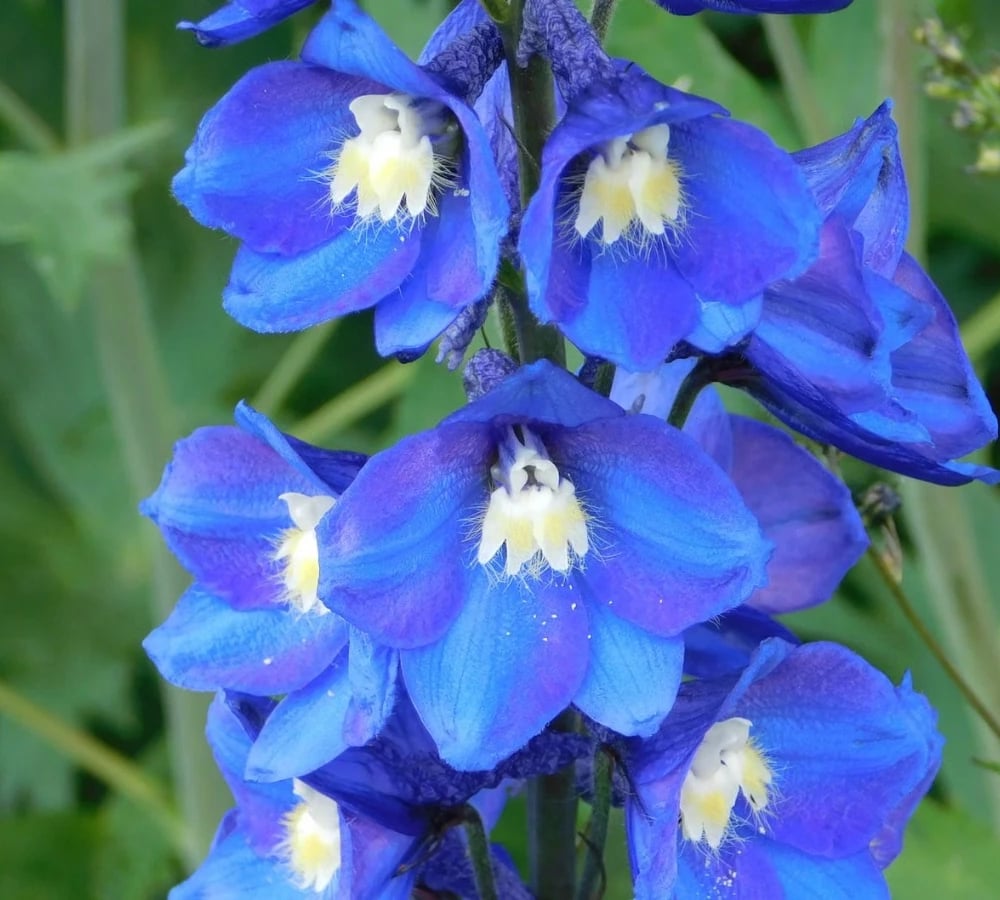
Larkspur flower meaning shifts depending on whom you ask — and which century you reference. Victorian-era flower dictionaries assigned larkspur the meaning of "an open heart" and "ardent attachment." Today, people across the U.S. gift larkspur to express joy, love, or encouragement. The name itself comes from the flower's spur-shaped petal, which resembles a lark's claw. That small detail shaped centuries of folklore.
Greek mythology ties larkspur to the story of Ajax. According to the tale, larkspur sprouted from Ajax's blood after his death during the Trojan War. Ancient Greeks read the petal markings as the letters "AI," a cry of grief. That mythological weight gives larkspur a dual nature: celebration and remembrance.
Larkspur as July's birth flower
Larkspur holds the title of July birth flower in both American and British floral calendars. The tradition dates back to at least the early 1900s, when publishers began printing monthly birth flower lists. A July larkspur bouquet makes a thoughtful birthday gift — one that carries more personal weight than a generic mixed arrangement.
Why does July claim larkspur? Peak bloom time. Most larkspur varieties reach full flower between late June and mid-August across USDA Hardiness Zones 2 through 10. The timing aligns perfectly with July celebrations, from Independence Day gatherings on July 4 to summer weddings.
You can pair larkspur with water lilies, July's secondary birth flower, for a gift that covers both traditional picks.
Larkspur flower colors and what each one symbolizes
Larkspur flower colors range far beyond the classic blue-purple most people picture. Each shade carries a specific emotional message. Here's your breakdown:
| Color | Symbolic meaning | Best occasion |
|---|---|---|
| Purple | First love, royalty | New relationships, prom season |
| Blue | Dignity, grace | Graduations, milestone birthdays |
| Pink | Fickleness, youthful energy | Baby showers, lighthearted celebrations |
| White | Purity, happiness | Weddings, sympathy arrangements |
| Red | Passion, deep love | Anniversaries, Valentine's Day |
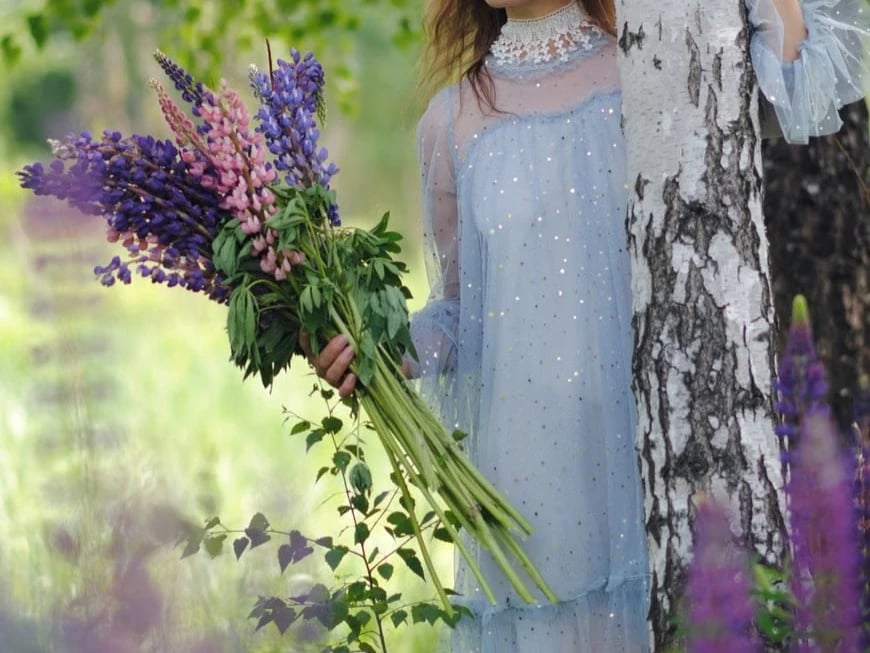
Blue and purple varieties dominate the U.S. market. Cultivars like 'Cobalt Dreams' and 'Blue Guardian' produce spikes that reach 3 to 5 feet tall, creating vertical drama in any bouquet or garden bed.
Delphinium vs. larkspur: how to tell them apart
The question "is larkspur the same as delphinium?" appears in thousands of Google searches every month. Short answer: no. Long answer: taxonomy made this confusing on purpose.
Both plants belong to the family Ranunculaceae. Botanists originally grouped all species under the genus Delphinium. In the 1960s, taxonomists reclassified annual species into the separate genus Consolida. That split created the modern distinction: larkspur refers to annual Consolida species, while delphinium refers to perennial Delphinium species.
Here's how you spot the difference in person:
- Larkspur grows as an annual and completes its life cycle in one growing season
- Delphinium returns as a perennial and survives multiple winters in Zones 3 through 7
- Larkspur produces a single fused spur behind each blossom
- Delphinium displays two separate spurs per flower
- Larkspur leaves branch into fine, needle-like segments
- Delphinium leaves form broader, palm-shaped lobes
Nurseries and florists still use both names loosely. 'Blue Butterfly Larkspur' technically belongs to the Delphinium genus. Always check the Latin name on the tag before you buy.
Looking for a July birthday bouquet?
Browse birthday arrangements from local florists and pick a palette that suits the person you have in mind.
How to choose larkspur for your arrangement or garden
Larkspur flower works in two settings: cut arrangements and garden beds. Your goal determines which variety fits best.
For cut flower arrangements
Florists prize larkspur for its vertical height. A single stem can measure 24 to 48 inches, which adds structure to centerpieces and tall vase displays. 'Giant Imperial' cultivars produce dense flower spikes in 8+ colors. You get roughly 7 to 10 days of vase life when you cut stems early in the morning and place them in cool water immediately.
Pro tip: strip all foliage below the waterline. Larkspur leaves decay fast and cloud the water within 48 hours.
For garden planting
Larkspur seeds need cold stratification to germinate well. Gardeners in USDA Zones 7 through 10 sow seeds outdoors in fall, between September and November. Gardeners in Zones 2 through 6 sow in early spring, as soon as the soil reaches 55°F. Direct sowing outperforms transplanting — larkspur roots resent disturbance.
Space plants 10 to 12 inches apart. Full sun produces the strongest stems. Larkspur tolerates light shade but tends to lean and flop without 6+ hours of direct sunlight.
Common mistakes when buying or growing larkspur
Avoid these pitfalls. They cost you time, money, or both.
- ✗Confusing annual larkspur with perennial delphinium at the nursery — check the genus on the plant label
- ✗Overwatering established plants — larkspur prefers well-drained soil and tolerates mild drought
- ✗Planting too late in warm climates — Zone 8 and 9 gardeners lose plants to summer heat above 90°F
- ✗Ignoring toxicity — every part of the larkspur plant contains alkaloids toxic to humans, dogs, and cattle
That toxicity note matters. The ASPCA lists larkspur as poisonous to dogs, cats, and horses. Keep cut stems away from pets, and wear gloves when handling fresh plant material.
Popular larkspur varieties worth exploring
'Giant Imperial' mix
This classic larkspur mix reaches 3 to 4 feet tall and blooms in shades of blue, pink, white, and lavender. 'Giant Imperial' works well as a cut flower and produces abundant stems for bouquets. Most seed packets contain around 200 seeds and cost between $3 and $5.
'Blue Cloud' delphinium-type
Technically a Consolida species, 'Blue Cloud' produces airy, branching sprays of soft blue flowers. Stems grow 30 to 36 inches tall. Floral designers love 'Blue Cloud' for loose, natural-style arrangements.
'Earl Grey'
This unusual variety opens smoky purple-gray blooms that darken as temperatures drop. 'Earl Grey' matures at 36 to 42 inches and stands out in mixed cottage-garden borders alongside zinnias and sunflowers.
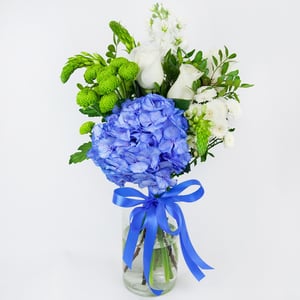
Caring for cut larkspur flowers
You ordered a bouquet featuring larkspur — now keep the stems looking fresh. Follow these steps:
- Trim 1 inch off each stem at a 45-degree angle before placing the stems in a vase
- Fill the vase with cool water and add the included flower food packet
- Change the water every 2 days to prevent bacterial growth
- Display the arrangement away from direct sunlight and ripening fruit
- Remove individual florets as they wilt — bottom blooms fade first on larkspur spikes
Larkspur also dries beautifully. Hang stems upside down in a dark, dry room for 2 to 3 weeks. Dried larkspur retains most of its original color for 12+ months.
When to send larkspur flowers
Larkspur fits more occasions than most people realize. July birthdays top the list — the larkspur birth flower tradition makes any July arrangement feel personal. Beyond birthdays, consider larkspur for graduation celebrations, bridal bouquets, and sympathy tributes. White larkspur works especially well in memorial displays.
Timing matters for delivery. Peak larkspur season in the U.S. runs from May through August. During those months, local florists stock fresh larkspur stems regularly. Off-season orders may feature imported stems or high-quality dried alternatives.
Larkspur rewards you twice: once in the garden and again in the vase. Few flowers carry this much history, color range, and seasonal significance in a single stem. Explore the larkspur options available through your favorite florist, and let a July bloom do the talking for your next occasion.
Send a July birthday bouquet
Choose an arrangement, add your message, and let a local florist hand-deliver it fresh.
Frequently asked questions
Why do people call larkspur the July flower?▾
Larkspur earns its status as the July birth flower because the plant reaches peak bloom during midsummer. Historical birth flower charts from the early 1900s cemented the July-larkspur connection across Western cultures.
Can I grow larkspur indoors in a pot?▾
Larkspur struggles indoors. The plant needs full sun, cool nighttime temperatures around 50–55°F, and a deep taproot system that most containers restrict. Outdoor garden beds or large raised planters produce far better results.
Are delphinium and larkspur safe around children?▾
No. Both plants contain toxic alkaloids, including delphinine and ajacine. The ASPCA and Poison Control classify all plant parts as poisonous. Keep cut stems and garden plants out of reach of young children and pets.
How long does larkspur last in a vase?▾
Fresh-cut larkspur lasts 7 to 10 days with proper care. Clean water, a 45-degree stem cut, and a cool display location maximize vase life. Removing spent florets daily keeps the arrangement looking crisp.
What flowers pair well with larkspur in a bouquet?▾
Garden roses, peonies, snapdragons, and stock complement larkspur beautifully. All four share a similar cottage-garden aesthetic. For a strictly July-themed bouquet, combine larkspur with water lilies or sunflowers — both peak during the same summer window.