EUR
 GBP
 CAD
 AUD

 Birthday
 Same Day
 Occasions
 Flowers
 Roses
 Plants
 Gifts
 International Flower Delivery
Sweet Pea Meaning and Symbolism
- 🌸 Sweet peas symbolize gratitude, gentle goodbyes, and blissful pleasure — and they double as the official birth flower for April.
- 🎨 Each color carries a distinct message: pink says "thank you," white signals purity, red conveys passion, and purple points to royalty or spiritual depth.
- ✂️ Cut sweet peas last 5–7 days in a vase when you trim stems daily, swap water every 24 hours, and keep blooms away from direct sunlight.
Sweet pea flower meaning centers on gratitude, tender goodbyes, and blissful pleasure — three emotions packed into a bloom barely 2 inches wide. Knowing what sweet peas stand for helps you pick the right flower for a thank-you gift, a farewell bouquet, or an April birthday. A Sicilian monk named Father Franciscus Cupani first documented the wild sweet pea (Lathyrus odoratus) in 1699, and by the late 1800s, Scottish nurseryman Henry Eckford had bred over 250 cultivars. That history matters because the sweet pea meaning you send today carries centuries of cultural weight. Here's everything behind those ruffled petals.
A short history of the sweet pea
Sweet pea symbolism starts on the island of Sicily. Father Franciscus Cupani, a Franciscan monk and botanist, sent seeds of the wild sweet pea to England in 1699. The original flower had small, deep-purple petals and a strong honey-like scent.
Henry Eckford, a Scottish horticulturist working in Shropshire, England, changed everything. Between 1870 and 1900, Eckford introduced roughly 115 new sweet pea varieties through careful cross-pollination. His grandiflora types won multiple Royal Horticultural Society awards.
Then came Silas Cole. In 1901, Cole — head gardener at Althorp Park, the Spencer family estate — noticed a natural mutation with larger, waved petals. That variety, called "Countess Spencer," launched the Spencer sweet pea class. Spencer types still dominate American seed catalogs today.
By the early 1900s, the sweet pea had become the most popular flower in England. King Edward VII reportedly called the sweet pea "the Queen of Annuals." That nickname stuck.

What do sweet peas symbolize?
Sweet pea symbolism touches several emotions at once. Let's break down the core meanings.
Gratitude and appreciation
Victorians gave sweet peas to say "thank you for a lovely time." The gesture linked directly to the flower's fleeting bloom — sweet peas typically flower for only 4–6 weeks during late spring and early summer. The short lifespan made each bloom feel precious, reinforcing the message of genuine gratitude.
Goodbye and departure
Sweet peas also carry a bittersweet farewell. In the Victorian language of flowers (floriography), giving sweet peas at a departure meant "thank you for the memories." Graduation parties, going-away gatherings, and military send-offs all call for sweet peas when you want to express warmth without heaviness.
Blissful pleasure
The French phrase plaisir délicat (delicate pleasure) comes up often in 19th-century floral dictionaries beside the sweet pea entry. The scent triggers that association — sweet peas produce a fragrance profile combining honey, orange blossom, and jasmine notes. Perfumer Floris London created a sweet pea fragrance in 1908 that remains in production today.
Friendship and kindness
Beyond romance, sweet pea meaning extends to platonic bonds. Sending a mixed-color bunch of sweet peas tells a friend "I value you." No romantic undertone required.
Sweet pea color meanings
Color changes the message. Here's what each shade communicates.
Pink sweet peas
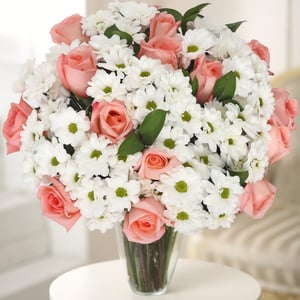
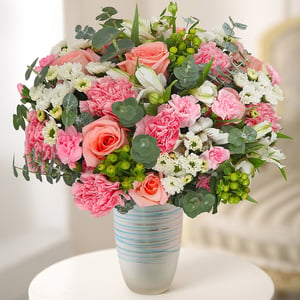
Pink sweet peas express tenderness, appreciation, and gentle affection. Florists across the U.S. pair pink sweet peas with peonies and garden roses for Mother's Day arrangements — a strong choice for the second Sunday in May.
White sweet peas
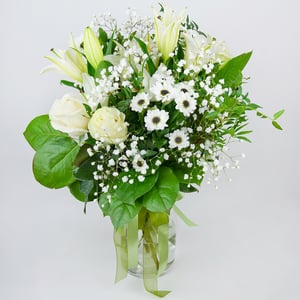
White sweet peas stand for purity, innocence, and remembrance. Wedding designers frequently weave white sweet peas into bridal bouquets and ceremony arches. White sweet peas also appear in sympathy arrangements, adding softness without overwhelming color.
Purple sweet peas
Purple sweet peas signal royalty, dignity, and spiritual awareness. Fun detail: the original wild sweet pea Cupani documented in 1699 bloomed in deep purple. Purple remains the "ancestral" color of the species.
Red sweet peas
Red sweet peas communicate desire, passion, and courage. Red sweet peas pop up in Valentine's Day mixed bouquets as an unexpected alternative to roses. A single stem tucked into a rose arrangement adds texture and fragrance.
Lavender and blue sweet peas
Lavender sweet peas suggest calm, grace, and enchantment. True blue sweet peas don't exist naturally — most "blue" varieties lean violet or periwinkle. Breeders have chased a true blue sweet pea for over a century without success.
Sweet pea symbolism across cultures
- Sweet pea meaning shifts depending on where you stand geographically.
- Victorian England turned sweet peas into coded thank-you notes. A hostess might receive a posy of sweet peas the morning after a dinner party.
- France linked sweet peas to sensory pleasure. French floral dictionaries from the 1820s placed sweet peas under plaisir rather than amour.
Japan adopted sweet peas enthusiastically during the 20th century. Today, Japan grows over 100 million stems of sweet peas annually, and the country hosts several sweet pea festivals each spring. Japanese breeders developed heat-tolerant cultivars that bloom in warmer climates — a practical breakthrough for growers in southern U.S. states like Georgia, Texas, and Florida.
In the United States, sweet peas hold a special place as the April birth flower. If someone you care about has an April birthday, sweet peas carry personal relevance beyond their general symbolism.
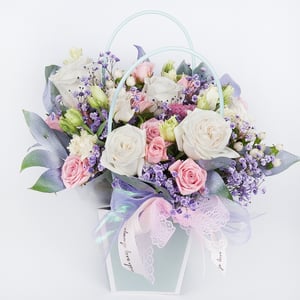
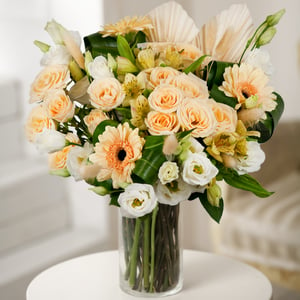
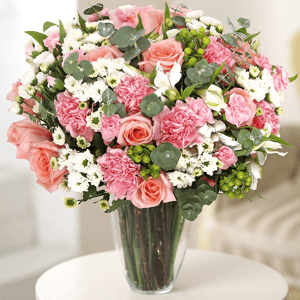
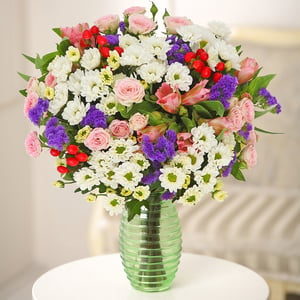
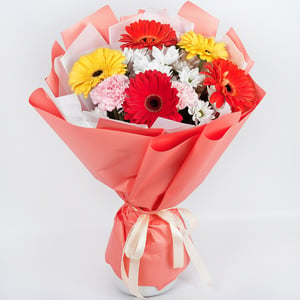
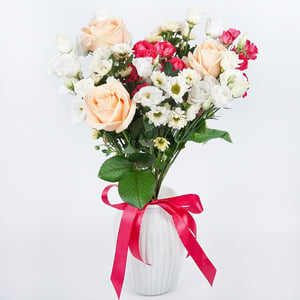
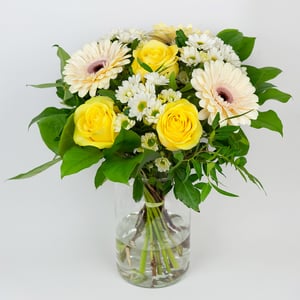
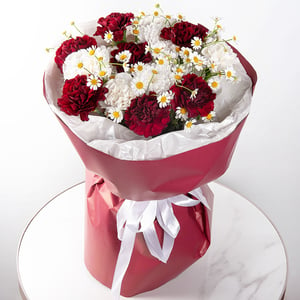
Looking for sweet pea-style blooms?
Browse arrangements from local florists and pick one that suits the occasion.
When to give sweet peas
- Choosing the right occasion makes any flower gift land better. Sweet peas work well for specific moments.
- April birthdays — Sweet peas serve as the official birth flower for April, making them a thoughtful, personalized choice.
- Thank-you gestures — A bunch of pink or mixed sweet peas says "I appreciate you" with zero ambiguity.
- Farewell parties — The sweet pea's historical link to departure fits going-away events, retirements, and graduations.
- Mother's Day (second Sunday of May) — Pink sweet peas pair beautifully with peonies, which peak in May across most U.S. zones.
- Sympathy and memorial moments — White sweet peas add quiet grace to arrangements without the starkness of lilies.
- Friendship celebrations like Galentine's Day (February 13) — Pastel sweet peas in lavender and pink celebrate platonic love.
How to care for cut sweet peas
Sweet peas look delicate because they are delicate. Give them proper attention, and you'll enjoy blooms for 5–7 days. Skip a step, and they wilt within 48 hours.
Step-by-step care
- Trim each stem at a 45-degree angle before placing sweet peas in water.
- Fill the vase with cool, fresh water — not ice-cold, not lukewarm.
- Remove any leaves that sit below the waterline to prevent bacterial growth.
- Change the water every 24 hours and re-trim stems by about half an inch each time.
- Place the vase away from direct sunlight, heating vents, and fruit bowls (ripening fruit releases ethylene gas, which speeds wilting).
Climate tips for the U.S.
Summers in states like Arizona, Texas, and Florida push indoor temperatures high even with air conditioning. Keep your sweet pea vase in the coolest room of the house — a spot that stays near 65–68°F works best. Avoid placing flowers directly beneath A/C vents; the draft dehydrates petals fast.
In humid climates like the Southeast, change water twice a day during peak summer. Humidity feeds bacteria, and bacteria kills cut flowers faster than heat does.

Growing sweet peas at home
Plenty of Americans grow sweet peas in their own gardens. Here's a practical overview.
Planting basics
Sweet peas thrive in USDA hardiness zones 2–11 as annuals. Gardeners in zones 7–11 sow seeds in late fall (October through November) for spring blooms. Gardeners in zones 2–6 plant seeds outdoors 4–6 weeks before the last frost date — typically in March or early April.
Growing conditions
- Soil temperature: 55–65°F at sowing time
- Sun exposure: 6+ hours of direct sunlight daily
- Support structure: Sweet peas climb using tendrils, so provide a trellis, fence, or netting at least 5–6 feet tall
- Watering schedule: 1 inch of water per week, keeping soil evenly moist but not waterlogged
Common mistakes gardeners make
- Skipping seed soaking. Sweet pea seeds have a hard outer coat. Soak seeds in room-temperature water for 8–12 hours before planting to speed germination.
- Planting too late. Sweet peas hate heat. Soil temperatures above 75°F stunt growth and reduce flowering. In warm states, plant early and enjoy blooms before summer arrives.
- Forgetting to pinch. When seedlings reach 4–6 inches tall, pinch the growing tip. Pinching forces side shoots to develop, and more shoots mean more flowers.
- Ignoring deadheading. Sweet peas stop blooming once they set seed pods. Snip spent flowers every 2–3 days to keep new buds forming throughout the season.

Sweet pea fun facts you probably didn't know
- Henry Eckford bred roughly 115 sweet pea varieties during his career — earning the nickname "Father of the Sweet Pea."
- The National Sweet Pea Society, founded in England in 1900, still hosts annual competitions for the best blooms.
- Sweet peas belong to the legume family (Fabaceae), making them botanical cousins of chickpeas and lentils.
- All parts of the sweet pea plant contain a toxin called beta-aminopropionitrile. Keep sweet pea flowers away from pets and small children, and never confuse ornamental sweet peas with edible peas.
- A single sweet pea vine can produce up to 50 flower stems in one growing season under good conditions.
Why sweet pea meaning still matters today
The sweet pea flower meaning hasn't faded since Father Cupani's 1699 letter. Gratitude, goodbye, and gentle joy — those emotions don't go out of style. What has changed? Access. You can now order sweet pea arrangements from local florists across the U.S. and have them hand-delivered the same day in many cities.
Think about the last time someone gave you flowers that actually matched the moment. That's the power of knowing what a bloom means before you choose it. Next time you need a gift for an April birthday, a farewell, or a simple "I'm grateful for you," consider sweet peas. The fragrance alone will make the gesture memorable — and the symbolism makes it meaningful.
What occasion would you send sweet peas for? If you've grown or gifted them before, share your experience — and browse our collection for fresh ideas.
Send flowers today
Choose your bouquet, add a message, and let a local florist hand-deliver it.