EUR
 GBP
 CAD
 AUD

 Birthday
 Same Day
 Occasions
 Flowers
 Roses
 Plants
 Gifts
 International Flower Delivery
Zinnia Meaning and Symbolism
- 🌸 Zinnia flower meaning centers on lasting affection, endurance, and remembrance of absent friends — making zinnias a thoughtful choice for almost any occasion except formal sympathy.
- 📛 The zinnia name meaning traces back to Johann Gottfried Zinn, the 18th-century German botanist who first described the genus scientifically in 1759.
- 🎨 Each zinnia color sends a different message: red for deep love, yellow for daily remembrance, pink for tender affection, white for goodness, and purple for lasting devotion.
Zinnia flower meaning goes deeper than most people expect from a garden staple you can grow from seed in about 60 days. Whether you're picking zinnias for a friend's birthday arrangement or planting a row along your backyard fence, knowing zinnia symbolism helps you send a message without saying a word. The genus Zinnia includes roughly 22 species native to Mexico and the southwestern United States, and each color carries a distinct emotional signature. By the end of this guide, you'll know exactly which zinnia to choose — and why.
What does the zinnia flower mean?
Zinnia flower meaning revolves around three core ideas: endurance, remembrance, and affection that survives distance. The Victorian language of flowers — known as floriography — assigned zinnias the sentiment "thinking of an absent friend." That's a surprisingly specific emotion for a single flower.
Here's why zinnias earned that association. The blooms last an exceptionally long time. A single zinnia can stay vibrant in a vase for 7 to 12 days with proper care. In the garden, some varieties bloom continuously from early summer through the first hard frost, often spanning 4 to 5 months in USDA Hardiness Zones 3–10.
That staying power made the zinnia a natural symbol for bonds that endure — friendships, romantic love, even professional respect. When you hand someone a zinnia, you're essentially telling them: "I remember you, and that won't change."
Endurance and resilience
Zinnias tolerate heat, drought, and poor soil better than most annuals. Gardeners in Arizona and Texas grow zinnias through 100°F summers without much fuss. That toughness translates directly into zinnia symbolism: the flower stands for pushing through hardship.
Friendship across distance
Military families in the United States started a tradition of planting zinnias to honor deployed loved ones. The blooms served as a daily, visible reminder. The phrase "I think of you" became embedded in zinnia meaning through this kind of personal ritual.
Lasting affection
Zinnias open their petals wider as they mature. Florists often interpret this characteristic as love that grows over time rather than fading. A 2-inch bud can open into a 5-inch bloom — physically demonstrating expansion and generosity.

Zinnia name meaning: where the word comes from
Zinnia name meaning has a concrete origin. Johann Gottfried Zinn, a German botanist and physician born in 1727, studied the flower extensively during his work at the University of Göttingen. Carl Linnaeus — the father of modern taxonomy — named the genus Zinnia in Zinn's honor after Zinn's death in 1759 at only 32 years old.
Before European botanists cataloged the flower, the Aztecs called zinnias "mal de ojos," which roughly translates to "ugly to the eye." Harsh, right? Early wild zinnias looked scraggly and small compared to today's cultivated varieties. Spanish explorers brought zinnia seeds to Europe in the early 1800s, and European breeders transformed the flower into the bold, full-petaled bloom you recognize today.
The name Zinnia elegans — the most popular cultivated species — tells its own story. "Elegans" means elegant in Latin. Breeders quite literally bred elegance into a flower that started rough.
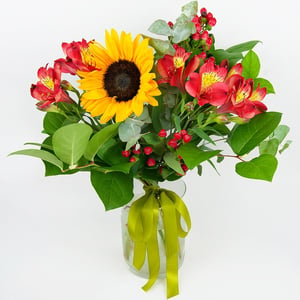

Zinnia symbolism by color
Zinnia symbolism shifts dramatically depending on color. Here's your full breakdown:
Red zinnias
Red zinnias carry meanings of deep romantic love and steadfast devotion. Give red zinnias for anniversaries, Valentine's Day (February 14), or any moment when you want to say "my heart is committed." Red zinnias pair well with red roses for a bolder statement, but they also stand strong on their own.
Yellow zinnias
Yellow zinnias represent daily remembrance and fond thoughts. These blooms work perfectly for friends you haven't seen in months or family members living far away. A bouquet of yellow zinnias says, "I think about you more than you know."
Pink zinnias
Pink zinnias express tender, playful affection. They suit new friendships, budding romances, and Mother's Day (the second Sunday in May). Pink zinnias soften any arrangement without diminishing its emotional impact.
Orange zinnias
Orange zinnias signal warmth, enthusiasm, and energy. Graduation parties, new job celebrations, and housewarming gifts all benefit from orange zinnias. The color practically radiates optimism.
Purple zinnias
Purple zinnias communicate lasting devotion and dignity. Purple has long been linked to royalty across many cultures. A purple zinnia arrangement tells someone you hold them in the highest regard.
White zinnias
White zinnias symbolize purity, goodness, and sincerity. You'll see white zinnias at weddings, baptisms, and celebrations of new beginnings. Unlike white lilies — often associated with funerals — white zinnias lean toward joyful purity rather than mourning.
Multicolored and striped zinnias
Some zinnia cultivars produce bicolor or striped petals. These varieties symbolize fun, creativity, and playful unpredictability. The 'Candy Cane Mix' and 'Whirligig' cultivars both produce eye-catching striped blooms that stand roughly 18 to 24 inches tall.
The history of zinnias in America
Zinnias have a longer American story than most people realize. The flower originated in Mexico and parts of Central America, where it grew wild for centuries before European contact.
A few key milestones shaped the zinnia's journey in the United States:
- 1798: Zinnia seeds arrived in the United States through botanical exchanges with European gardens.
- 1931: Indiana named the zinnia its official state flower — a designation the state held until 1957 when the peony replaced it.
- 2016: NASA astronaut Scott Kelly grew the first flower in space aboard the International Space Station. That flower? A zinnia. The experiment ran as part of the Veggie plant growth system.
By the way — the fact that NASA chose zinnias over dozens of other candidates says a lot. Zinnias germinate quickly, tolerate variable conditions, and produce blooms that boost morale. Those same traits make zinnias popular for home gardeners across every U.S. climate zone.
When to give zinnias as gifts
Zinnia symbolism makes the flower surprisingly versatile for gift-giving. Here's a practical guide matched to American holidays and life events:
- Birthdays (any month): Choose the recipient's favorite color for a personal touch.
- Friendship Day (first Sunday in August): Yellow zinnias carry the "thinking of you" message perfectly.
- Mother's Day (second Sunday in May): Pink or mixed-color zinnias pair beautifully with a handwritten card.
- Graduation parties (May–June): Orange zinnias match the energy of new beginnings.
- Get-well wishes: Bright zinnias — especially yellow and orange — bring visual warmth to hospital rooms.
- Thank-you gestures: A simple bunch of mixed zinnias communicates sincere gratitude.
One occasion where zinnias don't fit? Formal sympathy and funeral arrangements. Lilies, chrysanthemums, and carnations serve those settings better. Zinnias feel too lively for somber moments.
Looking for zinnia-bright blooms?
Browse arrangements from local florists and pick one that suits the occasion.
Zinnia varieties worth knowing
The genus Zinnia includes around 22 species, but gardeners and florists focus on a handful. Knowing the varieties helps you pick the right zinnia for your purpose — vase arrangement, garden border, or gift bouquet.
Zinnia elegans (common zinnia)
Zinnia elegans dominates the cut-flower market. The plants reach 12 to 48 inches tall and produce blooms measuring 1 to 6 inches across. Popular cultivars include 'Benary's Giant,' 'Oklahoma,' and 'State Fair Mix.' Benary's Giant zinnias produce stems up to 40 inches long — a florist's dream for tall arrangements.
Zinnia angustifolia (narrowleaf zinnia)
Zinnia angustifolia grows low and wide, usually topping out at 12 inches. The blooms measure about 1.5 inches across. Gardeners in hot, humid climates (think Florida, Georgia, the Gulf Coast) favor this species because it resists mildew better than Zinnia elegans.
Zinnia haageana (Mexican zinnia)
Zinnia haageana produces smaller, bicolor blooms in combinations of red, yellow, and orange. The plants stand 12 to 24 inches tall. 'Persian Carpet' and 'Old Mexico' rank among the most popular cultivars of this species.
Zinnia marylandica (hybrid)
Zinnia marylandica crosses elegans with angustifolia. The result? A mildew-resistant, compact plant that flowers heavily. 'Profusion' and 'Zahara' series belong to this hybrid group. Both tolerate heat and humidity across the southeastern U.S. remarkably well.
How to care for cut zinnias
Fresh zinnias last 7 to 12 days in a vase. Follow these steps to get the longest life from your cut zinnias:
- Trim 1 inch from each stem at a 45-degree angle using sharp scissors or garden shears.
- Remove all leaves that sit below the water line — submerged leaves breed bacteria fast.
- Fill a clean vase with room-temperature water and add one packet of flower food.
- Change the water every 2 days and re-trim the stems by half an inch each time.
- Keep the vase away from direct sunlight, heating vents, and fruit bowls (ripening fruit releases ethylene gas, which speeds wilting).
One extra trick: zinnias drink a lot of water. Check the water level daily. A vase that runs dry — even for a few hours — shortens zinnia life significantly.

Growing zinnias in your garden
Zinnias rank among the easiest annuals to grow from seed. Direct-sow zinnia seeds outdoors after your last frost date. Most U.S. gardeners plant between late April and mid-June, depending on their zone.
Key growing conditions:
- Sun: Zinnias need full sun — a minimum of 6 hours daily.
- Soil: Well-drained soil with a pH between 5.5 and 7.5 works best.
- Spacing: Space seeds or transplants 4 to 24 inches apart, depending on the variety.
- Water: Water at the base of the plant. Overhead watering promotes powdery mildew, especially in the humid Southeast.
- Deadheading: Remove faded blooms regularly. Deadheading encourages the plant to produce new flowers for weeks longer.
Seeds germinate in 4 to 7 days when soil temperatures reach 70–80°F. You'll see the first blooms roughly 60 to 70 days after planting.

Common mistakes with zinnias
Even experienced gardeners stumble with zinnias sometimes. Avoid these pitfalls:
- Planting too early: Zinnia seeds rot in cold, wet soil. Wait until soil temperatures hit at least 70°F before sowing directly.
- Crowding the plants: Poor air circulation triggers powdery mildew. Follow the spacing recommendations on your seed packet.
- Watering from above: Wet foliage invites fungal disease. Water the soil, not the leaves.
- Ignoring deadheading: Spent blooms signal the plant to stop producing new flowers. Snip faded heads promptly.
- Skipping succession planting: A single sowing gives you one big flush of blooms. Sow new seeds every 2 to 3 weeks through mid-July for continuous flowers until frost.
Zinnia symbolism in cultural traditions
Zinnia symbolism extends beyond the Victorian flower language. Different cultures layered additional meanings onto the flower.
In Mexican folk traditions, zinnias appear in Día de los Muertos celebrations alongside marigolds. The bright colors guide spirits back to the living world. Wild zinnias grow abundantly across Oaxaca and Puebla, making the flower deeply local to these communities.
In the American South, zinnias became a symbol of hospitality. Gardeners planted zinnias along front walkways to signal welcome. This tradition goes back at least to the 1920s, according to Southern garden historians.
In Japanese flower arranging (ikebana), practitioners use zinnias to create bold, structured compositions. The flower's round, layered form provides visual weight that balances lighter blooms like baby's breath or cosmos.
Your next step with zinnias
Zinnias pack more meaning into a single bloom than most people ever realize. Whether you grow a row from seed or send a bouquet to someone across the country, you're communicating endurance, affection, and the kind of memory that refuses to fade. What color zinnia speaks loudest to you? Explore zinnia arrangements in our catalog and see which bloom matches your message.
Send flowers today
Choose your bouquet, add a message, and let a local florist hand-deliver it.