 EUR
EUR
 GBP
GBP
 CAD
CAD
 AUD
AUD

 ✨Boss’s Day✨
 Birthday
 Occasions
 Same Day
 Flowers
 Roses
Roses
 Plants
 Gifts
Gifts
 International Flower Delivery
Best Hanging Indoor Plants and Trailing Varieties
- 🌿 Indoor hanging plants save floor space, clean the air, and add vertical texture — start with pothos or heartleaf philodendron for nearly foolproof results.
- 🪴 Anchor every hanging planter into a ceiling joist or use a toggle bolt rated for at least 25 pounds to avoid crashes.
- ✂️ Water trailing house plants only when the top inch of soil feels dry, and trim vines every 4–6 weeks to keep growth bushy and balanced.
Hanging plants indoor free up every square inch of counter and shelf space — and a single trailing pothos can stretch 6 to 10 feet in just two years. That matters if you live in a 500-square-foot apartment or simply want more greenery without buying more furniture. This guide walks you through the best indoor hanging plants, shows you how to mount them safely, and gives you concrete care steps so nothing dies on your watch.
Why indoor hanging plants deserve a spot in every room
Indoor hanging plants draw your eyes upward. That simple trick makes even an 8-foot ceiling feel taller. Beyond aesthetics, a 1989 NASA study tested 12 common houseplants — including pothos and spider plants — and found they filtered formaldehyde, benzene, and trichloroethylene from sealed chambers. Granted, your living room ventilates better than a space station. Still, trailing indoor plants move air through their root zone constantly, and every bit of filtration counts during wildfire season on the West Coast or high-pollen spring days in the Southeast.
Hanging indoor plants also keep leaves out of reach of curious cats, teething toddlers, and overzealous Roombas. You gain greenery without sacrificing a single shelf.
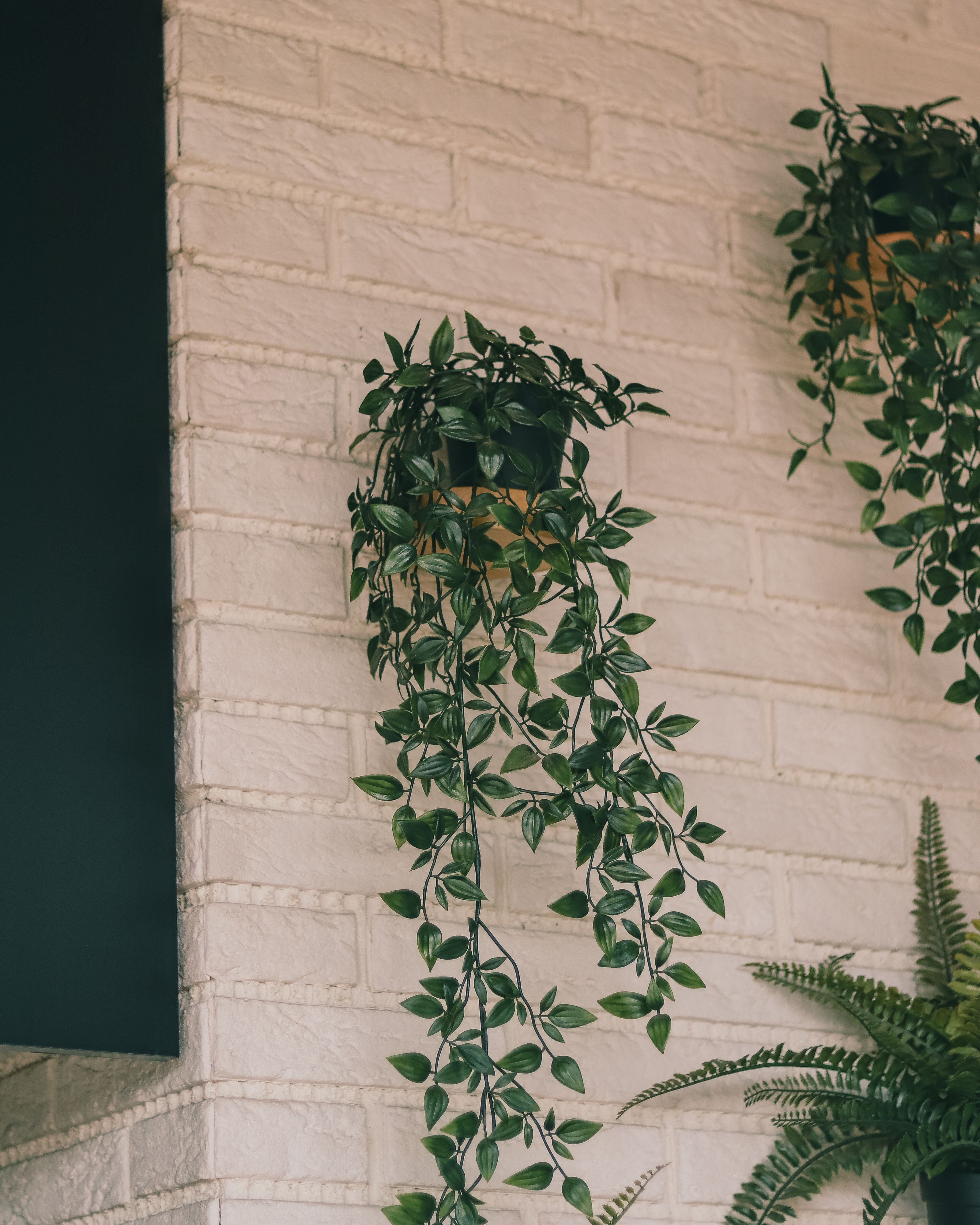
12 best trailing plants for indoor spaces
Trailing plants indoor come in dozens of species. Here's a curated list — not ranked, because each one suits a different room, light level, and skill set.
Pothos (Epipremnum aureum)
Pothos tops almost every indoor hanging plants list for good reason. Vines grow roughly 12 inches per month under bright indirect light. The plant tolerates low light, too — expect slower growth, around 6 inches monthly. Popular cultivars include Marble Queen (cream-white variegation), Neon (chartreuse leaves), and Global Green (dark center with lighter margins). Water a 6-inch hanging basket every 7–10 days. Let the top inch of soil dry out first.
Heartleaf philodendron (Philodendron hederaceum)
Heartleaf philodendron looks similar to pothos but produces thinner, more heart-shaped leaves. Vines can reach 8 feet indoors. The Brasil cultivar adds yellow-green streaks down each leaf center. Place the basket 3–5 feet from a south- or east-facing window for best color. This trailing house plant forgives a missed watering and bounces back fast.
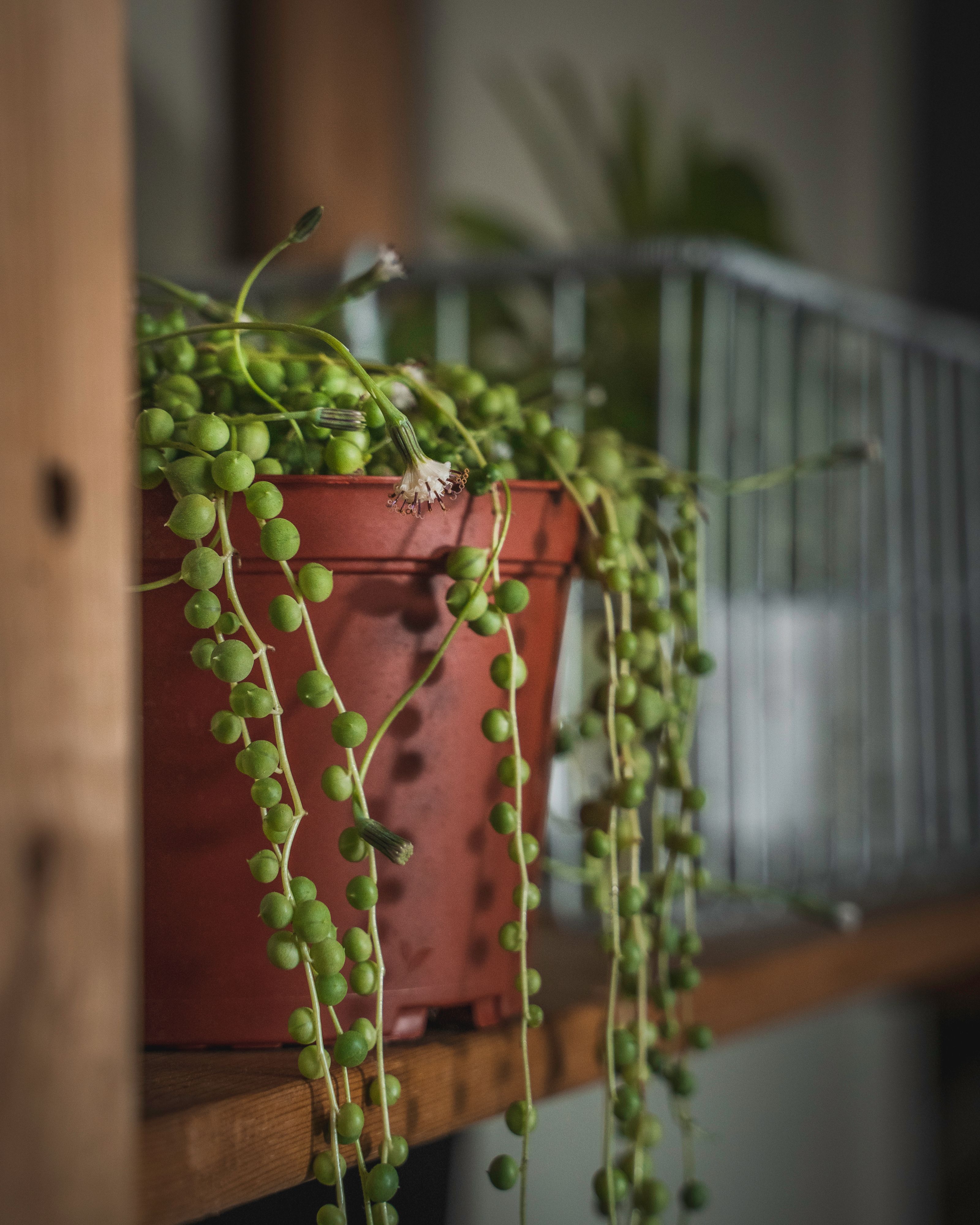
String of Pearls (Senecio rowleyanus)
String of Pearls stores water in its bead-like leaves — overwatering kills this succulent quicker than neglect. Pot the plant in a mix of 50% cactus soil and 50% perlite. Water every 14 days in summer. Cut that frequency to once monthly in winter. Expect strands to dangle 2–3 feet within a year.
Spider plant (Chlorophytum comosum)
Spider plants send out arching stolons with tiny plantlets at the tips. A mature plant produces 5–15 babies in a single growing season. The Bonnie cultivar has curly leaves that cascade neatly from a 4-inch hanging pot. Spider plants handle temperatures from 55°F to 80°F, making them comfortable in most U.S. homes year-round.
String of Hearts (Ceropegia woodii)
String of Hearts produces tiny, purple-backed leaves on delicate silver-green vines. Mature strands reach 6–9 feet. This trailing indoor plant craves bright indirect light and dislikes soggy roots. Use a pot with a drainage hole — no exceptions. The variegated version (Ceropegia woodii variegata) adds pink and cream tones but grows about 30% slower.
Boston fern (Nephrolepis exaltata)
Boston ferns thrive in humid bathrooms. Fronds arch 2–3 feet outward, creating a full, bushy silhouette. Mist the fronds every other day or set the pot above a pebble tray filled with water. This indoor trailing plant browns at the tips fast in dry air — keep humidity above 50%.
Tradescantia (Wandering Dude)
Tradescantia Nanouk shows off pink, green, and cream stripes. Tradescantia pallida (Purple Heart) delivers deep purple foliage. Both grow quickly — up to 1 inch per day during peak summer. Pinch back stems every 3–4 weeks to prevent leggy growth. These trailing house plants root so easily in water that you can share cuttings at your next housewarming.
Burro's Tail (Sedum morganianum)
Burro's Tail dangles plump, overlapping leaves in rope-like strands up to 2 feet long. Handle the plant carefully — individual leaves pop off at the slightest touch. Place the pot in a bright window with at least 4 hours of direct morning sun. Water once the soil dries completely, roughly every 10–14 days in summer.
Hoya (wax plant)
Hoya carnosa produces thick, waxy leaves and clusters of star-shaped flowers that smell like chocolate at night. The plant needs patience — flowers usually appear after year 2 or 3. Keep it slightly rootbound in a 4- to 5-inch pot to encourage blooming. Bright indirect light works best. Direct afternoon sun scorches the leaves.
English Ivy (Hedera helix)
English Ivy grows fast and handles cooler rooms well — down to 45°F. Keep the plant indoors only; English Ivy spreads aggressively outdoors and is invasive in at least 18 U.S. states. Indoors, trim vines monthly. Check the underside of leaves for spider mites every time you water.
Peperomia Hope
Peperomia Hope features round, succulent-like leaves on trailing stems that reach about 18 inches. The plant stays compact, making it a smart pick for small hanging pots on a kitchen window. Water every 10–12 days. Don't let the soil stay soggy — Peperomia roots rot quickly.
Monstera adansonii (Swiss Cheese Vine)
Monstera adansonii grows oval leaves riddled with natural holes (fenestrations). Vines trail 3–5 feet from a hanging basket. Give this plant bright indirect light and water weekly. Each leaf develops more fenestrations as the plant matures. A 4-inch starter pot costs between $10 and $18 at most U.S. nurseries.
How to hang indoor plants safely
Hanging indoor plants from the ceiling looks gorgeous — until the planter crashes at 3 AM. Here's how to avoid that.
Find the joist
A standard drywall ceiling holds about 5 pounds per fastener. A mature Boston fern in a wet 8-inch pot weighs 15–20 pounds. That gap matters. Use a stud finder to locate a ceiling joist. Drill a screw hook rated for 30 pounds directly into the joist. No joist where you need one? Use a toggle bolt — most toggle bolts hold 25–50 pounds in ½-inch drywall.
Choose the right hanger
- Macramé hangers suit lightweight plants under 8 pounds and add a bohemian look.
- Metal S-hooks with chains hold heavier pots and let you adjust height quickly.
- Wall-mounted brackets keep plants near windows without ceiling hardware.
- Adhesive hooks work only for air plants or tiny pots under 2 pounds.
Think about watering access
You still need to reach the plant regularly. Hang the pot at a height you can comfortably touch — or use a pulley system. Retractable plant pulleys cost $8–$15 each and let you lower the pot for watering, then lock it back at ceiling height.
Caring for trailing house plants room by room
Indoor trailing plants don't all need the same conditions. Match the plant to the room.
Bathroom (high humidity, variable light)
Boston ferns and pothos love bathroom humidity. Keep the pot near a frosted window or 2–3 feet from a clear one. The steam from a daily shower replaces misting.
Kitchen (moderate light, temperature swings)
Peperomia Hope and spider plants handle the fluctuating warmth near a stovetop. Place hanging baskets at least 3 feet away from the burner. Grease particles settle on leaves — wipe them with a damp cloth every 2 weeks.
Living room (bright indirect light)
Heartleaf philodendron, Monstera adansonii, and Hoya all flourish 4–6 feet from a south-facing window. Rotate the pot a quarter turn every week so every side gets light.
Bedroom (low light, stable temperature)
Pothos and Tradescantia tolerate north-facing windows. Both plants continue to trail — just more slowly. Aim for at least 50 foot-candles of light, which you can measure with a free lux meter app on your phone.
Looking for a housewarming gift instead?
Browse arrangements from local florists and pick one that suits the occasion.
5 mistakes that kill hanging indoor plants
1. Overwatering
Excess water sits at the bottom of pots without drainage holes and rots roots within days. Always use pots with drainage. Place a saucer or drip tray underneath — or water the plant in the sink, let the water drain for 10 minutes, then re-hang the pot.
2. Ignoring weight limits
Soil, water, and pot add up fast. Weigh your setup before hanging. A ceramic 8-inch pot with wet soil can hit 20 pounds.
3. Skipping pruning
Trailing plants indoor look scraggly when you never trim them. Prune every 4–6 weeks. Cut just above a leaf node — that node sprouts two new stems, giving you a fuller plant.
4. Forgetting fertilizer
Feed hanging indoor plants once a month from March through September with a balanced liquid fertilizer (10-10-10 or 20-20-20) diluted to half strength. Stop fertilizing in winter. Plants slow their growth during shorter days.
5. Placing plants too far from light
A plant 10 feet from a window gets roughly 1/10 of the light at the window's surface. Move pots closer. Even low-light tolerant species like pothos produce bigger, more vibrant leaves within 5 feet of the glass.
Best occasions to gift trailing indoor plants
- Trailing plants make lasting gifts — longer-lasting than cut flowers — for several U.S. holidays and occasions.
- Mother's Day (second Sunday in May): A String of Hearts in a 4-inch ceramic pot works well. The heart-shaped leaves tie into the theme naturally.
- Housewarming parties: Spider plants and pothos adapt to new environments within days.
- Valentine's Day (February 14): Hoya's night-blooming flowers surprise a partner who loves subtle fragrance.
- Teacher Appreciation Week (first full week in May): A potted Peperomia Hope sits neatly on a desk without taking up much room.
- Thanksgiving (fourth Thursday in November): A Tradescantia Nanouk in fall-toned pink and cream pairs well with autumn décor.
How to propagate your hanging plants for free
- Propagation turns 1 plant into 10. Most trailing indoor plants root easily from stem cuttings.
- Cut a 4- to 6-inch vine segment just below a leaf node.
- Remove the bottom 2 leaves to expose the node.
- Place the cutting in a jar of room-temperature water.
- Set the jar in bright indirect light.
- Change the water every 3 days to prevent bacteria.
- Transplant the cutting into soil once roots reach 2 inches — usually 2–4 weeks.
- Pothos, heartleaf philodendron, Tradescantia, and Monstera adansonii all root this way. String of Pearls and Burro's Tail propagate better by laying 3-inch stem segments directly on top of moist soil and misting daily.


Quick-reference care chart for indoor trailing plants
| Plant | Light | Water frequency | Humidity | Max trailing length |
|---|---|---|---|---|
| Pothos | Low to bright indirect | Every 7–10 days | 40–60% | 10 ft |
| Heartleaf Philodendron | Medium indirect | Every 7–10 days | 40–60% | 8 ft |
| String of Pearls | Bright indirect | Every 14 days | 30–40% | 3 ft |
| Spider Plant | Medium indirect | Every 7 days | 40–60% | 3 ft (stolons) |
| String of Hearts | Bright indirect | Every 10–14 days | 40–50% | 9 ft |
| Boston Fern | Medium indirect | Every 5–7 days | 50%+ | 3 ft (fronds) |
| Tradescantia | Bright indirect | Every 5–7 days | 40–60% | 4 ft |
| Burro's Tail | Bright direct (morning) | Every 10–14 days | 30–40% | 2 ft |
| Hoya | Bright indirect | Every 10–14 days | 40–60% | 4 ft |
| English Ivy | Medium to bright | Every 7 days | 40–50% | 6 ft |
| Peperomia Hope | Medium indirect | Every 10–12 days | 40–50% | 1.5 ft |
| Monstera adansonii | Bright indirect | Every 7 days | 50–60% | 5 ft |
Your next move
Pick one plant from this list. Just one. Hang it near your brightest window and commit to checking the soil every Sunday morning. Within 6 weeks, you'll see fresh growth trailing over the pot's edge — and you'll probably want a second plant. That's how every indoor jungle starts: one hook, one pot, one vine at a time. Which trailing plant are you starting with?
Send flowers today
Choose your bouquet, add a message, and let a local florist hand-deliver it.