 EUR
EUR
 GBP
GBP
 CAD
CAD
 AUD
AUD

 ✨Boss’s Day✨
 Birthday
 Occasions
 Same Day
 Flowers
 Roses
Roses
 Plants
 Gifts
Gifts
 International Flower Delivery
How to Water Plants While Away
- 🌱 A pump-based drip system with a plant watering timer handles 10–20 pots for up to 30 days and costs between $25 and $80, making it the most practical choice for most households.
- ⏱️ Set your timer to water early — around 6:00 AM — so roots absorb moisture before midday heat, whether you grow indoors or outdoors.
- ✈️ Test any vacation plant watering system at least 5 days before departure to catch leaks, clogged emitters, or reservoir shortages while you can still fix them.
An automatic plant watering system saves roughly 80% of the time you spend hauling watering cans around your home and yard each week. Picture this: you leave for a 10-day trip to visit family, and your fiddle-leaf fig greets you at the door — still glossy, still standing tall. That scenario stops being wishful thinking the moment you plug in a drip timer or drop a terracotta spike into a pot. This guide walks you through every type of system, compares indoor and outdoor setups, and shows you exactly how to keep plants thriving while you travel.
How an automatic plant watering system actually works
An automatic plant watering system moves water from a reservoir to your pots through tubing, spikes, or wicking materials on a set schedule. A small pump or gravity does the heavy lifting. A timer or sensor tells the pump when to start and stop.
- Three core parts make up most setups:
- Reservoir — a bucket, tank, or direct faucet connection that stores water
- Delivery line — silicone or vinyl tubing (usually 1/4-inch diameter) that carries water to each pot
- Controller — a digital timer, moisture sensor, or smartphone app that triggers each watering cycle
- Honestly, the concept is dead simple. Water goes from Point A to Point B at the right time. The differences between products come down to how the controller decides when to run and how much water each emitter releases per cycle.
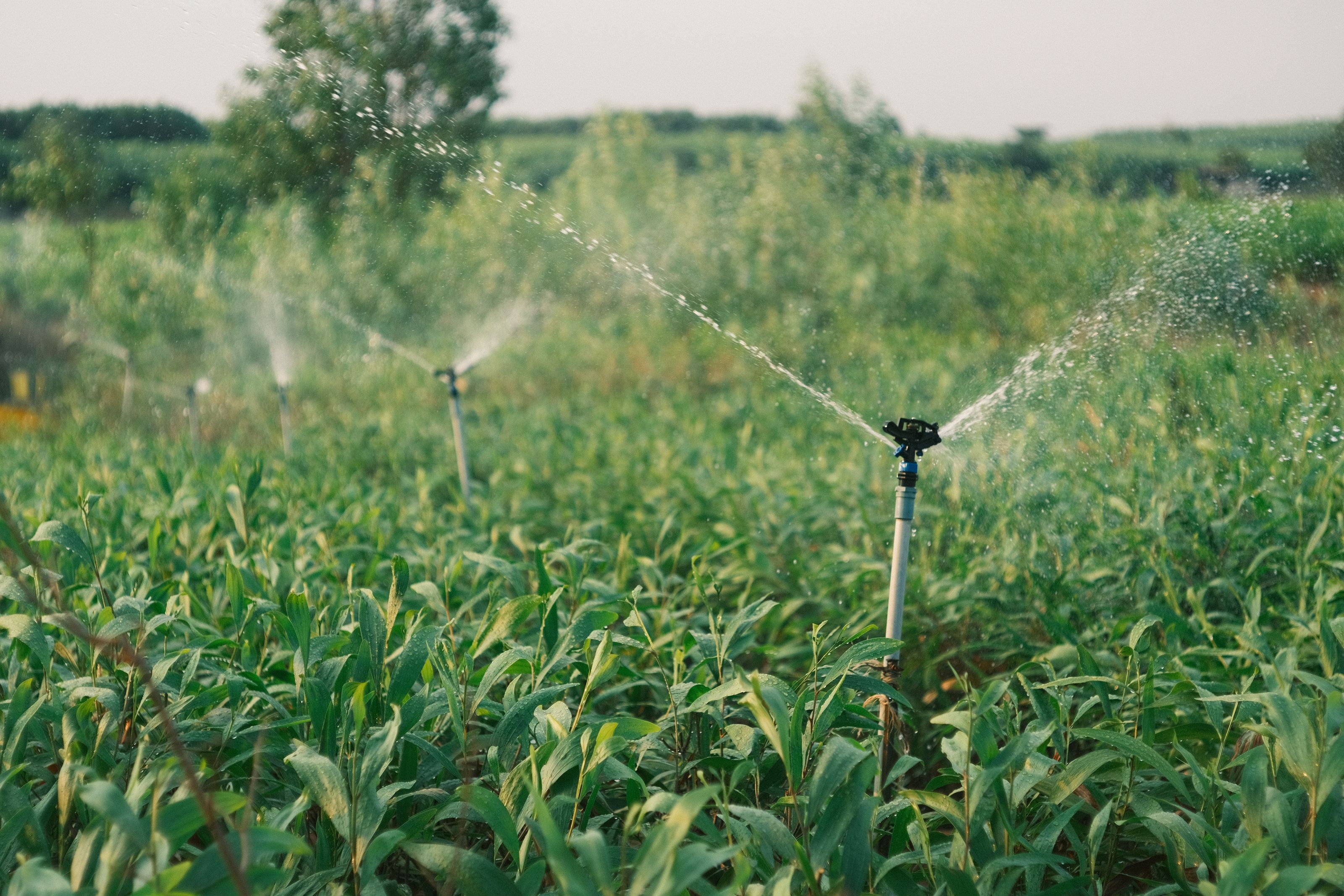
Types of self watering systems for plants
Not every self watering system for plants suits every situation. Here's a breakdown of the five main categories, with real specs.
Drip irrigation kits with timers
A drip kit uses a pump to push water through 1/4-inch tubing to individual drip emitters. Most kits on Amazon serve 10–15 pots and include 30–50 feet of tubing. Prices range from $25 to $60.
The RAINPOINT indoor kit, for example, waters up to 15 plants and runs on 4 AA batteries. The Sainlogic model adds a humidity sensor display and IP64 water resistance.
Terracotta spikes and olla pots
Terracotta releases water slowly through its porous walls. Bob Vila's 2026 testing named the Back to the Roots Olla Pot (700 mL capacity) as the "Best Overall" automatic plant waterer. One olla pot hydrates a single medium container for about 7 days.
Glass and plastic watering globes
Globes hold 6–17 oz of water. You flip a globe upside-down and push the narrow end into the soil. The Besti 6-pack measures 12 inches by 3.5 inches and keeps soil moist for up to 2 weeks. Globes work best for small to medium pots — 6 inches to 10 inches in diameter.
Wicking rope systems
Cotton or nylon rope draws water from a jar into the pot through capillary action. The Orimerc 50-foot wick rope costs under $10 and requires zero electricity. No pump, no battery, no app. Just physics.
Smart Wi-Fi systems
The LetPot DI-Smart system connects to your phone over Wi-Fi, sends low-water alerts, and carries an IPX66 waterproof rating. Smart systems typically cost $50–$120 and let you adjust schedules from anywhere with cell service.
Best indoor automatic plant watering system: what to look for
The best indoor automatic plant watering system fits your plant count, your counter space, and your comfort level with technology. Here's what matters most when you shop for an automatic indoor plant watering system.
Number of pots
Most pump-driven kits max out at 15–20 pots. The PChero system handles 20 plants using 49 feet of tubing and a USB-C rechargeable pump. Count your houseplants before you buy.
Noise level
Nobody wants a buzzing pump in the living room at 6:00 AM. The VIVOSUN smart kit runs a 15-watt pump that the manufacturer calls "quiet." Check customer reviews for real decibel complaints — product pages rarely list noise figures.
Anti-siphon protection
Water can flow backward through tubing and drain your reservoir onto the floor. Look for "anti-siphon" or "anti-backflow" in the product specs. At least 8 of the top-selling Amazon kits now include anti-siphon valves as a standard feature.
Power source
- USB-C rechargeable — lasts 2–4 weeks per charge; ideal for desks and shelves
- 4 AA batteries — easy to replace; typical lifespan of 60–90 days
- AC adapter — unlimited runtime; requires a nearby outlet
- Solar panel — zero running cost; needs 4–6 hours of light daily
Reservoir size
A 2-gallon reservoir serves 10 medium pots for about 7–10 days. A 5-gallon bucket extends that window to roughly 3 weeks. Match reservoir size to your longest expected absence.




Automatic plant watering system for outdoor use
An automatic plant watering system outdoor setup faces sun, wind, rain, and temperature swings that indoor kits never deal with. Outdoor systems need tougher materials and larger water supplies.
Hose-connected timers
The Orbit 62034 mechanical timer attaches directly to your garden faucet. You twist the dial, and the timer opens the valve for the duration you set — from 15 minutes to 120 minutes. A 2-pack costs around $15. No batteries required.
Digital hose-end timers like the Raindrip model add a backlit LCD screen and let you program multiple daily cycles. These run on a single 9-volt battery for an entire growing season.
Solar-powered drip kits
The GARDENA AquaBloom runs entirely on solar power. The AquaBloom irrigates up to 20 plants and requires no water line or electrical outlet. A built-in reservoir sits at the base. Solar kits work especially well on apartment balconies, patios, and raised beds where you lack a spigot.
Another popular option: a 49-foot solar drip kit with 25 timer modes and a flow rate of 900 mL per minute. These systems cost $30–$50 and often include everything you need in the box.
Larger garden irrigation
For raised beds and full garden rows, a 60–200-foot drip system with 1/4-inch tubing and 360-degree copper nozzles covers a much bigger area. The HIRALIY 82-foot kit includes a 2-zone timer and quick-connect drippers. Price runs about $35–$55.
Keep your outdoor tubing buried under 1–2 inches of mulch to prevent UV degradation and reduce evaporation by up to 70%.
Starting a plant collection?
Browse potted plants delivered by local florists and pick ones that suit your light and schedule.
Watering plants while on vacation: a step-by-step plan
Vacation plant watering stresses out more plant parents than packing a suitcase does. Here's exactly how to handle watering plants while away for 1–4 weeks.
7 days before departure
- Inspect every pot for pests, yellow leaves, and root rot — treat problems now so the plant enters vacation in good health
- Purchase your vacation plant watering system and all supplies (tubing, emitters, reservoir)
- Assemble the full setup and run a test cycle
5 days before departure
- Measure how much water each plant drinks per day by weighing pots before and after a 24-hour period
- Adjust drip emitters — increase flow for thirsty tropicals like calatheas, decrease for succulents
- Refill the reservoir and mark the water level with tape
1 day before departure
- Run the entire system for a full 24-hour test
- Check the tape mark on the reservoir — calculate daily consumption and verify the reservoir holds enough for your trip
- Move sun-loving plants away from south-facing windows to reduce evaporation rates
- Close blinds halfway to keep indoor temps below 78 °F
- That 5-day buffer gives you time to order replacement parts, swap a leaking connector, or resize tubing. Skipping the test run is the single biggest mistake people make with vacation plant watering.
Plant watering timer: settings that actually work
A plant watering timer removes guesswork from scheduling. Most digital timers let you set frequency (every 6, 12, 24, or 48 hours) and duration (30 seconds to 10 minutes per cycle).
Indoor timer settings
Houseplants in 6-inch pots generally need 50–100 mL of water every 1–2 days. Set your timer to run for 30–60 seconds per cycle, twice daily — once at 6:00 AM and once at 6:00 PM.
Humidity-loving plants like ferns prefer shorter, more frequent cycles. Cacti and snake plants do well with a single 30-second cycle every 72 hours.
Outdoor timer settings
Outdoor container plants in full sun may need 200–400 mL daily during July and August. Set the timer to run a 2–3-minute cycle at dawn. A second cycle at dusk helps during heat waves above 95 °F.
Raised-bed vegetables perform best with a "cycle and soak" pattern: 1 minute on, 10 minutes off, repeat twice. The RAINPOINT large-display kit supports this mode natively.
Adjusting for seasons
- Spring (March–May): water every 48 hours for most houseplants
- Summer (June–August): water daily or every 24 hours; outdoor pots may need twice daily
- Fall (September–November): return to every 48 hours as growth slows
- Winter (December–February): reduce to every 72–96 hours for most tropicals
Automatic house plant watering system: common mistakes and fixes
Even a well-chosen automatic house plant watering system can fail. Here are the pitfalls and how to dodge them.
Overwatering
More houseplants die from too much water than from drought. A pump running 3 minutes every 12 hours can saturate a 6-inch pot in 2 days. Solution: start with shorter durations — 15 seconds — and increase only after you check soil moisture by finger test.
Clogged emitters
Mineral deposits from hard water block drip emitters within 2–3 months. Soak emitters in white vinegar for 30 minutes every 6 weeks to dissolve buildup. Alternatively, use distilled or filtered water in your reservoir.
Wrong tubing height
Gravity-fed systems fail when the reservoir sits lower than the pots. Keep your water source at least 12 inches above the highest emitter. Pump-based systems don't have this limitation.
Ignoring humidity
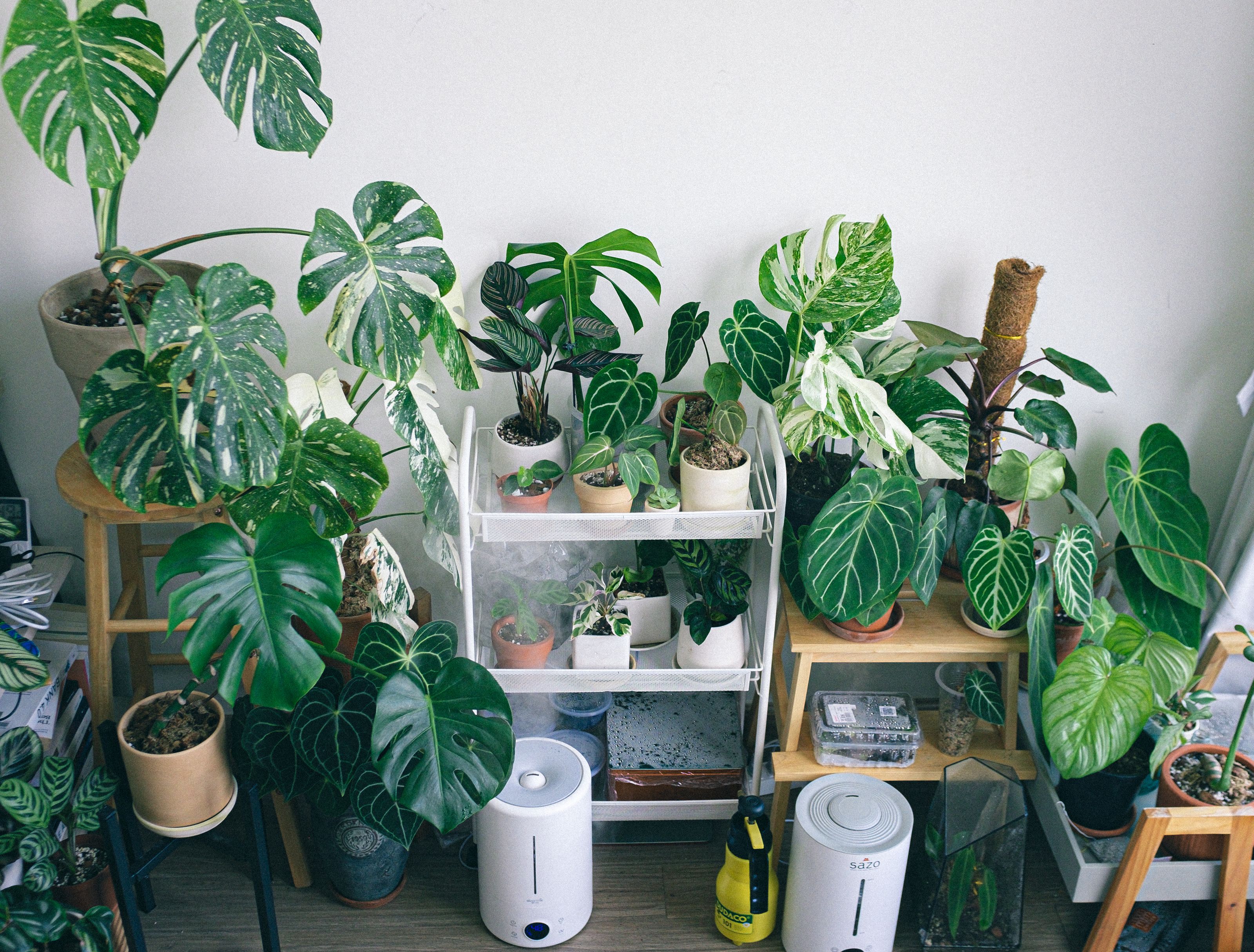
A self watering system for plants handles soil moisture — not air humidity. Tropicals like monsteras and anthuriums still need 50–60% relative humidity. Pair your drip system with a humidifier or a pebble tray.
Forgetting the backup
Power outages, dead batteries, and Wi-Fi dropouts happen. Place a single watering globe in your most valuable plant as a backup. A 17-oz globe buys you an extra 5–7 days.
DIY vs. store-bought: which saves you more?
A store-bought drip kit costs $25–$80 and works out of the box. A DIY Arduino-based system — like the Science Buddies soil-moisture project — costs roughly $40–$60 in parts (Arduino board, relay module, 5V pump, moisture sensor, tubing) and takes 2–4 hours to build.
| Feature | Store-bought kit | DIY Arduino build |
|---|---|---|
| Setup time | 15–30 minutes | 2–4 hours |
| Cost | $25–$80 | $40–$60 |
| Customization | Limited to preset modes | Full control over thresholds |
| Maintenance | Replace batteries, clean emitters | Debug code, replace sensors |
| Best for | Busy plant owners, renters | Tinkerers, STEM learners |
DIY builds shine when you want sensor-level control — for example, triggering the pump only when soil moisture drops below 40%. Store-bought kits win on convenience and reliability.
Bonus tips for keeping plants alive year-round
Group plants by thirst level
Place tropical plants (pothos, peace lilies, ferns) on one drip line. Put succulents and cacti on a separate line with fewer watering cycles. Mixing drought-lovers with moisture-lovers on the same timer guarantees someone suffers.
Use mulch indoors, too
A 1-inch layer of sphagnum moss or pebbles on the soil surface cuts evaporation by 25–30%. This small step stretches your reservoir life by several days.
Monitor reservoir levels remotely
Smart systems like the LetPot send push notifications when water runs low. Budget systems lack that feature, but you can jury-rig a cheap Wi-Fi camera ($15–$20) aimed at your reservoir's water line. Check the feed from your phone daily.
Flush the system monthly
Run clean water through all tubing for 5 minutes once a month. This process clears sediment, algae, and mineral buildup before a blockage kills a plant.
Your next move
The right automatic plant watering system depends on one question: how many plants do you own, and how long do you leave them unattended? A $7 terracotta spike handles one pot for a long weekend. A $50 pump kit with a timer handles 15 pots for a month. A $100 smart system lets you water from a beach in Maui.
Start small. Buy one kit, test it on your neediest plant, and expand from there. What's the longest trip you've taken without worrying about your plants?
Send a plant that thrives
Choose the plant, add your message, and let a local florist hand-deliver it to the door.
FAQ
How long can an automatic plant watering system run without refilling?▾
Most pump-based systems with a 2-gallon reservoir last 7–14 days for 10 medium pots. A 5-gallon bucket extends that to about 3 weeks. Actual duration depends on pot size, plant species, and room temperature.
Do self watering globes really work?▾
Yes — for short absences. A 17-oz globe keeps a 6-inch pot moist for 5–14 days. Globes release water passively, so they can't match the precision of a timed drip system. They work best as a supplement, not a primary system.
Can I use the same system indoors and outdoors?▾
Some systems carry waterproof ratings (IP65 or IP66) and handle both environments. The LetPot DI-Smart, for instance, rates IPX66 for outdoor use. Always check the IP rating before placing an indoor-only unit on your patio.
What happens during a power outage?▾
Battery-powered and solar-powered systems continue running. USB-rechargeable pumps hold a charge for 2–4 weeks. Plug-in systems stop immediately, so keep a watering globe in critical pots as a failsafe.
How do I prevent overwatering with a timer?▾
Start with the shortest duration your timer offers — often 15 or 30 seconds. Check soil moisture 24 hours later by inserting your finger 1 inch deep. Increase duration only when the soil feels dry at that depth.
Are smart watering systems worth the extra cost?▾
Smart systems ($50–$120) add app control, push alerts, and remote scheduling. You benefit most from these features when you travel frequently — more than 3–4 trips per year — or manage 15+ plants. Casual growers do fine with a basic $25 timer kit.