EUR
 GBP
 CAD
 AUD

 ✨Boss’s Day✨
 🍭Sweetest Day🍭
 Birthday
 Same Day
 Occasions
 Flowers
 Roses
 Plants
 Gifts
 International Flower Delivery
Artichoke Flower Blooming & Growing Guide
- 🌿 The artichoke you eat at dinner is actually an immature flower bud from Cynara cardunculus var. scolymus, and letting it bloom produces a vivid purple thistle head up to 7 inches across.
- 📌 Globe artichoke plants reach 3–5 feet tall in USDA zones 7–11, bloom from late spring through midsummer, and attract native pollinators like bumblebees and swallowtail butterflies.
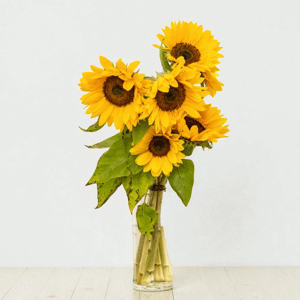
- 🌻 The Jerusalem artichoke flower belongs to a completely different species — Helianthus tuberosus, a sunflower relative — so don't confuse the two when planning your garden.
An artichoke flower transforms from a grocery-store vegetable into a 6-inch purple burst that stops people mid-stride. You already know artichokes on your plate — but the artichoke bloom hiding inside that tight green bud rivals dahlias and peonies for sheer drama. This guide walks you through the botany, the growing, and the surprising ways you can use a flowering artichoke in your garden, your vase, and even your kitchen. Roughly 80% of the United States' commercial artichoke crop grows within Monterey County, California, yet almost none of those buds ever get the chance to bloom. That changes today.
Is an artichoke a flower? The botany behind the bud
"Is artichoke a flower?" Yes — technically, every artichoke you've ever eaten qualifies as an unopened composite flower head. The globe artichoke (Cynara cardunculus var. scolymus) belongs to the Asteraceae family, the same family that includes sunflowers, daisies, and chamomile. Farmers harvest the bud before the artichoke flower bloom begins. Leave a bud on the stalk past its harvest window, and it cracks open within 7–10 days to reveal hundreds of tiny purple florets fanning out from the center.
Those fleshy "leaves" you scrape with your teeth? Botanists call them involucral bracts. The fuzzy "choke" you discard at dinner is the immature flower itself. So when someone asks "is an artichoke a flower?" — the honest answer is absolutely.
A single artichoke plant flower can host up to 1,000 individual florets in one head. Each floret carries its own stamen and pistil, which makes the artichoke bloom a magnet for honeybees, native bumblebees, and painted lady butterflies throughout June and July.

How an artichoke bloom develops — stage by stage
An artichoke bloom follows a predictable timeline. Knowing the stages helps you decide exactly when to harvest for food and when to let the flower open.
Stage 1: tight bud (harvest window)
The artichoke plant flower forms a compact, globe-shaped bud around 60–90 days after transplanting. Monterey County growers typically pick at this point, between March and May for spring crops. The bud measures 3–4 inches in diameter and weighs about 8–14 ounces.
Stage 2: loosening bracts
Unpicked buds start spreading their bracts apart. You'll notice gaps between the outer "leaves" and a slight purple tinge at the tips. This stage lasts roughly 5–7 days.
Stage 3: full bloom
The artichoke flower bloom hits its peak when purple florets push above the bracts and form a dome. A fully open head can measure 5–7 inches across. Bees arrive almost immediately.
Stage 4: seed set and drying
After pollination, florets dry into papery tufts — like dandelion puffs. One head can scatter 50–100 viable seeds. Gardeners in USDA zones 7–11 collect seeds in late July or August for next year's planting.


The biggest artichoke flower: how large can they get?
The biggest artichoke flower on record in home-garden circles measured roughly 7 inches in diameter on a 'Green Globe Improved' cultivar. Commercial cultivars like 'Imperial Star' and 'Big Heart' regularly produce heads exceeding 5 inches when allowed to bloom. A few factors control size:
- Root depth. Plants with 18+ inches of loose, well-drained soil develop larger heads.
- Nitrogen timing. A side-dressing of balanced 10-10-10 fertilizer in early April fuels bract expansion.
- Stalk selection. The primary central stalk generally produces the biggest artichoke flower; secondary lateral buds run 30–40% smaller.
- Water consistency. Artichokes need about 1–1.5 inches of water per week during bud formation.
Gardeners near the coast — think Monterey, Half Moon Bay, or Santa Cruz — benefit from cool, foggy summers that slow bud opening and let the head grow bigger before bloom.
Jerusalem artichoke flower vs. globe artichoke flower
The Jerusalem artichoke flower confuses people every single year. Here's the quick breakdown.
| Feature | Globe artichoke | Jerusalem artichoke |
|---|---|---|
| Latin name | Cynara cardunculus var. scolymus | Helianthus tuberosus |
| Family | Asteraceae (thistle tribe) | Asteraceae (sunflower tribe) |
| Flower color | Purple to violet | Bright yellow |
| Flower size | 5–7 inches | 2–3 inches |
| Edible part | Immature flower bud | Underground tuber |
| Native range | Mediterranean | Eastern North America |
| USDA zones | 7–11 | 3–9 |
| Height | 3–5 feet | 6–10 feet |
The Jerusalem artichoke flower looks like a small sunflower and blooms from August through October. The plant spreads aggressively through rhizomes. One tuber planted in spring can produce 10–20 new tubers by autumn. Despite sharing the "artichoke" name, the Jerusalem artichoke has zero botanical relation to the globe artichoke beyond both belonging to the massive Asteraceae family.
Fun fact: the name "Jerusalem" likely comes from the Italian word girasole (sunflower), which English speakers garbled over time.
Growing a flowering artichoke in your garden
A flowering artichoke earns its spot in an ornamental border just as well as in a vegetable bed. The silvery, deeply lobed foliage stretches 3–4 feet wide, and each purple bloom lasts 10–14 days on the stalk.
Planting basics
Start seeds indoors 8–10 weeks before the last frost date. In most of the continental U.S., that means sowing between late January and early March. Transplant seedlings outdoors after soil temperatures reach at least 60 °F. Space plants 36–48 inches apart. Artichokes demand full sun — at least 6 hours of direct light daily.
Encouraging the bloom
Skip the harvest on 2–3 buds per plant. Let the bracts spread naturally. You'll see the first purple florets within a week of the bracts loosening. Don't fertilize once the bud starts opening; excess nitrogen at bloom stage produces lush leaves but weaker flowers.
Climate considerations across the U.S.
- Pacific Coast (zones 8–10). Artichokes grow as perennials here. Expect bloom from May to July.
- Southeast (zones 7–9). Summer heat above 95 °F can stall blooming. Plant in partial afternoon shade.
- Northeast and Midwest (zones 5–6). Grow artichokes as annuals. The cultivar 'Imperial Star' can bloom within 90 days from transplant.
- Southwest desert (zones 9–10). Plant in October for a spring bloom. Mulch heavily — 3–4 inches of straw — to keep roots cool.
Looking for mixed bouquets?
Browse mixed bouquets from local florists and pick one that suits the moment.
Artichoke flower in floral arrangements and décor
Florists and event designers discovered the artichoke flower's sculptural appeal years ago. A single dried artichoke bloom makes a striking centerpiece. Fresh blooms mix beautifully with roses, eucalyptus, and dahlias in rustic or farmhouse-style arrangements.
How to cut and condition artichoke blooms
- Cut the stalk early in the morning, before 9 AM.
- Trim the stem at a 45-degree angle to roughly 12–14 inches long.
- Strip all leaves below the water line.
- Place the stem in lukewarm water (100–110 °F) with a quarter-teaspoon of bleach per quart.
- Keep the vase away from direct sunlight and A/C vents.
A fresh artichoke bloom lasts 5–7 days in a vase. Dried artichoke blooms retain their shape and purple color for 6–12 months.
Occasions worth an artichoke flower arrangement
- Thanksgiving centerpieces. The thistle texture pairs well with autumn gourds and dried wheat.
- Summer garden weddings. A single artichoke bloom tucked into a bridal bouquet adds unexpected drama.
- Housewarming gifts. A potted artichoke plant in a 12-inch terra-cotta pot looks striking on a patio.
- Mother's Day. Move beyond roses — a mixed bouquet featuring artichoke blooms signals thoughtfulness.
Common mistakes with artichoke flowers (and how to dodge them)
Even experienced gardeners stumble. Watch out for these pitfalls.
Harvesting too late — or too early. Pick edible buds while bracts stay tight and squeak when squeezed. Once bracts spread more than half an inch apart, the bud tastes woody. Decide early whether you want food or flowers, not both from the same bud.
Overwatering during bloom. Artichokes tolerate drought better than soggy roots. Standing water around the crown causes root rot within 48 hours in heavy clay soil.
Ignoring aphids. Aphids colonize artichoke buds in clusters of 50–200 insects per bud during April and May. Blast aphids off with a strong jet of water or apply neem oil at a dilution of 2 tablespoons per gallon.
Confusing globe and Jerusalem artichoke seeds. The Jerusalem artichoke flower drops seeds that look nothing like globe artichoke seeds. Globe seeds are gray-brown, teardrop-shaped, and about a quarter-inch long. Jerusalem artichoke seeds are smaller, darker, and rarely viable in most U.S. gardens — the plant reproduces mainly through tubers.
Skipping winter mulch. In zones 7–8, artichoke crowns need 4–6 inches of mulch (straw, wood chips, or shredded leaves) after the first hard frost. Exposed crowns die back at temperatures below 25 °F.
Nutritional and culinary uses of the artichoke before it flowers
You already know the artichoke bud as food. A medium globe artichoke (about 120 grams, cooked) delivers roughly 60 calories, 7 grams of fiber, and 4 grams of protein according to USDA FoodData Central. Artichokes rank among the top 10 vegetables for antioxidant content per serving.
Once the artichoke plant flower opens, the edible portion disappears. The bracts toughen, the choke becomes fibrous, and bitterness increases sharply. In Southern France and parts of Italy, cooks sometimes harvest the tender inner bracts of half-open buds, sauté them in olive oil, and serve them as "artichoke flowers" — a dish distinct from the fully opened bloom. Italian markets in cities like Catania price these half-open buds at roughly €2–3 per piece during peak season (April–May).
Baby artichokes — the small buds growing lower on the stalk — haven't developed a tough choke yet. Slice baby artichokes in half, fan them open, fry in 350 °F oil for 3 minutes, and you get "artichoke flowers" in the culinary sense: crispy, golden, edible sculptures.

Artichoke flower symbolism and cultural history
The artichoke carries symbolic weight in Mediterranean cultures. Ancient Romans valued the globe artichoke as an aphrodisiac and a delicacy reserved for men — women only gained widespread access to artichokes during the Renaissance. Catherine de' Medici reportedly introduced the artichoke to France in 1533 when she married King Henry II at age 14.
In the Victorian language of flowers, an artichoke bloom signaled patience, prosperity, and hidden beauty — the reward beneath the thorns. Today, florists in the U.S. use artichoke flowers to symbolize resilience and individuality in custom arrangements.
Castroville, California, hosts the annual Artichoke Festival every June. The town crowned Marilyn Monroe its first Artichoke Queen in 1948. That same town grows roughly 60% of all artichokes consumed in the U.S.

Your next move with the artichoke flower
Grow one. Seriously — even a single artichoke plant in a 24-inch pot on a sunny balcony can produce 3–5 buds per season. Let at least one bloom. You'll attract pollinators, earn compliments from neighbors, and discover why the artichoke flower has gained traction on social media (the hashtag #artichokebloom has over 18,000 posts on Instagram as of early 2025).
Have you ever let an artichoke bloom in your own garden? Drop your experience in the comments, or share this guide with someone who still thinks an artichoke is just something you dip in butter.
Send flowers today
Choose a bouquet, add a message, and a local florist hand-delivers it.