EUR
 GBP
 CAD
 AUD

 ✨Boss’s Day✨
 🍭Sweetest Day🍭
 Birthday
 Same Day
 Occasions
 Flowers
 Roses
 Plants
 Gifts
 International Flower Delivery
Flowers That Mean Love & Symbolize Romance
- 🌹 At least 15 flowers symbolize love — from red roses for passion to forget-me-nots for eternal devotion — so your choice should match the exact emotion you want to express.
- 🌷 Color matters as much as species: a red tulip declares romantic love, while a yellow sunflower signals loyal friendship, and a pink carnation honors a mother's affection.
- 💐 Trim stems at a 45-degree angle, swap the water every 2 days, and keep blooms away from direct sunlight to extend vase life by up to a week.
More than 100 million roses change hands every Valentine's Day in the United States alone — and yet roses barely scratch the surface. Flowers that mean love span dozens of species, each carrying a distinct shade of emotion: passion, devotion, friendship, even heartbreak. Knowing which bloom says what helps you pick the right bouquet for an anniversary, a first date, or a quiet "I'm thinking of you" on an ordinary Tuesday. This guide walks you through 15 flowers that represent love, explains the history behind their meanings, and gives you practical tips for keeping every stem fresh longer.
Why flowers symbolize love — a quick history

Flowers symbolizing love date back at least to the Ottoman Empire in the 1600s, when Turkish "selam" — a coded language of blooms — let lovers exchange feelings that spoken words could not risk. Lady Mary Wortley Montagu brought the practice to England around 1717 after living in Constantinople. By the 1810s, Victorians had published more than 50 floriography dictionaries in London and Paris, assigning each flower a precise emotional meaning.
The tradition jumped the Atlantic fast. Americans embraced floral dictionaries in the 1830s. One of the most popular, The Language of Flowers by Frederic Shoberl (1834), sold thousands of copies in New York and Philadelphia. Florists today still lean on those Victorian codes. So when you hand someone a red rose, you tap into roughly 400 years of emotional shorthand.
Short version? Flowers carry cultural weight. Pick the wrong one, and the message shifts.
Red roses — the classic flower for love
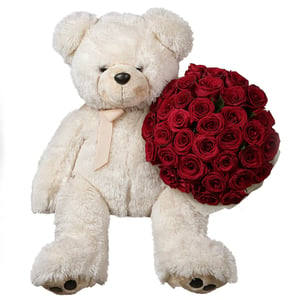
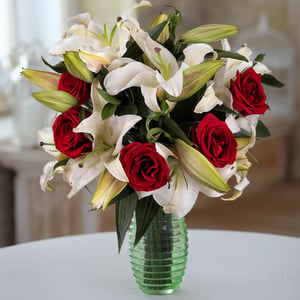
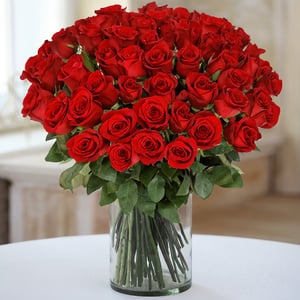
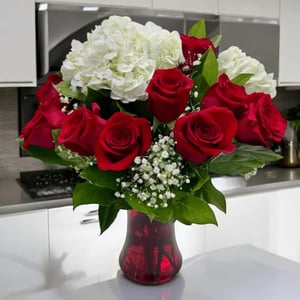
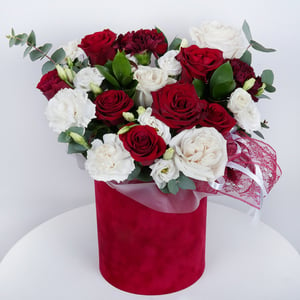
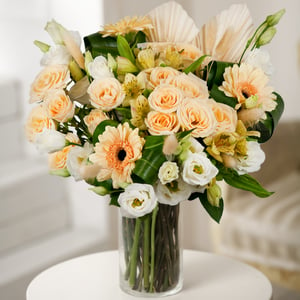
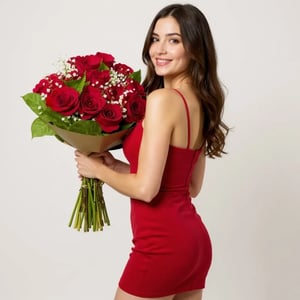
Red roses stand as the single most recognized flower that symbolizes love worldwide. The American floral industry sells roughly 250 million roses for Valentine's Day each year, and about 75% of those roses arrive in red.
Why red?
Greek mythology tied the red rose to Aphrodite, goddess of love. Roman poets like Ovid reinforced the link. Victorian couples cemented it further — a single red rose whispered "I love you" without uttering a word.
Best occasions
- Valentine's Day (February 14)
- Wedding anniversaries, especially the 15th (the "crystal" anniversary often paired with roses)
- Romantic proposals
- Spontaneous "just because" gestures
A dozen long-stem red roses typically costs between $50 and $120 from U.S. florists, depending on the city and season. Prices spike 30–40% in early February, so ordering by February 10 saves money.
Tulips — a bold declaration
Tulips rank among the most direct flowers meaning love. A Turkish legend tells of Prince Farhad, who rode his horse off a cliff after hearing (falsely) that his beloved Shirin had died. Red tulips supposedly grew from each drop of his blood. Dramatic? Absolutely. But the story explains why tulips carry such intense romantic weight.
Color breakdown
- Red tulips declare deep, passionate love.
- Pink tulips suggest caring affection — great for a newer relationship.
- Purple tulips signal royalty and admiration.
- Yellow tulips once stood for hopeless love; modern florists now associate yellow tulips with cheerful friendship.
The Netherlands exports about 2 billion tulip bulbs annually, and tulips remain the third most popular cut flower in the U.S. after roses and chrysanthemums. Fresh-cut tulips last 5–7 days in a vase. One quirk: tulips keep growing after you cut them — sometimes up to an inch — so leave room in the arrangement.
Peonies — romance and prosperity

Peonies carry a reputation as flowers that represent love and good fortune simultaneously. Chinese culture has prized peonies for over 2,000 years, naming the peony "the king of flowers." In the Western tradition, peonies symbolize a happy marriage and compassion.
Peony season runs roughly from late April through June in the U.S. Outside that window, expect to pay a premium — off-season peonies can run $8–$12 per stem compared to $3–$5 during peak bloom. Farmers in Alaska extend the domestic season into August thanks to the state's long summer daylight hours.
Honestly, few blooms look as lush. A single peony bud opens into a bloom up to 10 inches across. That size makes 5–7 stems enough for a full, generous bouquet.
Orchids — sophisticated, enduring love
Orchids represent refined love, strength, and luxury. The Orchidaceae family contains roughly 28,000 species — more species than mammals — which gives you incredible variety in shape, size, and color.
Popular picks
- Phalaenopsis (moth orchid): the most common gift orchid, available year-round for $15–$40 per plant at most U.S. grocery stores and florists.
- Cymbidium: popular in corsages and wedding arrangements.
- Dendrobium: often used in tropical bouquets.
Orchids last notably longer than cut flowers. A potted Phalaenopsis blooms for 2–3 months with proper care. Water the plant once a week, let the roots dry between waterings, and keep the orchid in bright, indirect light. Skip the ice-cube watering hack — orchid roots prefer room-temperature water.
Carnations — deep devotion by color
Carnations might seem old-fashioned. They shouldn't. Carnations rank as one of the top-selling cut flowers globally, and different colors carry surprisingly specific meanings.
- Red carnations express deep romantic love and admiration.
- Pink carnations honor a mother's love — this connection goes back to the founding of Mother's Day in 1908, when Anna Jarvis distributed pink carnations at her mother's memorial church in Grafton, West Virginia.
- White carnations convey pure love and good luck.
- Purple carnations hint at unpredictability — an offbeat choice for someone you find fascinatingly complex.
A single carnation can last 2–3 weeks in a vase with clean water. That's roughly twice the lifespan of a rose. Add a teaspoon of sugar and a few drops of bleach to the vase water — this old florist trick feeds the bloom and fights bacteria.
Flowers that mean eternal love
Looking for the right flowers to say “I love you”?
Choose a romantic bouquet that lets the flowers carry the feeling behind your message.
Some occasions call for something deeper than "I love you right now." You need flowers that mean eternal love — blooms whose meanings stretch toward forever.
Forget-me-nots
The name says everything. German legend holds that a medieval knight, drowning in a river while picking blue flowers for his beloved, threw the bouquet to shore and cried "Vergiss mein nicht!" — forget me not. The tiny blue blooms (5 petals each, rarely more than ½ inch across) now stand for undying remembrance and eternal love.
Red asters
Asters take their name from the Greek word for "star." Red asters, in Victorian floriography, carry the message "I will love you forever." Asters bloom from late summer through fall, making red asters a natural fit for autumn anniversaries and September birthdays.
Honeysuckle
Honeysuckle wraps itself tightly around whatever supports it — a living metaphor for devoted, unbreakable bonds. In the language of flowers, honeysuckle signals everlasting love. The fragrance is instantly recognizable across the American South, where wild honeysuckle blooms from May through July.
Heliotrope
Heliotrope turns its clusters of small purple flowers toward the sun, tracking its path across the sky. Victorian flower dictionaries assigned heliotrope the meaning "eternal love and devotion." The blooms smell faintly like vanilla — an unexpected bonus.
Yellow flowers meaning love — it's complicated
Yellow flowers and love have a tricky relationship. Historically, yellow blooms carried negative connotations: jealousy, rejection, and fading affection. Modern Americans, though, have largely rewritten that script.
Yellow roses today
The yellow rose once warned of infidelity. Today, most American florists and recipients read yellow roses as symbols of friendship, joy, and caring. You'll see yellow roses at graduation parties, "get well" visits, and celebrations among close friends.
Sunflowers — loyal love
Sunflowers face east, tracking the sun across the sky during their growth phase. Mature sunflowers lock into an eastward position permanently. That steadfastness earned sunflowers a meaning tied to loyalty and adoration rather than romantic passion. Give sunflowers to a friend, a parent, or a long-term partner whose love feels warm and steady.
When yellow sends the wrong signal
A few contexts still read yellow as cautionary:
- Yellow chrysanthemums in parts of Europe and Latin America signal grief or rejection, though in the U.S. mums typically carry a neutral or cheerful tone.
- Yellow carnations can suggest disappointment or disdain, even stateside — most florists steer clients away from yellow carnations for romantic gifts.
Bottom line: know your audience. A dozen yellow roses for your best friend? Perfect. Yellow carnations for a new partner? Risky.
Flowers for every kind of love — matching blooms to U.S. holidays and occasions
Picking the right flower for love means matching the bloom to the moment. Here's a practical guide tied to the American calendar.
| Occasion | Best flower | Why it works |
|---|---|---|
| Valentine's Day (Feb 14) | Red roses, red tulips | Classic romantic declarations |
| Mother's Day (2nd Sunday in May) | Pink carnations, peonies | Gratitude and maternal love |
| Anniversary (any month) | Orchids, stargazer lilies | Sophistication, enduring bond |
| Thanksgiving (4th Thursday in Nov) | Sunflowers, chrysanthemums | Warmth, gratitude, autumn colors |
| First date | A single tulip or 3–5 ranunculus | Thoughtful without being overwhelming |
| "Just because" | Lavender, daisies | Lighthearted, genuine affection |
Wedding planners across the U.S. report that peonies, garden roses, and ranunculus dominate bridal bouquet requests for 2024 and 2025. Ranunculus stems cost about $2–$4 each, making the flower budget-friendly for fuller arrangements.
Blooms most competitors overlook
Plenty of guides cover roses, tulips, and peonies. Fewer mention these flowers symbolizing love:
Camellias
Camellias bloom in winter — December through March across the southeastern U.S. In Japan, the camellia (tsubaki) represents a love so devoted that the bloom falls from the branch all at once rather than petal by petal. A white camellia says "you're adorable." A red camellia says "you're the flame in my heart."
Gardenias
Gardenias carry a thick, sweet fragrance and symbolize secret love. Billie Holiday famously wore gardenias in her hair during performances. Gardenias thrive in USDA hardiness zones 8–11, so they grow well outdoors in states from South Carolina to Southern California.
Lisianthus
Lisianthus (also called Eustoma) looks remarkably like a rose but lasts about twice as long once cut — up to 2 weeks. The bloom symbolizes appreciation and a charismatic, outgoing love. Florists sometimes substitute lisianthus for roses in mixed arrangements. A bunch of 10 stems typically costs $15–$25.
Myrtle
Queen Victoria included myrtle in her 1840 wedding bouquet, sparking a British royal tradition that continues to this day. Myrtle represents love and marriage. The plant grows as an evergreen shrub, reaching 5–8 feet tall in mild climates. You can find potted myrtle online for $15–$30.
How to keep love-symbolizing flowers fresh longer
Buying the right flower matters. Keeping that flower alive matters more. Follow these steps — adapted for typical U.S. home conditions — and your bouquet stays vibrant days longer.
- Trim each stem at a 45-degree angle with sharp scissors or garden shears before placing the stems in water. The angled cut increases the surface area for water absorption.
- Remove every leaf that sits below the waterline. Submerged leaves breed bacteria within 24 hours.
- Swap the vase water every 2 days. Add the flower food packet your florist included — the powder contains sugar (energy), citric acid (pH balance), and a biocide (bacteria control).
- Place the vase away from direct sunlight, heating vents, and fruit bowls. Ripening fruit releases ethylene gas, which accelerates wilting. This matters especially in air-conditioned homes where dry air already pulls moisture from petals.
- Mist tropical blooms (orchids, anthuriums) lightly once a day if your home runs below 40% humidity, which is common during U.S. winters with central heating.
Most cut flowers last 5–10 days with proper care. Carnations last up to 3 weeks. Orchid plants bloom for months. Your effort in the first 10 minutes after the bouquet arrives determines how long the love — and the flowers — last.
Common mistakes when choosing flowers meaning love
Even well-meaning flower buyers make blunders. Here are the most frequent slip-ups:
- Assuming all red flowers say "romance." Red chrysanthemums, for example, mean "I love you" in some cultures but signal something entirely different in others. Research the specific bloom, not just the color.
- Ignoring seasonal pricing. Ordering peonies in January means paying 2–3 times the in-season price. Ask your florist for equally romantic alternatives — ranunculus and garden roses carry similar visual weight.
- Sending yellow carnations to a romantic partner. The association with disappointment lingers. Stick to red, pink, or white carnations for love.
- Skipping the card. Flowers carry meaning — but your own words amplify the message tenfold. Even a single handwritten line beats a blank envelope.
- Waiting until the last minute on peak holidays. U.S. florists take Valentine's Day orders weeks in advance. Placing your order by February 10 gives local florists time to source the freshest stems.
Your flower, your message
Ready to turn the feeling into a gift?
Send a bouquet chosen for romance and make the message impossible to miss.
Every flower on this list carries centuries of meaning. But here's the thing — the best flower for love is the one that reminds your person of something real between the two of you. Maybe you shared a walk past a field of sunflowers. Maybe your partner grew up with gardenias in the backyard. Maybe a single red tulip from a corner bodega says more than a hundred roses ever could.
Trust your instinct, choose a bloom with intention, and write a note. That combination beats any algorithm's recommendation — including this one.
What's your go-to flower for saying "I love you"? Browse the and see which blooms speak your language.