EUR
 GBP
 CAD
 AUD

 ✨Boss’s Day✨
 🍭Sweetest Day🍭
 Birthday
 Same Day
 Occasions
 Flowers
 Roses
 Plants
 Gifts
 International Flower Delivery
Poinsettia Meaning & Symbolism
- 🌺 The poinsettia carries centuries of meaning — from Aztec medicine and dye to Christian legend to modern symbols of cheer, success, and celebration during the winter holidays.
- ⭐ Each bract color sends a different message: red signals love and warmth, white conveys purity, and pink represents goodwill and maternal affection.
- 🎄 Americans purchase about 30 million poinsettias annually, making this plant the top-selling potted plant in the United States by dollar volume.
The poinsettia meaning stretches back over 600 years — long before the plant ever landed on an American doorstep in December. You've seen these scarlet-leafed beauties at every holiday party, grocery store, and church lobby from Thanksgiving through New Year's. But the story behind the poinsettia goes deeper than seasonal décor. The Aztecs called the plant cuetlaxochitl around the 14th century and used the red pigment from its bracts to dye textiles. Understanding poinsettia symbolism gives you a richer way to choose, gift, and enjoy a plant that Americans buy roughly 30 million of every single year.
Poinsettia flower meaning: beyond the red leaves
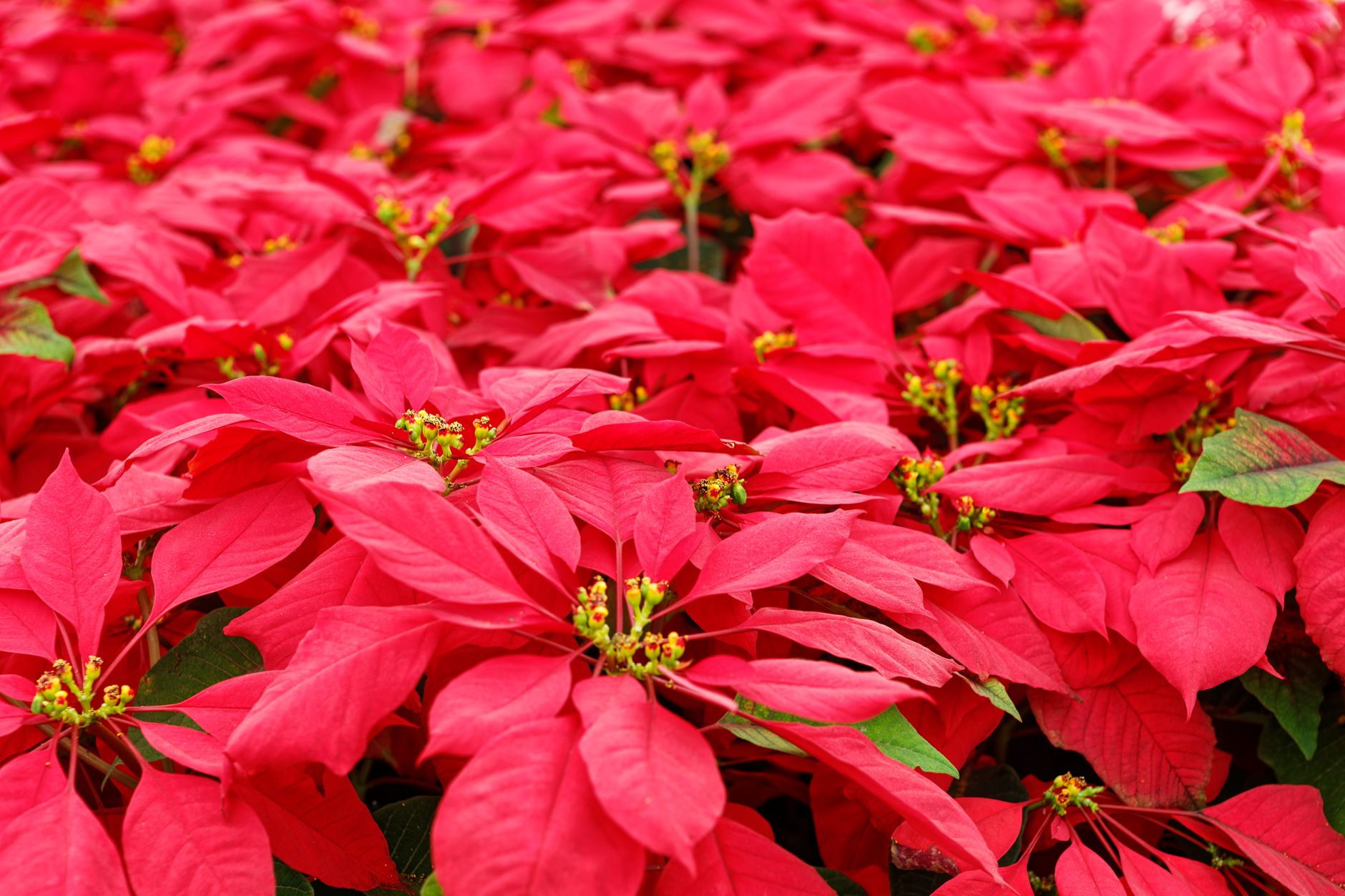
The poinsettia flower meaning centers on good cheer, success, and festive celebration. Botanists classify the poinsettia as Euphorbia pulcherrima — Latin for "the most beautiful euphorbia." Here's a quick surprise: those vivid red "petals" aren't petals at all. The colored parts are modified leaves called bracts. The actual flowers sit in the small yellow clusters at the center, called cyathia.
Joel Roberts Poinsett, the first U.S. Ambassador to Mexico, brought cuttings to his greenhouse in Charleston, South Carolina, in 1828. Congress later honored Poinsett by declaring December 12 as National Poinsettia Day. That date marks Poinsett's death in 1851, and Americans still celebrate the day every year.
Knowing the distinction between bracts and flowers matters when you pick a healthy plant. Tight, green-yellow cyathia at the center tell you the poinsettia is fresh. Open or dropping cyathia mean the plant has already peaked.
What does the poinsettia symbolize? A look at core themes

What does the poinsettia symbolize across cultures and generations? The answer shifts depending on who you ask and where you stand on the globe.
Good cheer and success
In the modern American language of flowers, the poinsettia carries wishes of mirth and accomplishment. Hosts place poinsettias near entryways during holiday gatherings to signal warmth and welcome. Businesses set red poinsettias in office lobbies between late November and early January to project a festive, prosperous atmosphere.
Love and the Christmas spirit
A Mexican folk legend ties the poinsettia directly to Christmas Eve. The story tells of a young girl named Pepita (some versions call her María) who had no gift for the Christ child's nativity scene. An angel — or her cousin, depending on the version — told Pepita to gather weeds from the roadside. She placed the humble weeds near the altar, and the plants burst into brilliant red star-shaped blooms. Mexican families still call the poinsettia La Flor de Nochebuena, "The Flower of the Holy Night."
Purity and renewal
White poinsettias took hold in the floral market during the 1990s when breeders developed cultivars like 'Whitestar' and 'Polar Bear.' White bracts carry a message of purity, hope, and fresh starts. Hospitals, hospice centers, and memorial services often use white poinsettias rather than red ones for exactly this reason.
Poinsettia symbolism by color
Poinsettia symbolism changes with each bract color. Here's a breakdown to help you choose the right shade for the right occasion.
| Bract color | Primary meaning | Best occasion |
|---|---|---|
| Red | Love, warmth, holiday spirit | Christmas gatherings, romantic gifts |
| White | Purity, peace, new beginnings | Sympathy, weddings, New Year's |
| Pink | Goodwill, maternal affection, joy | Mother's Day (2nd Sunday in May), baby showers |
| Burgundy / Marbled | Luxury, elegance | Corporate events, formal dinners |
| Orange / Salmon | Enthusiasm, creativity | Housewarming parties, Thanksgiving accent |
Breeders have developed more than 100 cultivar varieties since the 1960s. Paul Ecke Ranch in Encinitas, California, once produced over 70% of all poinsettias sold in the U.S. and about 50% of worldwide sales. The Ecke family dominated the industry for nearly a century before Dümmen Orange acquired the business in 2012.
The meaning of poinsettia in Aztec and Mexican history
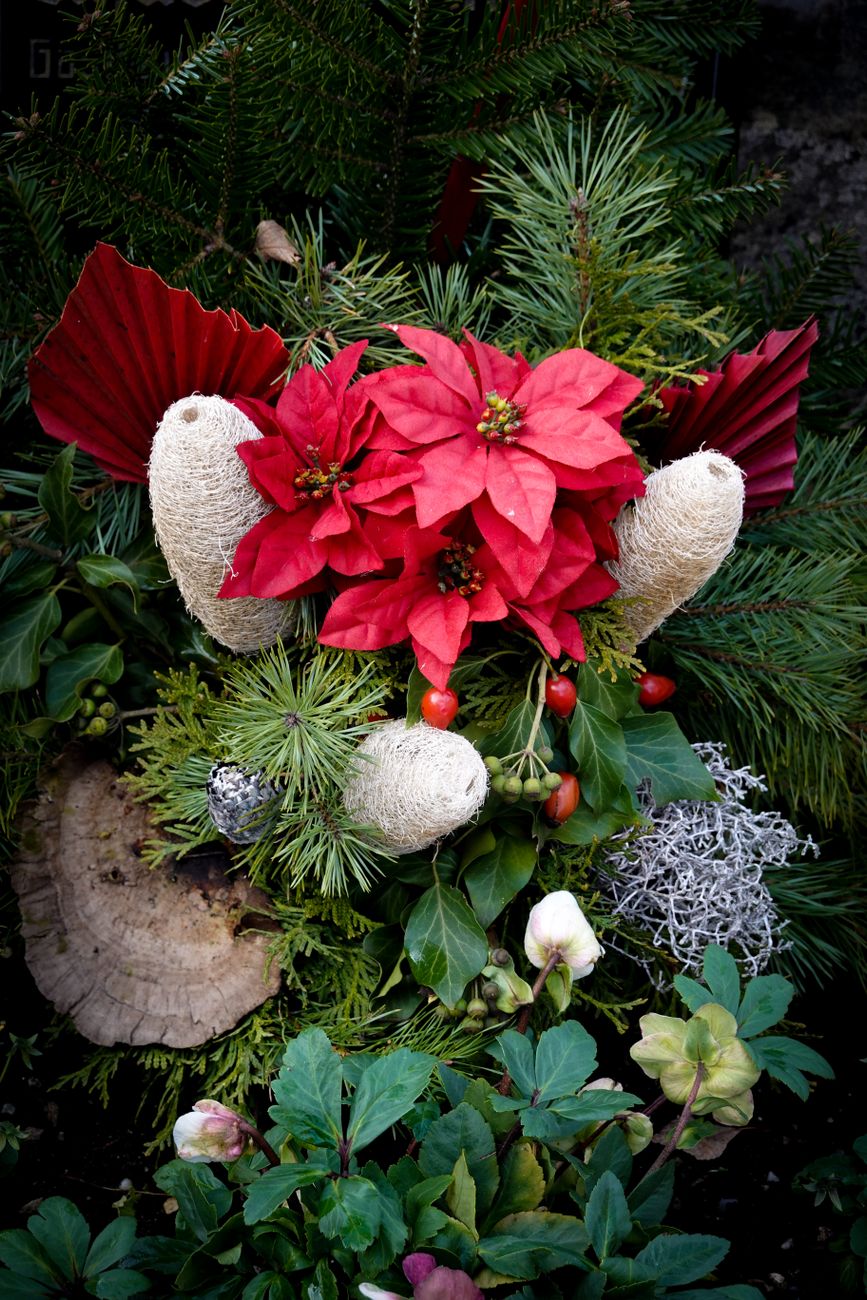
The meaning of poinsettia runs deep in Mesoamerican tradition. The Aztecs cultivated cuetlaxochitl in the highlands of southern Mexico long before European contact. They extracted a reddish-purple dye from the bracts and used the milky sap as a fever remedy.
Aztec King Montezuma I reportedly had caravans transport poinsettias to his palace in Tenochtitlan (modern-day Mexico City) because the plant couldn't grow at the capital's 7,350-foot elevation. That detail tells you something practical: poinsettias thrive in tropical and subtropical climates, not cold mountain air.
The Mayans also valued the plant, though records about Mayan use are far thinner than Aztec accounts. Archaeologists have found depictions of star-shaped flora in Mayan carvings, but direct botanical evidence linking those images to poinsettias remains debated.
In modern Mexico, the poinsettia plays a role in Las Posadas, the nine-day celebration from December 16 through December 24. Families decorate home altars and church nativities with Flores de Nochebuena. The tradition crossed the U.S.–Mexico border decades ago, and many Mexican-American communities in Texas, Arizona, and California continue the practice every December.
How the poinsettia became America's favorite holiday plant
Albert Ecke, a German immigrant, started selling poinsettias from street stands in Hollywood around 1906. His son, Paul Ecke Sr., shifted the family operation to Encinitas, California, in the 1920s. Paul Ecke Jr. then made a brilliant marketing move in the mid-20th century: he sent free poinsettias to television stations across the country every November, getting the plants placed on sets of shows like The Tonight Show and popular morning programs.
That visibility turned the poinsettia into a cultural shorthand for "the holidays are here." By the 1990s, poinsettia sales in the United States topped $250 million annually. Today, the USDA reports poinsettia wholesale value at roughly $140 million, reflecting price shifts and competition — but the plant still outsells every other potted flowering plant in the country by revenue.
Here's a fun timeline to anchor the story:
- 1828 — Joel Roberts Poinsett sends cuttings from Mexico to South Carolina
- 1836 — Historian William Prescott names the plant "poinsettia" after Poinsett
- 1906 — Albert Ecke begins selling poinsettias in Los Angeles
- 1991 — Congress designates December 12 as National Poinsettia Day
- 2012 — Dümmen Orange acquires Ecke Ranch, ending family ownership
Poinsettia symbolism for U.S. holidays and gift-giving
You might associate poinsettias exclusively with Christmas, but the plant fits more occasions than you'd expect.
Christmas and Hanukkah season
Red poinsettias dominate from late November through December 25. A 6-inch potted red poinsettia typically costs between $5 and $15 at grocery stores and garden centers. Larger 10-inch pots run $20 to $35. Gifting a red poinsettia during this window says "wishing you joy and celebration" without any religious specificity — the plant works for Christmas, Hanukkah, Kwanzaa (December 26–January 1), or secular holiday parties.
Thanksgiving
Orange, salmon, and burgundy poinsettias pair well with fall table décor. Growers release these warmer-toned cultivars in early November, right before Thanksgiving (the fourth Thursday of November). Place one as a centerpiece instead of a traditional mum arrangement.
New Year's Eve and New Year's Day
White poinsettias make a striking statement for a fresh-start theme. Pair a white poinsettia with gold ribbon or metallic accessories for a New Year's table.
Valentine's Day — a less obvious pick
Pink poinsettias can last well into February with proper care. Gifting a pink poinsettia for Valentine's Day (February 14) stands out because it's unexpected. The plant says "I care" in a way that a dozen red roses cannot.
How to pick a healthy poinsettia
Choosing a robust plant matters more than choosing the right color. A dying poinsettia sends the wrong message — nobody wants to gift a drooping symbol of "good cheer." Follow these steps at the store:
- Check the cyathia (tiny yellow flower clusters) for tightness and green color
- Inspect the leaves below the bracts for any yellowing or black spots
- Press the soil surface to confirm it feels slightly moist, not bone-dry or waterlogged
- Avoid plants displayed near automatic doors or outdoor entrances, where cold drafts hit below 50°F (10°C)
- Look for bracts with deep, saturated color and no fading at the edges
A reputable garden center or florist will wrap the plant in a protective sleeve for the trip home. Even 10 minutes of exposure to temperatures below 50°F can cause leaves to drop.
Caring for your poinsettia at home
Bring poinsettia season to the people you love
Choose a festive floral gift that captures the warmth and color of the holiday season.
Your poinsettia can hold its color for 6 to 8 weeks — sometimes longer — with the right care. Here's a practical guide tailored to typical U.S. home environments.
Light and placement
Place the plant near a window that receives at least 6 hours of bright, indirect light daily. South-facing or west-facing windows work best in most U.S. homes during winter. Keep the poinsettia away from cold window glass at night; temperatures near single-pane windows can dip below 50°F.
Watering
Water the plant when the top inch of soil feels dry to your fingertip. Pour water slowly until it drains from the bottom holes. Empty the saucer after 10 minutes — standing water causes root rot. In heated American homes (where humidity can drop to 20–30% during winter), you might water every 3 to 4 days.
Temperature
Poinsettias prefer daytime temperatures between 65°F and 75°F and nighttime temperatures no lower than 60°F. Avoid placing the plant near heating vents, radiators, or fireplaces. Dry forced-air heat — common across much of the U.S. — stresses the bracts and speeds up leaf drop.
Fertilizing
Skip fertilizer while the poinsettia shows color. Once the bracts begin to fade (usually late January or February), apply a balanced water-soluble fertilizer (20-20-20) once a month at half strength.
Common mistakes to avoid with poinsettias
Plenty of people accidentally kill poinsettias before New Year's Day. Here are the most frequent blunders:
- Overwatering the plant until roots sit in soggy soil
- Setting the poinsettia near a cold draft from an exterior door
- Wrapping the plant in decorative foil without poking drainage holes at the bottom
- Placing the poinsettia in a dark hallway or windowless room
- Skipping the protective sleeve on the walk from store to car when outdoor temps drop below 50°F
That foil wrapper deserves special attention. Many gift poinsettias arrive in metallic foil. Poke 4 to 6 holes in the foil's bottom, or remove the foil entirely and set the pot in a decorative cache pot with drainage.
Are poinsettias toxic? Setting the record straight
The Ohio State University tested poinsettia toxicity in the early 1970s and found that a 50-pound child would need to eat roughly 500 poinsettia leaves to reach a potentially harmful dose. The ASPCA classifies poinsettias as "mildly irritating" to cats and dogs, not deadly. Ingesting leaves can cause drooling, vomiting, or mild stomach upset, but fatalities are extremely rare — essentially undocumented in veterinary literature.
Still, keep the plant out of reach of curious pets and toddlers. The milky sap can irritate skin and eyes on contact.
Can you make a poinsettia rebloom?
Reblooming a poinsettia takes commitment. The plant requires 14 hours of complete, uninterrupted darkness each night for about 8 to 10 weeks (starting around October 1) to trigger bract color change. Even a brief flash of light — from a hallway lamp or a phone screen — can delay the process.
Here's the condensed schedule:
- April: Reduce watering gradually; let the plant go semi-dormant
- May: Prune stems back to about 4 inches; repot with fresh potting mix
- June through September: Place the plant outdoors in a shaded spot after nighttime temperatures stay above 55°F; water and fertilize regularly
- October 1 through late November: Bring the plant inside and give 14 hours of darkness nightly (5 PM to 7 AM works in most U.S. time zones) and 10 hours of bright light during the day
- Late November / December: Stop the dark treatment once bracts show color; return to normal care
Most casual growers find the process too demanding — and that's completely okay. Buying a new poinsettia each year supports local growers and greenhouses.
Poinsettia varieties worth knowing
The classic red poinsettia still accounts for roughly 75% of U.S. sales, but breeders have expanded the palette dramatically. Here are five noteworthy cultivars:
- 'Freedom Red' — the industry standard; produces large, deep-red bracts with strong stems
- 'Ice Punch' — red bracts splashed with a white center; sometimes called "Jingle Bells"
- 'Princettia Hot Pink' — compact plant with vivid pink bracts; bred by MNP Flowers in the Netherlands
- 'Polar Bear' — creamy white bracts with a slight green tinge; works beautifully for minimalist décor
- 'Autumn Leaves' — bracts shift from salmon to bronze to rose; ideal for Thanksgiving displays
Specialty cultivars may cost $2 to $10 more than standard reds. Local nurseries and florists tend to stock a wider selection than big-box retailers.
Sending poinsettias as gifts across the U.S.
You can order a poinsettia for someone across the country through local florists who hand-deliver the plant. When you order through a flower delivery service, a florist near your recipient assembles and delivers the gift — the plant doesn't travel across state lines in a box.
A few practical tips for sending poinsettias:
- Order by early December for guaranteed availability; growers often sell out of specialty colors by mid-month
- Choose a delivery window that ensures someone will be home — a poinsettia left on a porch in Minneapolis at 20°F won't survive
- Add a holiday card or small gift like chocolates to make the delivery feel more personal
- Specify "no foil wrap" or "drainage-friendly pot" if the recipient is a plant-savvy friend
Delivery costs vary by city and distance, but expect $10 to $20 for standard local delivery in most U.S. metro areas.
Your poinsettia, your message
A single poinsettia can carry the weight of a 600-year story — Aztec artistry, a Mexican folk miracle, Hollywood marketing savvy, and your personal wish for someone's happiness this winter. Pick the color that matches your message. Handle the plant with a little care, and those bracts will glow well past New Year's Day. What color poinsettia are you choosing this year?