 EUR
EUR
 GBP
GBP
 CAD
CAD
 AUD
AUD

 ✨Boss’s Day✨
 Birthday
 Occasions
 Same Day
 Flowers
 Roses
Roses
 Plants
 Gifts
Gifts
 International Flower Delivery
Desert plants
Desert plants thrive in some of the harshest environments on Earth — and they do it with a kind of quiet brilliance that most people completely overlook. Picture this: a single saguaro cactus standing 40 feet tall in the Arizona sun, storing up to 200 gallons of water inside its pleated trunk, surrounded by cracked earth that hasn't seen rain in months. That cactus isn't just surviving. It's engineering its own survival, one cellular adaptation at a time. And it's far from alone. Deserts cover roughly one-third of our planet's land surface, yet these seemingly barren landscapes burst with unexpected life — from neon-bright wildflower super blooms in Chile's Atacama to frost-hardy saxaul trees in Mongolia's Gobi.
In this guide, you'll discover the full spectrum of plants in the desert: how they adapt, where they grow, which species define each major desert region, and how you can bring that rugged beauty into your own yard or living room. We'll cover desert flowers, landscaping strategies, bloom timing, the fascinating relationship between desert animals and plants, common care mistakes, and a detailed top-10 list you can use as a quick reference. Whether you're a gardener in Phoenix, a plant parent in Brooklyn, or simply someone who finds the natural world endlessly fascinating, this one's for you. And if desert blooms end up capturing your imagination, MyGlobalFlowers, an international flower delivery service that partners with local florists worldwide, offers arrangements inspired by the wild beauty of arid landscapes.
Let's dig in.
Bring living beauty into any space
Hand-arranged potted plants delivered by local florists worldwide.
What makes desert plants so resilient — key adaptations



Desert plants face a brutal daily reality: scorching daytime temperatures that can exceed 120 °F, nighttime lows that sometimes dip below freezing, soil that drains in seconds, and rainfall that might total less than 10 inches per year. So how do arid plants not only survive but actually flourish under these conditions? The answer comes down to three core strategies: succulence, drought tolerance, and drought avoidance.
Succulence means storing water directly in stems, leaves, or roots. The saguaro cactus keeps its pleated trunk expandable — like an accordion — so it can swell with water after a monsoon and slowly draw from that reserve over months of drought. Barrel cacti work the same way, inflating visibly after heavy rains. Agaves store water in thick, fleshy leaves that feel almost rubbery to the touch.
The answer comes down to three core strategies: succulence, drought tolerance, and drought avoidance.
Drought tolerance involves structural defenses against water loss. The creosote bush coats its tiny leaves in a waxy resin that seals in moisture and reflects sunlight. Spines on cacti replace leaves entirely, reducing the surface area where evaporation occurs. Deep taproots — mesquite trees send roots down 150 feet or more — reach underground water sources that shallow-rooted plants can't access.
Drought avoidance is the most dramatic strategy. Ephemeral wildflowers spend years as dormant seeds buried in the sand. When a rare heavy rain arrives, these seeds sprout, bloom, set new seed, and die — all within six to eight weeks. They skip the drought entirely by existing only during wet windows.
Hot desert plants and cold desert plants share many of these strategies, but cold-climate species add antifreeze-like compounds in their cell sap and develop woody, insulating bark. The saxaul tree of the Gobi Desert, for example, survives winter temperatures below 0 °F while still coping with summer heat above 100 °F.
These adaptations don't exist in isolation. Desert animals and plants coexist in tight partnerships. The saguaro's creamy-white flowers open at night, attracting lesser long-nosed bats that pollinate the blooms while feeding on nectar. Prickly pear fruits sustain desert tortoises, javelinas, and coyotes. Joshua trees depend entirely on a single species — the yucca moth — for pollination. Every adaptation ripples outward through the ecosystem.
Types of desert plants — a complete guide

Desert plants span an enormous range of forms, sizes, and survival strategies. Breaking them into categories helps you understand what's out there — and what might work in your own garden.
Desert cactus plants
Desert cactus plants dominate the popular imagination, and for good reason. These spiny, water-storing marvels define the look of North American deserts.
- Saguaro (Carnegiea gigantea) stands as the icon of the Sonoran Desert, reaching heights of 40–60 feet and living 150–200 years. A single mature saguaro can weigh over 4,000 pounds when fully hydrated.
- Barrel cactus (Ferocactus wislizeni) grows in a squat, rounded shape up to 6 feet tall. Its ribbed body expands and contracts with water availability.
- Prickly pear cactus (Opuntia engelmannii) produces flat, paddle-shaped pads and vibrant magenta fruits. It grows throughout the Sonoran, Mojave, and Chihuahuan deserts.
- Organ pipe cactus (Stenocereus thurberi) sends multiple columnar stems upward from a single base, resembling a church organ. It grows primarily in southern Arizona and northern Mexico.
- Cholla (Cylindropuntia spp.) features segmented, cylindrical stems covered in barbed spines. The teddy bear cholla looks soft from a distance but attaches painfully on contact.
- Joshua tree (Yucca brevifolia) is technically a yucca, not a cactus, but most people group it here. Its twisted, shaggy-armed silhouette defines the Mojave Desert landscape.
Succulents and agaves
Desert plants in the succulent and agave families store water in thick, fleshy tissues — much like cacti — but lack the specialized areoles (the small bumps that produce spines) that define true cacti.
- Agave (Agave americana) forms dramatic rosettes of thick, spear-shaped leaves that can span 6–10 feet. Most agave species bloom once after decades of growth, then die — a strategy called monocarpy.
- Aloe vera (Aloe barbadensis miller) grows in compact rosettes with gel-filled leaves prized for medicinal use. It thrives indoors and outdoors in warm climates.
- Echeveria (Echeveria spp.) produces tight, rose-shaped rosettes in shades of green, blue, pink, and purple. These compact succulents work beautifully as indoor desert plants for home.
- Ghost plant (Graptopetalum paraguayense) displays pale, translucent leaves that give it an ethereal appearance. It tolerates neglect remarkably well.
- Burro's tail (Sedum morganianum) trails long, bead-like stems from hanging baskets. Each plump leaf stores enough water to survive weeks without watering.
Desert flowering plants
Desert flowering plants shatter the myth that arid landscapes lack color. Many species produce blooms so vivid they rival anything in a tropical garden.
- Desert marigold (Baileya multiradiata) sends up cheerful yellow desert flowers almost year-round in the Sonoran and Chihuahuan deserts.
- Brittlebush (Encelia farinosa) carpets hillsides in golden yellow blooms each spring. Its silvery leaves reflect sunlight to reduce heat absorption.
- Desert rose (Adenium obesum) features a swollen, sculptural trunk and trumpet-shaped pink or red flowers. It grows naturally in East Africa and the Arabian Peninsula.
- Ocotillo (Fouquieria splendens) looks like a bundle of dead sticks most of the year, then erupts with scarlet flower clusters at the tip of each branch after rain.
- Texas sage (Leucophyllum frutescens) bursts into purple desert flowers after summer rainstorms — so reliably that locals call it the "barometer bush."
- Desert willow (Chilopsis linearis) produces orchid-like pink and lavender blooms from late spring through fall. Hummingbirds love it.
- Lantana (Lantana camara) offers clusters of tiny flowers in yellow, orange, pink, and red. Its drought tolerance makes it a landscaping staple.
- Mexican bird of paradise (Caesalpinia pulcherrima) displays fiery red-and-yellow flower spikes that attract butterflies and hummingbirds.
- Bougainvillea (Bougainvillea spp.) drapes walls and fences in brilliant magenta, purple, orange, or white papery bracts. It thrives in Arizona and Southern California.
For purple desert flowers specifically, look for purple prickly pear (Opuntia macrocentra), desert lavender (Condea emoryi), and purple trailing lantana. Yellow desert flowers include desert marigold, palo verde blooms, and brittlebush — all of which light up spring hillsides like spilled gold.
Desert shrubs and trees
Desert plants in the shrub and tree categories serve as desert dominant plants — the structural backbone of arid ecosystems. They provide shade, stabilize soil, and create microclimates where smaller plants and animals can survive.
- Creosote bush (Larrea tridentata) covers vast stretches of the Mojave, Sonoran, and Chihuahuan deserts. After rain, its small yellow-green leaves release a distinctive, earthy scent. Some creosote colonies are estimated to be over 11,000 years old.
- Mesquite (Prosopis glandulosa) sends roots deeper than almost any other desert tree — documented at over 150 feet. Its sweet seed pods have fed Indigenous communities for thousands of years.
- Palo verde (Parkinsonia florida) performs photosynthesis through its green bark, compensating for its tiny, easily-shed leaves. It drops those leaves during drought to conserve water.
- Ironwood (Olneya tesota) is among the longest-lived trees in the Sonoran Desert, reaching ages of 800 years or more. Its dense wood sinks in water.
Desert ground cover plants
Desert ground cover plants solve a landscaping problem that many gardeners face: how to fill open space attractively without constant watering. These low-growing species spread horizontally, suppress weeds, and reduce soil erosion.
- Red ice plant (Malephora crocea) produces bright reddish-orange flowers and dense, succulent foliage that forms a thick mat.
- Trailing lantana (Lantana montevidensis) spills cascading purple or white flowers over walls, slopes, and borders. It blooms nearly year-round in warm climates.
- Desert globemallow (Sphaeralcea ambigua) grows 2–3 feet tall and produces orange, apricot, or pink cup-shaped flowers beloved by native bees.
- Dwarf coyote brush (Baccharis pilularis) creates a dense, evergreen ground cover that works especially well in California desert landscapes.
These low maintenance desert landscape plants save water, reduce yard work, and look good in every season — a winning combination for busy homeowners.
Top 10 desert plants you should know
Desert plants come in thousands of species, but these ten stand out for their iconic status, ecological importance, and sheer visual appeal. Think of this as your desert plants with names chart — a quick reference you can bookmark and return to.
- ✓Saguaro cactus (Carnegiea gigantea) — The unmistakable giant of the Sonoran Desert, standing up to 60 feet tall with upward-curving arms. Native to southern Arizona and the Mexican state of Sonora. Standout trait: it can store 200 gallons of water after a single rainstorm.
- ✓Prickly pear cactus (Opuntia spp.) — Flat, paddle-shaped pads produce vivid magenta fruits and yellow or pink flowers. Found across multiple North American deserts. Standout trait: its fruits and pads are edible and used in traditional cuisine.
- ✓Creosote bush (Larrea tridentata) — A modest-looking evergreen shrub with tiny, resinous leaves and small yellow flowers. Native to the Mojave, Sonoran, and Chihuahuan deserts. Standout trait: one clonal colony, "King Clone" in the Mojave, may be nearly 12,000 years old.
- ✓Joshua tree (Yucca brevifolia) — A twisted, spiky-topped tree reaching 40 feet, synonymous with the Mojave Desert. Native to the southwestern United States. Standout trait: it relies exclusively on the yucca moth for pollination.
- ✓Agave (Agave americana) — Large, symmetrical rosettes of thick blue-green leaves with sharp terminal spines. Native to Mexico and the southwestern US. Standout trait: it blooms once — producing a flower stalk up to 30 feet tall — then dies.
- ✓Barrel cactus (Ferocactus spp.) — A squat, ribbed cylinder crowned with bright yellow or red flowers. Found throughout the Sonoran and Chihuahuan deserts. Standout trait: it tilts toward the south/southwest to maximize sun exposure, earning the nickname "compass cactus."
- ✓Desert marigold (Baileya multiradiata) — Cheerful yellow daisy-like flowers on woolly gray-green stems, blooming almost continuously. Native to the Sonoran and Chihuahuan deserts. Standout trait: it re-blooms after nearly every rain event, providing color when almost nothing else does.
- ✓Ocotillo (Fouquieria splendens) — Tall, whip-like stems tipped with clusters of scarlet tubular flowers. Native to the Sonoran and Chihuahuan deserts. Standout trait: it drops and regrows its leaves multiple times per year in response to rainfall.
- ✓Date palm (Phoenix dactylifera) — A tall, graceful palm with feathery fronds and clusters of sweet, edible fruit. Native to the Sahara and Middle Eastern deserts. Standout trait: it has been cultivated for over 6,000 years and remains a primary food source in North Africa.
- ✓Saxaul tree (Haloxylon ammodendron) — A gnarled, drought-adapted tree reaching 15–25 feet, with spongy bark that stores water. Native to the Gobi and Central Asian deserts. Standout trait: it survives both summer heat above 100 °F and winter lows below 0 °F, making it a champion among cold desert plants.
If someone asked you to name just 3 plants in the desert, pick saguaro, prickly pear, and creosote bush — they represent the three main survival strategies: water storage (succulence), versatile reproduction (prickly pear spreads from dropped pads and seeds), and chemical drought tolerance (creosote's waxy resin).
Desert plants by region
Desert plants don't exist in a single, uniform environment. Each desert has its own rainfall patterns, temperature extremes, and soil chemistry — and the plants reflect those differences.
Sonoran Desert plants (Arizona and Southern California)
Sonoran desert plants benefit from a unique advantage: the Sonoran receives both winter rains and summer monsoons, making it the wettest desert in North America with roughly 3–15 inches of annual rainfall depending on location. That dual rain pattern supports the richest plant diversity of any North American desert.
Arizona desert plants here include the saguaro (found nowhere else on Earth outside this region and neighboring Sonora, Mexico), palo verde, ocotillo, fairy duster (Calliandra eriophylla), hedgehog cactus (Echinocereus engelmannii), and desert marigold. Sonoran desert flowers put on a spectacular show: saguaro blossoms open in May and June, hedgehog cacti bloom bright magenta in April, and desert marigold dots roadsides with yellow almost year-round. Desert flowers in Arizona draw thousands of visitors each spring, especially along scenic drives like Apache Trail and Ajo Mountain Drive in Organ Pipe Cactus National Monument.
California desert plants in the western Sonoran include smoke trees, elephant trees, and fan palms clustered around rare desert oases. This overlap zone between the Sonoran and Mojave deserts creates an unusually diverse transition habitat.
Mojave Desert plants
Desert plants in the Mojave face harsher conditions than their Sonoran neighbors: higher elevations, colder winters, and less predictable rainfall. The Joshua tree stands as the Mojave's defining species, growing at elevations between 2,000 and 6,000 feet. Creosote bush blankets lower elevations in seemingly endless stretches. Mojave yucca (Yucca schidigera) adds spiky silhouettes to rocky slopes.
Plants in the Mojave Desert also include the desert tortoise's habitat plants — creosote, bursage, and various native grasses that provide both food and shelter for this threatened species. Honestly, the Mojave's plant life often gets overshadowed by the Sonoran's showier displays, but its stark, sculptural beauty has an appeal all its own.
Chihuahuan Desert plants
Desert plants in the Chihuahuan region deserve far more attention than they typically get. The Chihuahuan is the largest desert in North America by area, spanning over 175,000 square miles across Texas, New Mexico, and northern Mexico. Chihuahuan desert plants include lechuguilla agave (Agave lechuguilla), the desert's signature species — so closely tied to this ecosystem that its range almost perfectly outlines the Chihuahuan's boundaries.
Other important species include sotol (Dasylirion wheeleri), a yucca-relative with graceful, fountain-like leaves; candelilla (Euphorbia antisyphilitica), a waxy shrub used commercially in lip balms and polishes; and Chihuahuan sage (Leucophyllum laevigatum), which produces lavender-purple flowers after summer rains. The Chihuahuan sits at higher elevation than the Sonoran or Mojave, so its plants tolerate wider temperature swings — sometimes experiencing 50 °F daily fluctuations.
Sahara Desert plants
Sahara desert plants survive in the world's largest hot desert — a landscape roughly the size of the United States. Plants in the Sahara Desert concentrate around oases, dry riverbeds (wadis), and highland areas where moisture lingers slightly longer.
The date palm (Phoenix dactylifera) defines Saharan oases, providing food, shade, and building materials. The doum palm (Hyphaene thebaica) branches distinctively — most palms grow a single trunk — and produces edible, gingerbread-flavored fruit. The Saharan cypress (Cupressus dupreziana) is one of the world's rarest trees, with fewer than 250 individuals surviving in Algeria's Tassili n'Ajjer plateau. Acacia trees (Vachellia spp.) dot savanna-like transition zones along the Sahara's southern edge. Desert gourd (Citrullus colocynthis) crawls across sand with watermelon-like leaves and bitter, round fruits. And wild olive trees cling to rocky highlands in Libya and Tunisia.
Plants in Sahara Desert environments cope with extreme aridity — some areas receive less than 1 inch of rain per year — by storing water in bulbous roots or producing seeds that remain viable for years.
Gobi Desert plants
Gobi desert plants challenge the assumption that deserts are always hot. The Gobi stretches across northern China and southern Mongolia, where winter temperatures regularly plunge below 0 °F and summer highs climb above 100 °F. That 100+ degree annual temperature range makes the Gobi one of Earth's most extreme cold deserts.
The saxaul tree (Haloxylon ammodendron) anchors the Gobi's plant community, stabilizing sand dunes with its deep root system and providing fuel for nomadic herders. Wild onion (Allium mongolicum) sprouts from rocky soil and has been a food source for Mongolian communities for centuries. Saltwort (Salsola spp.) tolerates the saline soils common in Gobi basins. Convolvulus (Convolvulus tragacanthoides) produces small white or pink flowers despite harsh conditions. I always find it fascinating that cold desert plants like these must solve two opposite problems simultaneously — surviving drought and surviving deep freezes — yet they manage both with remarkable efficiency.
Atacama Desert flowers
Atacama desert flowers create one of nature's most breathtaking events: the desierto florido, or "flowering desert." The Atacama Desert in Chile ranks as the driest place on Earth — some weather stations there have never recorded rainfall. Yet every few years, when El Niño patterns bring unusual rains, the barren landscape explodes into a carpet of wildflowers so vast it's visible from space.
Key species in the super bloom include the Añañuca (Rhodophiala rhodolirion), a red lily-like flower also called the "flower of the dead" in Chilean folklore; Garra de León (Leontochir ovallei), a rare red blossom found only in the Atacama; and Pata de Guanaco (Calandrinia longiscapa), which paints entire hillsides in vivid purple-pink. The most recent major super blooms occurred in 2015 and 2017, drawing tourists from around the world. These events remind us that even the most extreme desert environments hold the potential for extraordinary beauty — dormant, patient, waiting for just the right conditions.
Desert plants for landscaping — bring the beauty home
Desert plants transform residential landscapes with year-round structure, dramatic silhouettes, and minimal water requirements. Whether you live in Tucson or Tampa, plants from the desert offer practical advantages that traditional lawns simply can't match.
Focal-point plants: A mature agave or a young saguaro (in USDA zones 9–11) anchors a desert garden with sculptural presence. Place these as centerpieces in rock gardens or near entryways for maximum visual impact.
Whether you live in Tucson or Tampa, plants from the desert offer practical advantages that traditional lawns simply can't match.
Border plants: Lantana, Texas sage, and desert willow create colorful, low-maintenance borders. Texas sage doubles as a privacy hedge, growing 5–8 feet tall and producing purple desert flowers after summer rains.
Ground covers: Trailing lantana, red ice plant, and desert globemallow fill open spaces while suppressing weeds and reducing erosion. These desert ground cover plants spread steadily without becoming invasive in most regions.
Shade trees: Mesquite and palo verde provide filtered shade without the heavy water demands of non-native shade trees. Palo verde's green bark adds visual interest even in winter.
Desert landscape plants save serious water — a xeriscaped yard uses 50–75% less water than a traditional lawn. They also deliver year-round curb appeal. While grass goes dormant and brown in winter or drought, native desert plants maintain their architectural form regardless of conditions. Flowering desert plants for landscaping add seasonal color bursts without the constant deadheading and fertilizing that traditional flower beds demand.
Desert plants for home — indoor options
Desert plants for home environments bring the clean-lined beauty of arid landscapes indoors. The best indoor choices share two traits: compact growth habits and tolerance for the lower humidity found in most houses.
- Aloe vera adapts effortlessly to indoor life and rewards you with medicinal gel in its plump leaves.
- Echeveria offers Instagram-worthy rosettes in dozens of color variations.
- Small agave varieties (like Agave victoriae-reginae) stay compact at 12–18 inches wide.
- Barrel cactus (miniature species) adds spiny desert texture to tabletops and shelves.
- Burro's tail trails elegantly from hanging baskets and macramé holders.
- Snake plant (Dracaena trifasciata) tolerates low light better than most desert species, making it ideal for offices and north-facing rooms.
Place indoor desert plants near south- or west-facing windows where they receive at least 4–6 hours of bright light daily. Use well-draining cactus mix soil (or blend your own with equal parts potting soil and perlite). Water every 2–3 weeks in summer and cut back to once a month in winter. These plants forgive underwatering far more easily than overwatering — when in doubt, wait another few days before reaching for the watering can.
Beautiful desert flowers and when they bloom

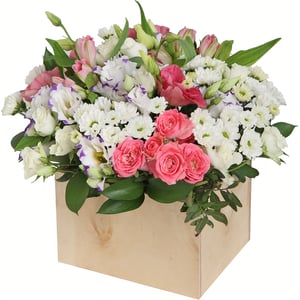




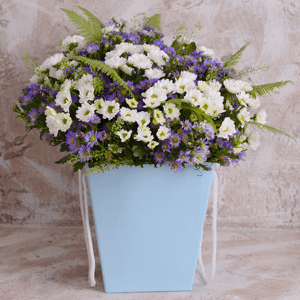
Desert plants produce flowers that rival orchids and roses in complexity and beauty — but they do it on nature's schedule, not ours. Understanding bloom timing helps you plan garden displays, photograph wildflowers, or simply appreciate what's happening outside your window at any given moment.
Spring super blooms (March–May): This season dominates the desert flower calendar. California poppies (Eschscholzia californica) carpet hillsides in golden orange. Desert lilies (Hesperocallis undulata) send up elegant white trumpets from sandy flats. Prickly pear cacti open bright yellow or magenta flowers. Brittlebush and desert marigold create sweeps of yellow. Arizona's Sonoran Desert reaches peak color in March and April, especially after a wet winter.
Understanding bloom timing helps you plan garden displays, photograph wildflowers, or simply appreciate what's happening outside your window at any given moment.
Summer monsoon blooms (July–September in the Sonoran): The Sonoran Desert's summer monsoon triggers a second bloom season. Saguaro flowers open in May and June, producing the Arizona state flower — a waxy, white, night-blooming blossom. Sacred datura (Datura wrightii) unfurls enormous white trumpets at dusk, attracting sphinx moths. Chuparosa (Justicia californica) produces tubular red flowers that hummingbirds adore. Texas sage erupts in purple flowers after monsoon downpours.
Rare winter bloomers: A handful of desert flowering plants bloom in winter. Chuparosa often starts blooming as early as February. Fairy duster produces red powder-puff flowers from December through March. Ocotillo may bloom in late winter after sufficient rainfall.
Desert blooms inspire some of the most striking floral arrangements you'll ever see. The bold shapes and saturated colors translate beautifully into bouquets and centerpieces. You can explore desert-themed arrangements on MyGlobalFlowers, where local florists craft and hand-deliver fresh designs to doorsteps worldwide.
Desert plants adaptations — how plants survive extreme conditions

Desert plants adaptations go far deeper than "they don't need much water." These organisms have evolved biochemical, structural, and reproductive strategies that read like science fiction — and understanding them changes how you think about plant intelligence.
Succulence strategy: A fully hydrated saguaro stores up to 200 gallons of water in its spongy internal tissue. Its pleated skin expands as it absorbs rainwater — a mature saguaro can gain a ton of weight after a single monsoon. Barrel cacti work similarly, with accordion-like ribs that stretch and contract. This stored water sustains these plants through months — sometimes years — of drought.
Desert plants adaptations go far deeper than "they don't need much water." These organisms have evolved biochemical, structural, and reproductive strategies that read like science fiction — and understanding them changes how you think about plant intelligence.
Root strategies: Desert plants split into two camps. Deep-rooted species like mesquite send taproots to astonishing depths — the deepest documented mesquite root reached 175 feet, tapping permanent groundwater. Shallow-rooted species like prickly pear and saguaro spread their roots outward just inches below the surface, creating a wide net to catch every drop from brief rainstorms. A mature saguaro's root system can extend radially as far as the cactus is tall.
Leaf modifications: Spines replace leaves on most cacti, slashing water loss through transpiration. Those spines also create a thin layer of still air around the plant that insulates against extreme heat. Creosote bush leaves curl tightly inward during drought, reducing their exposed surface area by up to 50%. Some species, like palo verde, shed their leaves entirely during dry periods and perform photosynthesis through green bark instead.
Reproductive timing: Ephemeral desert wildflowers take drought avoidance to its logical extreme. Their seeds contain chemical inhibitors that prevent germination until a heavy rain washes those chemicals away — ensuring germination only when enough water exists to complete the life cycle. Once triggered, these plants sprout, bloom, get pollinated, set seed, and die in as few as six weeks. The new seeds then wait — sometimes for decades — for the next sufficient rain.
CAM photosynthesis: This one surprised me when I first learned about it. Most plants open their stomata (microscopic pores) during the day to absorb CO₂ for photosynthesis. But opening stomata in desert heat means losing massive amounts of water to evaporation. CAM (Crassulacean Acid Metabolism) plants flip the script: they open stomata only at night, when temperatures drop and humidity rises. They store the absorbed CO₂ as malic acid, then use it for photosynthesis during daylight hours with stomata sealed shut. Cacti, agaves, and most succulents use CAM photosynthesis. It reduces water loss by up to 90% compared to conventional photosynthesis.
Desert animals and plants — a shared ecosystem
Desert plants and animals form partnerships that sustain entire ecosystems. Remove one species, and the effects cascade through the food web.
Saguaro provides nesting cavities. Gila woodpeckers hammer holes into saguaro trunks to build nests. After the woodpecker moves on, elf owls, purple martins, and brown-crested flycatchers move in. The saguaro's thick walls insulate these cavities, keeping temperatures inside roughly 20 °F cooler than the outside air. A single mature saguaro may host dozens of different animal species over its lifetime.
Remove one species, and the effects cascade through the food web.
Prickly pear fruits feed the community. When prickly pear tunas (fruits) ripen to a deep magenta in late summer, desert tortoises, javelinas, coyotes, ground squirrels, and dozens of bird species feast on them. The animals disperse prickly pear seeds across the landscape through their droppings, helping the cactus colonize new territory.
Joshua tree depends entirely on the yucca moth. The female yucca moth gathers pollen from one Joshua tree flower, flies to another, deposits the pollen, and then lays eggs inside the flower's ovary. The moth larvae eat some of the developing seeds but leave enough to ensure the tree reproduces. Neither species survives without the other — a textbook case of obligate mutualism.
Creosote bush shelters small animals. Kangaroo rats, sidewinder rattlesnakes, and roadrunners use creosote bush's dense canopy as shelter from predators and scorching midday sun. The creosote's root zone concentrates slightly higher soil moisture, attracting insects that feed lizards and small birds.
Plants in the desert biome form the base of fragile food webs. Because desert productivity is low compared to wetter ecosystems, the loss of even one dominant plant species can disrupt the survival of dozens of animal species. Conservation of plants found in the desert is inseparable from conservation of the animals that depend on them.
How to care for desert plants — practical tips
Desert plants reward you with beauty and resilience, but they do have specific needs. Follow these guidelines to keep your arid plants healthy indoors and out.
Watering:
- Water deeply but infrequently — soak the soil thoroughly, then let it dry completely before the next watering.
- Water outdoor desert plants every 10–14 days during summer and once a month during winter.
- Water indoor desert plants every 2–3 weeks in summer and once a month in winter.
- Check the top 2 inches of soil with your finger before watering — if it feels damp, wait.
Soil:
- Use fast-draining soil mixes for all container-grown desert plants.
- Blend your own mix with 50% standard potting soil and 50% perlite or coarse sand.
- Amend outdoor clay soils with gravel, decomposed granite, or pumice before planting.
Sunlight:
- Provide 6+ hours of direct sunlight for most outdoor desert plants.
- Place indoor cacti and succulents near south- or west-facing windows.
- Choose snake plants or haworthia for rooms with only indirect or low light.
Temperature:
- Protect outdoor desert plants from hard frost below 28 °F by covering them with frost cloth or moving pots indoors.
- Bring potted specimens inside during winter in USDA zones below 9.
- Keep indoor desert plants in rooms that stay between 60–85 °F for best growth.
Fertilizing:
- Feed once in early spring with a balanced, diluted fertilizer (half the recommended strength).
- Skip fertilizing entirely during fall and winter when plants enter dormancy.
- Avoid high-nitrogen fertilizers, which promote weak, leggy growth in cacti and succulents.
Repotting:
- Repot cacti and succulents every 2–3 years or when roots fill the container.
- Wear thick leather gloves when handling spiny species like barrel cactus and cholla.
- Choose pots only 1–2 inches larger in diameter than the current container — desert plants prefer snug quarters.
Common mistakes when growing desert plants (and how to avoid them)
Desert plants tolerate neglect better than almost any other plant group — but certain mistakes kill them fast. Here are the six most common errors and how to sidestep each one.
| ✗ | Overwatering. This is the number-one killer of desert plants, indoors and out. Root rot sets in within days in waterlogged soil. Let the top 2 inches of soil dry completely before watering again. If your pot has a saucer, empty any standing water within 30 minutes. |
| ✗ | Using non-draining pots. Decorative pots without drainage holes trap water at the bottom, creating a swamp where roots suffocate. Always pick containers with at least one drainage hole. If you love a decorative pot that lacks drainage, use it as an outer sleeve and keep the plant in a plain nursery pot inside. |
| ✗ | Planting in heavy clay soil outdoors. Clay holds water for days, mimicking the waterlogged conditions desert plants can't tolerate. Amend clay soil with gravel, decomposed granite, or pumice before planting. Raised beds filled with sandy, fast-draining soil work even better. |
| ✗ | Ignoring cold hardiness. Not all desert plants tolerate frost. A beautiful prickly pear that thrives in Phoenix may freeze to mush in Dallas during a January cold snap. Check the USDA hardiness zone for each species before planting outdoors. Saguaros, for instance, tolerate only zones 9–11, while certain prickly pear varieties handle zones as cold as 5. |
| ✗ | Placing indoor desert plants in low-light corners. Cacti and succulents stretch toward whatever light they can find (a phenomenon called etiolation), losing their compact shape and vibrant color. Move them to the brightest window available. If natural light is scarce, add a grow light on a timer set for 12–14 hours daily. |
| ✗ | Skipping acclimation. Nursery-grown desert plants often grow under shade cloth. Planting them directly in full sun causes sunburn — yes, plants sunburn too. Gradually introduce new plants to full sun over 7–10 days, increasing direct exposure by 1–2 hours each day. |
A final thought
Honestly, I think the biggest misconception about deserts is that they're lifeless. The truth? They might be the most resourceful ecosystems on the planet. Every plant you've read about here — from a 60-foot saguaro storing hundreds of gallons of water to a six-week ephemeral wildflower that waits decades for the right rainstorm — represents a solution to an almost impossible problem. These organisms don't just tolerate harsh conditions. They've turned scarcity into a design principle.
You don't need a backyard in Tucson to experience that resilience firsthand. Start small. One potted echeveria on a windowsill. One agave in a sunny corner of the yard. One barrel cactus on your desk at work. Desert plants ask very little of you and give back an enormous amount — structure, texture, and a quiet reminder that thriving doesn't always require abundance.





Send a living gift, hand-delivered
A local florist will hand-deliver a fresh arrangement to their door.