 EUR
EUR
 GBP
GBP
 CAD
CAD
 AUD
AUD

 ✨Boss’s Day✨
 Birthday
 Occasions
 Same Day
 Flowers
 Roses
Roses
 Plants
 Gifts
Gifts
 International Flower Delivery
Mosquito repellent plants
Mosquito repellent plants might be the most underrated weapon in your backyard arsenal — and honestly, most people don't realize just how powerful the right greenery can be. Here's a fact that stops people mid-conversation every time: mosquitoes kill more humans than any other animal on the planet. Not sharks, not snakes — mosquitoes. Over 700,000 deaths per year, according to the World Health Organization. And a single female mosquito can lay over 100 eggs in something as small as a bottle cap filled with standing water. That tiny puddle in your plant saucer? It's basically a mosquito nursery.
Now, the good news. Nature gave us a gorgeous, fragrant toolkit to fight back. The MyGlobalFlowers blog team — we're an international flower delivery service, but we're obsessed with all things botanical — put together this guide to help you turn your garden, patio, balcony, or even your kitchen windowsill into a mosquito-hostile zone. This article covers 25 plants that repel mosquitoes, organized for outdoor gardens, indoor spaces, shady corners, Florida landscapes, and containers.
By the time you finish reading, you'll walk away with a practical plant list, growing tips mapped to USDA hardiness zones, activation strategies most people don't know about, and common mistakes that actually make your mosquito problem worse. Let's dig in.
Bring beautiful, useful plants into your yard
Hand-arranged potted plants delivered by local florists worldwide.
Do mosquito repellent plants really work?
Before you fill your cart with mosquito repellent plants, let's talk science — because this is where most articles get lazy, and you deserve the full picture.
Plants produce volatile organic compounds (VOCs) as part of their natural defense system. Several of these compounds happen to interfere with how mosquitoes find you. Mosquitoes track you primarily through the carbon dioxide you exhale, your body heat, and the lactic acid on your skin. Specific plant chemicals disrupt that tracking system.
Here are the heavy hitters:
- Citronellal and citronellol — found in citronella grass andlemongrass — mask the CO₂ plume you exhale, making it harder for mosquitoes to locate you.
- Linalool — present in lavender, basil, and thyme — acts as aspatial repellent, meaning mosquitoes actively avoid areas saturated with this compound.
- Geraniol — concentrated in scented geraniums and lemon balm— disrupts mosquito olfactory receptors so effectively that the EPA lists it as a registered biopesticide.
- Nepetalactone — the compound in catnip — proved roughly tentimes more effective than DEET in a 2001 Iowa State University study. Ten times. I always find it surprising that a plant your cat rolls around in outperforms a chemical people have relied on for decades.
- Pyrethrin — extracted from chrysanthemums — doesn't justrepel mosquitoes; it attacks their nervous systems. Pyrethrin is the foundation of many commercial insecticides.
Here's the thing, though. Simply placing a potted plant on your patio won't create a force field. Plants store most of these compounds inside their leaf cells. You need to crush leaves, brush against foliage, or plant densely enough that natural wind action releases oils into the air. A single basil plant sitting quietly in a corner does very little. A dense border of basil, lavender, and rosemary along your seating area — now you're creating a genuine chemical barrier.
One more important note: the CDC still recommends EPA-registered repellents (DEET, picaridin, oil of lemon eucalyptus, IR3535) for areas where mosquito-borne diseases like West Nile, Zika, or Eastern Equine Encephalitis circulate. Plants serve as a helpful complementary layer, not a complete replacement. Think of natural mosquito repellent plants as your first line of defense — beautiful, fragrant, and genuinely effective — with traditional repellents as your backup for high-risk situations.
25 best mosquito repellent plants (the complete list)
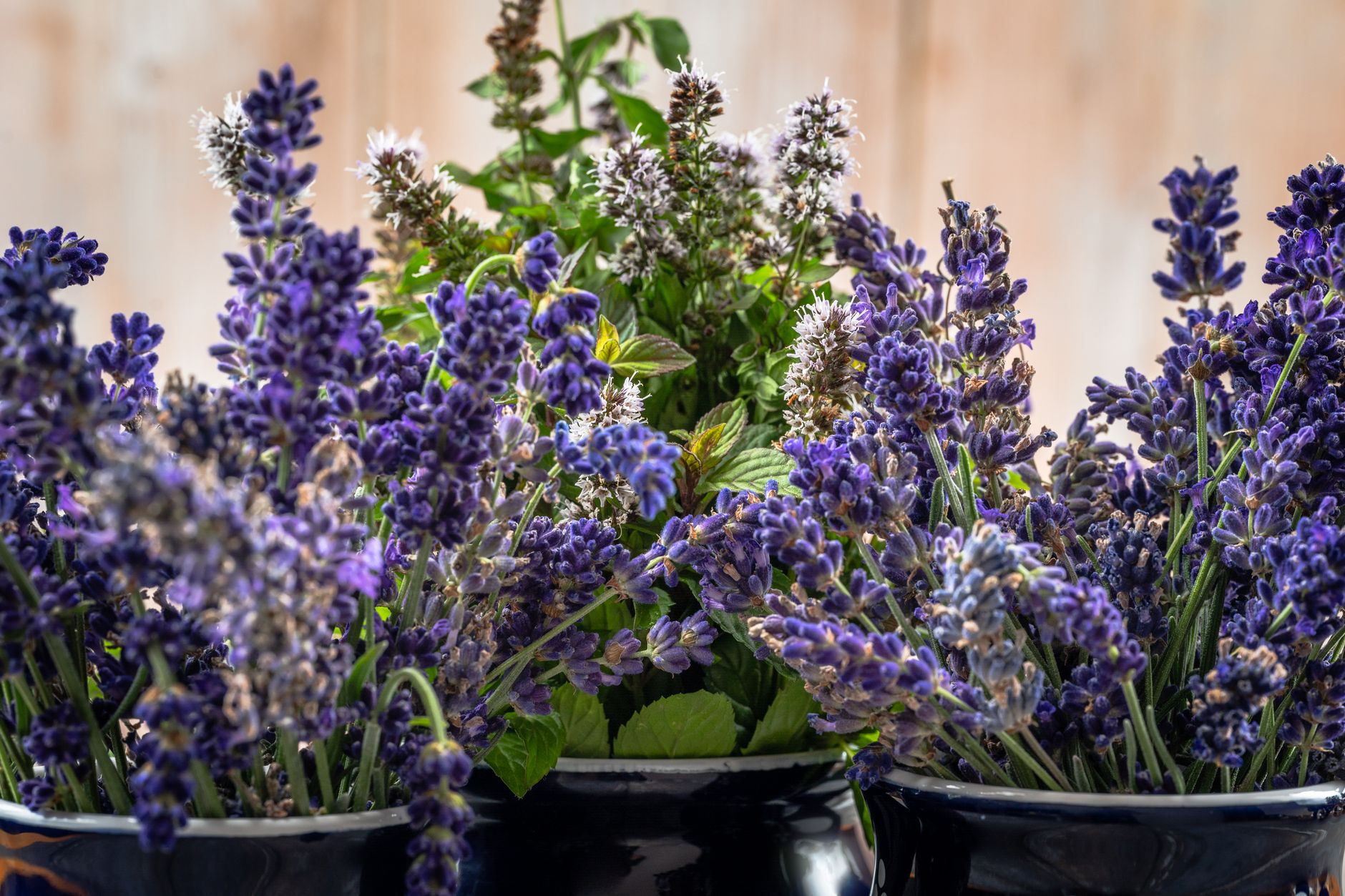
This list of the 25 best mosquito repellent plants covers everything from classic citronella to a carnivorous pitcher plant that literally eats mosquitoes. Each entry includes the common name, botanical name, USDA hardiness zones, sun preference, annual or perennial status, and a quick explanation of what plants mosquitoes hate — and why.
Citronella mosquito repellent plants
Citronella mosquito repellent plants are the ones most people think of first — and for good reason. Citronella oil is the gold standard in plant-based mosquito defense.
1. Citronella grass (Cymbopogon nardus) — Zones 10–12 | Full sun | Perennial in tropical zones, annual elsewhere
Citronella oil is the gold standard in plant-based mosquito defense.
Citronella grass produces the highest concentration of citronellal among common garden plants. This clumping grass grows 5–6 feet tall and releases its oils when wind rustles through the blades. Plant citronella grass in large containers near seating areas in zones below 10, and bring pots indoors before the first frost.
2. Lemongrass (Cymbopogon citratus) — Zones 9–11 | Full sun | Perennial in warm zones, annual elsewhere
Lemongrass contains both citronellal and geraniol, giving mosquitoes a double dose of confusion. This culinary favorite grows 3–5 feet tall and works hard in the kitchen — Thai soups, teas, stir-fries — while simultaneously defending your patio. Snap off a stalk, crush it, and rub the juicy interior on your arms for a quick DIY repellent.
3. Citronella geranium / scented geranium (Pelargonium citrosum) — Zones 9–11 | Full sun to partial shade | Perennial in warm zones, annual elsewhere
Scented geraniums smell like citronella but belong to the geranium family, not the grass family. These plants release their fragrance when you brush their deeply lobed leaves. Honestly, this one's underrated — scented geraniums thrive in containers, look beautiful on a porch railing, and tolerate a wider range of conditions than true citronella grass.
Herb-based plants that repel mosquitoes
Herbs pull double duty — plants that repel mosquitoes and season your dinner at the same time. Here are ten herb-based powerhouses.
4. Lavender (Lavandula) — Zones 5–9 | Full sun | Perennial
Herbs pull double duty — plants that repel mosquitoes and season your dinner at the same time.
Lavender repels mosquitoes with linalool, a compound that also gives lavender its calming scent. Lavender thrives in well-drained, slightly alkaline soil and laughs at drought. Plant a hedge of lavender along a walkway — you'll brush against the blooms every time you pass, releasing a burst of mosquito-confusing fragrance.
5. Rosemary (Salvia rosmarinus) — Zones 7–10 | Full sun | Perennial
Rosemary produces camphor and 1,8-cineole, both of which deter mosquitoes and several other garden pests. Rosemary grows into a gorgeous woody shrub — some varieties reach 4 feet tall — and tolerates heat, poor soil, and neglect. Toss a few sprigs onto the grill or into a fire pit, and the aromatic smoke clears mosquitoes from your entire seating area.
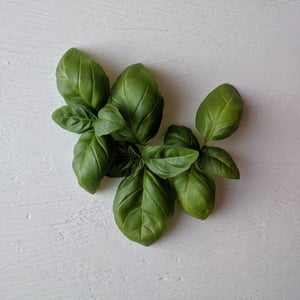
6. Basil (Ocimum basilicum) — Annual in most zones | Full sun
Basil is one of the few plants mosquitoes hate that doesn't require you to crush the leaves first. Basil emits its volatile oils continuously, even without contact. A 2009 study published in the Journal of Vector Ecology confirmed that basil essential oil provided over 100% repellency against certain mosquito species. Grow several pots near your back door and on your kitchen counter.
7. Peppermint (Mentha × piperita) — Zones 3–8 | Full sun to partial shade | Perennial
Peppermint contains menthol and pulegone, both proven spatial repellents. Peppermint spreads aggressively — always plant it in containers unless you want a mint takeover. Crush a handful of leaves and scatter them across your picnic table before a July 4th cookout for an instant mosquito deterrent.
8. Spearmint (Mentha spicata) — Zones 3–8 | Full sun to partial shade | Perennial
Spearmint shares peppermint's repellent properties but offers a sweeter, milder scent. Spearmint grows enthusiastically in almost any soil and tolerates partial shade better than most herbs. Use spearmint leaves in summer cocktails — mojitos and juleps — while the plant guards your patio perimeter.
9. Catnip (Nepeta cataria) — Zones 3–7 | Full sun to partial shade | Perennial
Catnip produces nepetalactone, the compound that tested ten times more effective than DEET in controlled lab settings. My personal favorite on this list — catnip is nearly indestructible, comes back every spring, and doubles as entertainment if you have cats. Plant catnip in containers or dedicated beds because neighborhood cats will roll around in open plantings and flatten everything nearby.
10. Lemon balm (Melissa officinalis) — Zones 3–7 | Partial shade to full sun | Perennial
Lemon balm packs citronellal — the same compound found in citronella grass — into a cold-hardy, shade-tolerant plant. Lemon balm self-seeds prolifically, so deadhead spent flowers unless you want lemon balm everywhere. Steep fresh leaves in hot water for a calming tea that's also a gentle topical mosquito repellent when cooled.
11. Sage (Salvia officinalis) — Zones 4–8 | Full sun | Perennial
Sage releases its mosquito-repelling compounds most effectively when burned. Dry bundles of sage and toss them into your fire pit — the smoke repels mosquitoes for a 10–15 foot radius. Sage grows into a handsome silvery-green mound that tolerates drought and poor soil once established.
12. Thyme (Thymus vulgaris) — Zones 5–9 | Full sun | Perennial
Thyme contains thymol, a compound so effective against mosquitoes that researchers at Yonsei University in South Korea found crushed thyme leaves provided 91% repellency for 60–90 minutes. Creeping thyme varieties work beautifully between stepping stones — every footstep releases a wave of mosquito-repelling oil.
13. Oregano (Origanum vulgare) — Zones 4–8 | Full sun | Perennial
Oregano produces carvacrol and thymol, both documented insect repellents. Oregano spreads quickly in sunny, well-drained spots and rewards you with tiny pink or purple flowers that attract beneficial pollinators. Harvest oregano generously — frequent cutting encourages new growth and keeps oil production high.
Flowering plants mosquitoes hate
These flowering plants that mosquitoes hate prove that pest control can be genuinely beautiful.
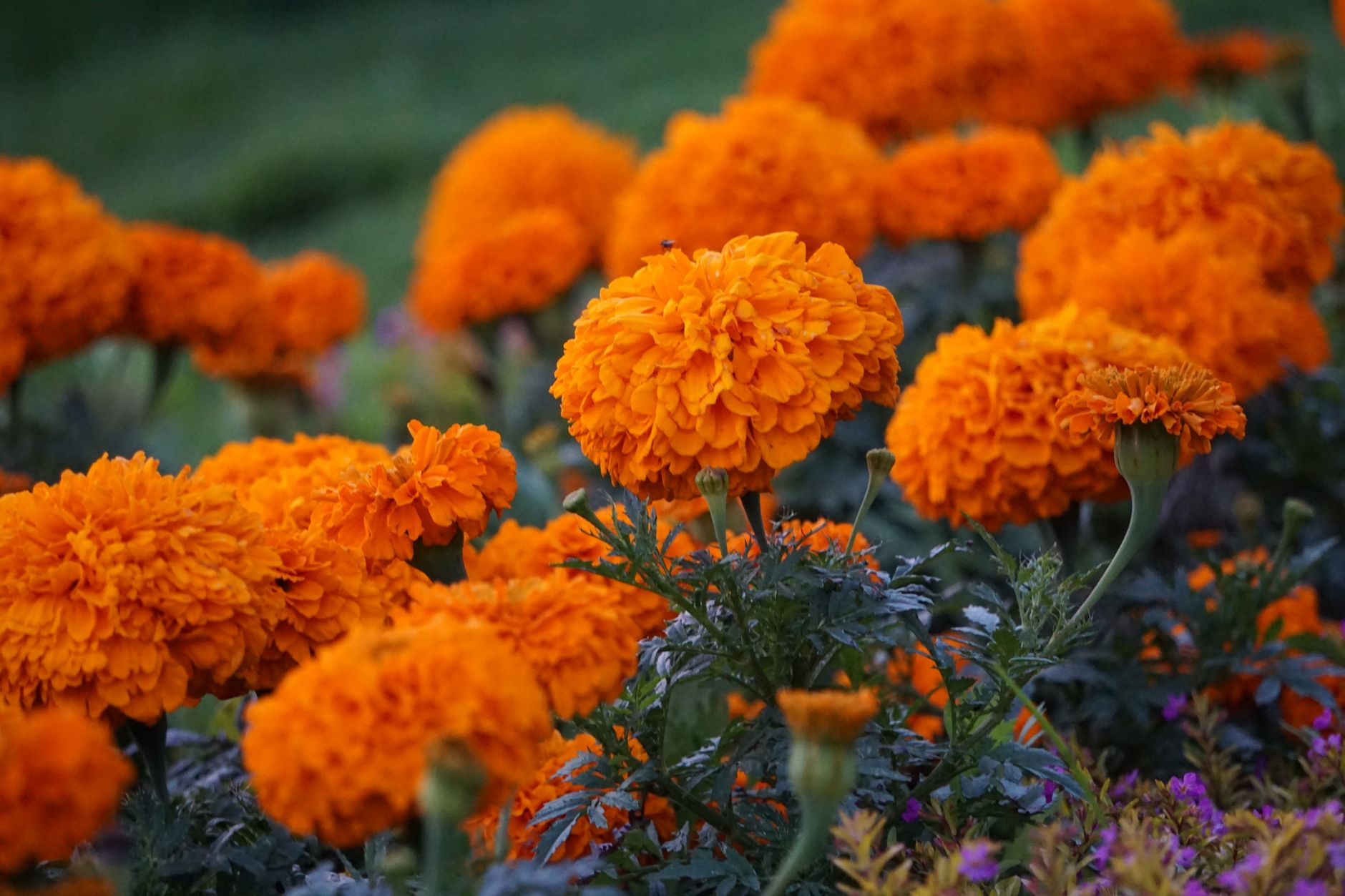
14. Marigold (Tagetes) — Annual | Full sun
These flowering plants that mosquitoes hate prove that pest control can be genuinely beautiful.
Marigolds contain pyrethrin and thiophenes, compounds that repel mosquitoes, aphids, whiteflies, and even rabbits. Marigolds are cheap, easy to grow from seed, and bloom from late spring through the first hard frost. Border your vegetable garden with marigolds — they protect your tomatoes and your ankles at the same time.
15. Bee balm (Monarda) — Zones 3–9 | Full sun to light shade | Perennial
Bee balm attracts hummingbirds, butterflies, and bees while repelling mosquitoes with its high concentration of thymol. Bee balm's shaggy, vibrant blooms — red, pink, purple, white — add drama to any perennial border. Choose mildew-resistant cultivars like 'Jacob Cline' or 'Raspberry Wine' for best results.
16. Floss flower / ageratum (Ageratum houstonianum) — Annual | Full sun to partial shade
Floss flower produces coumarin, a compound used in many commercial mosquito repellents. These compact plants grow 6–12 inches tall and produce fuzzy blue, pink, or white blooms that look lovely in borders and containers. Floss flower is mildly toxic — keep it away from pets who like to chew on plants.
17. Pennyroyal (Mentha pulegium) — Zones 6–9 | Full sun to partial shade | Perennial
Pennyroyal belongs to the mint family and produces pulegone, a potent mosquito repellent. This low-growing groundcover works well between pavers and along walkways. Important warning: pennyroyal is toxic if ingested by humans or pets — never use it in cooking, and keep it away from children and animals.
18. Lantana (Lantana camara) — Zones 8–11 | Full sun | Perennial in warm zones, annual elsewhere
Lantana's clusters of tiny, multicolored flowers produce a pungent scent that mosquitoes find deeply offensive. Lantana thrives in heat, tolerates drought, and blooms nonstop from spring through fall. A study in the Journal of the American Mosquito Control Association found that lantana reduced mosquito landing rates in test plots. Note: lantana is invasive in parts of the southeastern US — check your local guidelines before planting.
19. Nasturtium (Tropaeolum majus) — Annual | Full sun to partial shade
Nasturtiums release airborne chemicals called mustard oils that repel mosquitoes, whiteflies, and squash bugs. Nasturtiums grow fast, bloom abundantly, and produce edible flowers with a peppery kick. Plant nasturtiums as a "trap crop" around your garden — they lure aphids away from your prized plants while deterring mosquitoes overhead.
20. Chrysanthemum (Chrysanthemum spp.) — Zones 5–9 | Full sun | Perennial
Chrysanthemums produce pyrethrin, the natural insecticide that inspired the entire synthetic pyrethroid family of pesticides. Pyrethrin attacks the nervous systems of mosquitoes, flies, fleas, and ticks on contact. Plant chrysanthemums near doorways and windows — their blooms in late summer and fall coincide perfectly with peak mosquito season in many US regions.
Alliums and other savory defenders
These pungent plants that naturally repel mosquitoes bring bold flavor to your cooking and bold defense to your garden.
21. Garlic (Allium sativum) — Zones 3–8 | Full sun | Annual (harvested) or perennial (if left to multiply)
These pungent plants that naturally repel mosquitoes bring bold flavor to your cooking and bold defense to your garden.
Garlic releases allicin, a sulfur compound that mosquitoes despise. Gardeners have reported fewer mosquitoes near garlic beds for decades, and a 2005 study in the Indian Journal of Medical Research confirmed allicin's repellent effect. Plant garlic in the fall for a summer harvest — you'll get pest protection and culinary gold from the same square footage.
22. Ornamental allium (Allium spp.) — Zones 3–9 | Full sun | Perennial
Ornamental alliums produce the same sulfur compounds as garlic but display them atop dramatic globe-shaped flower heads that reach up to 5 inches across. These architectural beauties deter mosquitoes, deer, and rodents. Plant allium bulbs in fall, 6–8 inches deep, and enjoy months of drama the following spring and summer.
23. Tansy (Tanacetum vulgare) — Zones 3–8 | Full sun | Perennial
Tansy produces camphor and thujone, both effective mosquito repellents historically used in folk medicine and pest control. Tansy's button-like yellow flowers bloom from mid to late summer. Important warning: tansy spreads aggressively through rhizomes and self-seeding — plant it in containers or areas where you can control its spread, and never ingest tansy, as thujone is toxic.
Unique and underrated mosquito repelling plants
These two mosquito repelling plants rarely appear on competitor lists — and that's a shame, because both bring something genuinely different to the table.
24. Eucalyptus (Eucalyptus globulus) — Zones 8–11 | Full sun | Perennial tree in warm zones, container annual elsewhere
These two mosquito repelling plants rarely appear on competitor lists — and that's a shame, because both bring something genuinely different to the table.
Eucalyptus produces oil of lemon eucalyptus (OLE), one of only four plant-based active ingredients recommended by the CDC for mosquito protection. Eucalyptus leaves contain eucalyptol (1,8-cineole) and p-menthane-3,8-diol (PMD), both proven spatial repellents. In zones below 8, grow eucalyptus in large containers and overwinter indoors — the silvery-blue foliage looks stunning in any space.
25. Pitcher plant (Sarracenia spp.) — Zones 5–9 | Full sun | Perennial
Pitcher plants don't just repel mosquitoes — pitcher plants eat them. These carnivorous natives of the southeastern US trap insects in tubular, fluid-filled leaves. Mosquitoes land on the rim, slip inside, and drown. Pitcher plants require boggy, acidic soil and full sun. Grow them in a tray of distilled water with sphagnum peat moss. No competitor list includes a carnivorous plant, and honestly, the pitcher plant deserves a spot because it's the only entry here that fights mosquitoes through active predation rather than chemical deterrence.
Best outdoor mosquito repellent plants
When choosing outdoor mosquito repellent plants, focus on species that handle full sun, wind, and the wear and tear of a busy backyard. The best plants for mosquito repellent outdoors tend to be tough, drought-tolerant, and strongly aromatic.
Here's how to group mosquito repellent plants outdoor for maximum impact:
- Along walkways and garden borders: lavender + rosemary +marigolds. You'll brush against these plants every time you walk past, releasing clouds of linalool, camphor, and pyrethrin.
- Around seating areas and patios: lemongrass + citronella grassin large pots. Place them at the corners of your deck or the edges of your seating circle.
- Near the pool: lantana + scented geraniums in raised planters.Both handle reflected heat and full sun without flinching.
- Around doorways and gates: basil + chrysanthemums in containersflanking every entry point. Mosquitoes tend to follow you indoors — these two guard the threshold.
Placement matters more than most people realize. Position your outdoor plants that repel mosquitoes upwind of your seating area so the breeze carries their volatile oils toward you. Place shorter plants at ankle height near chairs and lounges — mosquitoes fly low, typically within 3 feet of the ground, and that's where the chemical barrier needs to be strongest.
Don't forget vertical space. Train rosemary up a trellis, hang baskets of scented geraniums from pergola beams, and place tall pots of lemongrass on raised plant stands. You're building a three-dimensional defense system — not just a flat border.
Best indoor mosquito repellent plants
Indoor mosquito repellent plants work best in rooms with good air circulation and enough natural light to keep the plants healthy and oil-productive. Mosquito repellent plants indoor don't need to be exotic — several common houseplants and kitchen herbs do the job beautifully.
Here's a room-by-room guide to indoor plants that repel mosquitoes:
- Kitchen windowsill: basil and rosemary. Both need 6–8 hours ofbright light, and both earn their counter space by going straight into your cooking.
- Living room: scented geraniums in a sunny window. Scentedgeraniums tolerate some neglect, bloom intermittently indoors, and release citronella-like fragrance when you brush past.
- Bedroom: lavender on a south-facing windowsill. Lavender'slinalool repels mosquitoes and promotes relaxation — a rare win-win.
- Bathroom: peppermint in a bright window. Peppermint toleratesthe humidity most bathrooms provide and keeps the air smelling fresh while deterring any mosquitoes that sneak through vents.
A few honest notes about indoor mosquito repellent plants. Indoor effectiveness is lower than outdoor because the concentration of volatile compounds in a well-ventilated room rarely reaches the threshold that stops a determined mosquito. Complement your indoor plants with window screens, a small oscillating fan (mosquitoes can't fly well in even light wind), and a strict no-standing-water policy inside your home. Empty plant saucers within 30 minutes of watering. That one habit alone eliminates the number one indoor mosquito breeding site.
Light is the biggest challenge for indoor success. Most mosquito-repelling herbs need at least 6 hours of direct sunlight. A south-facing window works best. Supplement with a full-spectrum grow light during winter months — a simple 25-watt LED panel on a timer gives basil and rosemary enough photons to keep producing those essential oils.
Perennial plants that repel mosquitoes
Perennial plants that repel mosquitoes save you money, effort, and time because they come back year after year. You plant once, and the mosquito defense system rebuilds itself every spring.
Here are the best perennial mosquito repellent plants mapped to USDA hardiness zones so you can find what works in your region:
- Zones 3–7: catnip, lemon balm, peppermint, spearmint, sage, beebalm, oregano, garlic, tansy, ornamental alliums
- Zones 5–9: lavender, thyme, chrysanthemums, pitcher plant
- Zones 7–10: rosemary (treat as perennial in Zone 7 only withexcellent drainage and winter mulch)
- Zones 8–11: lantana, eucalyptus
- Zones 9–12: citronella grass, lemongrass, scented geraniums(perennial only in these warmer zones)
The cost savings add up quickly. A six-pack of annual basil plants costs $4–$6 every spring. A single catnip plant — $3 to $5 — spreads to fill a 3-foot area within two seasons and keeps producing nepetalactone for a decade or more. Multiply that across an entire garden border, and perennial mosquito repellent plants pay for themselves within the first year.
Maintenance is straightforward. Cut perennials back by one-third in early spring before new growth starts. Divide mint, lemon balm, and bee balm every 2–3 years to prevent overcrowding. Top-dress with compost in spring — healthy, vigorous plants produce significantly more essential oils than stressed, neglected ones.
Shade plants that repel mosquitoes

Most articles about mosquito repellent plants ignore one critical reality: shade plants that repel mosquitoes are exactly what you need for the areas where mosquitoes are worst. Mosquitoes rest in shaded, humid spots during the hottest part of the day — under porches, along north-facing walls, beneath tree canopies. Those are the zones that need the most protection, and those are the zones where full-sun plants fail.
Here are five reliable shade-tolerant plants that naturally repel mosquitoes:
- Lemon balm (Zones 3–7) — thrives in partial to full shade andproduces citronellal without needing direct sun. Lemon balm actually prefers afternoon shade in hot climates, making it perfect for north-facing beds and woodland edges.
- Peppermint and spearmint (Zones 3–8) — both mints toleratesignificant shade and spread enthusiastically under trees, along fence lines, and in shady alleyways between buildings. Contain them in pots or use landscape edging.
- Bee balm (Zones 3–9) — performs well in light shade,especially varieties like 'Petite Delight' and 'Leading Lady Plum.' Bee balm does need good air circulation in shade to prevent powdery mildew.
- Catnip (Zones 3–7) — handles partial shade gracefully andstill produces enough nepetalactone to confuse every mosquito in the neighborhood. Catnip blooms less profusely in shade but compensates with lush, aromatic foliage.
- Garlic (Zones 3–8) — tolerates partial shade for leaf growth,though bulb development favors full sun. Interplant garlic throughout shady garden beds for a persistent low-level allicin release.
One important consideration for shaded areas: shade retains moisture. Moisture creates the damp microhabitats mosquitoes love. Combine your shade-loving repellent plants with excellent drainage — raised beds, gravel mulch, or French drains — and eliminate any standing water in saucers, buckets, or low spots. A shade garden with good drainage and a border of mint and lemon balm creates a genuinely hostile environment for mosquitoes.
Mosquito repellent plants for Florida
Mosquito repellent plants earn their keep in Florida more than almost anywhere else in the country. Florida's warm, humid climate spans USDA Zones 8b through 11, and mosquito season runs essentially year-round in the southern half of the state. The combination of heat, humidity, frequent rain, and standing water in canals, retention ponds, and low-lying yards makes Florida a mosquito paradise — unless you fight back.
Here are the best plants that repel mosquitoes Florida gardeners can rely on:
- Citronella grass (Zones 10–12) — grows as a true perennial inSouth Florida and produces massive clumps of fragrant foliage year-round. Plant it along fence lines and around outdoor living spaces.
- Lemongrass (Zones 9–11) — thrives in Florida's heat andhumidity. Lemongrass grows fast, looks tropical, and gives you fresh stalks for cooking.
- Lantana (Zones 8–11) — blooms 365 days in South Florida andhandles sandy, alkaline soils. Caution: Lantana camara is classified as a Category I invasive plant by the Florida Exotic Pest Plant Council. Choose sterile cultivars like 'New Gold' or native Lantana depressa (Florida native lantana) instead.
- Marigolds (Annual) — grow year-round in Florida's frost-freezones. Start new plantings in September for fall and winter color, and again in March for spring and summer.
- Basil (Annual) — loves Florida's heat but struggles in thestate's frequent summer downpours. Plant basil in raised beds or containers with excellent drainage.
- Rosemary (Zones 7–10) — grows beautifully in North andCentral Florida. In South Florida, rosemary can struggle with the humidity — choose upright varieties like 'Tuscan Blue' and plant in sandy, fast-draining soil.
- Scented geraniums (Zones 9–11) — thrive as year-roundcontainer plants throughout the state. Move pots to afternoon shade during the hottest summer months to prevent leaf scorch.
- Pennyroyal (Zones 6–9) — works as a groundcover in North andCentral Florida. Remember: pennyroyal is toxic to humans and pets if ingested.
Florida-specific tips for mosquito repellent plants Florida gardeners should remember:
- Plant in raised beds or containers for drainage. Florida's flatterrain, high water table, and clay hardpan in many areas trap water — exactly what mosquitoes want.
- Combine plants with mosquito dunks (Bti — Bacillusthuringiensis israelensis) in rain barrels, birdbaths, and ornamental ponds. Bti kills mosquito larvae without harming birds, fish, pets, or beneficial insects.
- Check your county's invasive species list before planting lantana,lemongrass, or any non-native species. Florida's ecosystem is particularly vulnerable to invasive plants.
- Schedule plantings around Florida's two-season rhythm: the dryseason (November–April) and the wet season (May–October). Plant drought-tolerant species like rosemary and lantana at the start of the dry season, and moisture-loving species like lemongrass and basil at the start of the wet season.
How to maximize the effectiveness of your mosquito repellent plants
Owning mosquito repellent plants is step one. Activating them is where the real magic happens. Here are the best plants for mosquito repellent — and the specific techniques that make them work harder.
Crush or brush leaves before outdoor gatherings. Walk along your garden border 15–20 minutes before guests arrive and pinch or rub the leaves of your lavender, basil, rosemary, and mint. This releases a burst of volatile oils into the air and creates a temporary aromatic cloud. Repeat every 45–60 minutes during your event.
Activating them is where the real magic happens.
Plant densely. A single potted basil won't protect a 500-square-foot deck. You need mass — continuous borders, grouped containers, and layered plantings. Aim for at least 3–4 different repellent species within arm's reach of every seat.
Position plants at seating level and near entry points. Mosquitoes fly low and follow human CO₂ trails through doors, gates, and windows. Place your strongest-scented plants — basil, citronella grass, and scented geraniums — at these choke points.
Burn dried rosemary or sage in a fire pit. This is one of the most effective activation techniques available. Gather dried rosemary stems or sage bundles and add them to your fire pit or charcoal grill. The aromatic smoke repels mosquitoes from a 15–20 foot radius. Perfect for Memorial Day cookouts, Labor Day parties, and every backyard gathering in between.
Combine plant strategies with habitat management. Plants alone aren't enough. Eliminate standing water in gutters, saucers, tarps, kids' toys, and tire swings. Use a small oscillating fan on your porch — mosquitoes can't fly in wind above 1 mph. Wear light-colored clothing, since mosquitoes track dark silhouettes against the sky.
Harvest leaves to make DIY sprays. Rub crushed basil, lemon balm, or catnip leaves directly on your skin for quick protection. For a longer-lasting spray, steep a large handful of mixed herbs (lavender, rosemary, mint, lemon balm) in 8 ounces of witch hazel for 48 hours, strain, and pour into a spray bottle. Store in the refrigerator for up to two weeks. This won't match DEET for duration, but it smells fantastic and provides a solid 30–45 minutes of repellency per application.
Common mistakes to avoid with mosquito repelling plants
Even experienced gardeners make these mistakes with mosquito repelling plants. Avoid them and your mosquito repellent plants will actually deliver results.
Mistake 1: Buying a "citronella plant" and expecting it to work like a citronella candle. The scented geranium sold as a "citronella plant" at garden centers contains some citronella-related compounds, but it doesn't emit enough oil passively to repel mosquitoes from a distance. You need to crush the leaves, plant densely, or combine the geranium with other repellent species. A single pot sitting quietly on your patio railing is mostly decorative.
Avoid them and your mosquito repellent plants will actually deliver results.
Mistake 2: Overwatering mint or lemon balm. Mint and lemon balm like moist soil, but soggy saucers and pooling water in overwatered containers create standing water that attracts mosquitoes. You're literally breeding mosquitoes next to your repellent plant. Water thoroughly, then empty saucers within 30 minutes. Use pots with excellent drainage holes.
Mistake 3: Planting only one species. Mosquitoes adapt. A single-scent defense is easier for them to navigate than a complex chemical cocktail. Diversity matters — combine citronella-based plants with herb-based plants and flowering repellents. Three or four species working together confuse mosquito olfactory systems more effectively than any single species can.
Mistake 4: Ignoring hardiness zones. A Zone 10 citronella grass won't survive winter in Zone 5. A Zone 3 catnip might bolt and go dormant in Zone 10 heat. Match every plant to your local USDA zone, and grow zone-incompatible plants in containers you can move indoors. This sounds obvious, but I see it constantly — gardeners spend $40 on lemongrass in Minnesota and wonder why it dies in November.
Mistake 5: Forgetting to maintain plants. Leggy, stressed, root-bound plants produce fewer essential oils. Prune regularly to encourage bushy growth. Fertilize lightly with a balanced organic fertilizer once a month during the growing season. Replace annuals when they get scraggly. A healthy, vigorous plant produces dramatically more volatile compounds than a neglected one — and volatile compounds are the entire point.
Beyond plants — additional natural mosquito control tips
Mosquito repellent plants work best as part of a layered defense. Plants alone reduce mosquito activity, but combining them with habitat management and natural predators gives you the best protection without harsh chemicals.
Remove standing water relentlessly. Walk your property once a week and dump any water that has collected in gutters, flower pot saucers, birdbaths, tarps, wheelbarrows, kids' wading pools, and rain gauge tubes. Mosquitoes can breed in as little as a tablespoon of water that sits for more than five days.
Plants alone reduce mosquito activity, but combining them with habitat management and natural predators gives you the best protection without harsh chemicals.
Trim tall grass and dense shrubs. Adult mosquitoes rest in cool, shady, humid vegetation during the day. Mow your lawn regularly, trim hedges, and clear debris from under decks and porches. Fewer resting sites mean fewer mosquitoes lingering near your living spaces.
Use outdoor fans. This is the easiest, cheapest, most immediately effective mosquito control method available — and barely anyone talks about it. Mosquitoes struggle to fly in wind above 1 mph. A standard box fan or oscillating pedestal fan pointed at your seating area creates a wind barrier mosquitoes simply cannot penetrate. Point a fan under your patio table for ankle-level protection.
Encourage natural predators. A single little brown bat eats up to 1,000 mosquitoes per hour. Install a bat house on a south-facing wall or pole at least 12–15 feet high. Dragonflies — both adults and nymphs — consume enormous numbers of mosquitoes. A backyard pond with native aquatic plants attracts dragonflies. Purple martins eat mosquitoes too, though mosquitoes make up a smaller percentage of their diet than popular myth suggests.
Consider Bti (Bacillus thuringiensis israelensis). Bti is a naturally occurring soil bacterium that kills mosquito larvae in standing water without harming birds, fish, pets, bees, or other beneficial insects. Drop a mosquito dunk in any standing water you can't eliminate — rain barrels, ornamental ponds, drainage ditches. Bti is organic-certified and available at any hardware store for about $10 per six-pack.
Picture this: a patio bordered with lavender and rosemary, basil in pots by the door, a fan under the table, a bat house on the garage, and a mosquito dunk in the rain barrel. That's five layers of defense — none of them chemical, all of them working together. That's how you win the mosquito war.
Bring the beauty of plants into every part of your life
Gardening with mosquito repellent plants turns pest control into something genuinely beautiful and productive. You're not just spraying chemicals and hoping for the best — you're building a living, fragrant, edible landscape that happens to make mosquitoes miserable. Every lavender hedge smells like relaxation. Every basil pot promises pesto. Every rosemary sprig reminds you that the best solutions often come from the ground up.
Start small. One container with basil and lavender by the back door. Add a pot of lemongrass next to your favorite chair. Tuck some catnip into a shady corner. Expand from there — season by season, you'll build a yard that smells incredible, looks stunning, and gives mosquitoes no reason to stick around.
Looking for a gift that keeps on giving? Browse potted plants and fresh arrangements in the




Send a living gift, hand-delivered
A local florist will hand-deliver fresh plants to their door.