 EUR
EUR
 GBP
GBP
 CAD
CAD
 AUD
AUD

 ✨Boss’s Day✨
 Birthday
 Occasions
 Same Day
 Flowers
 Roses
Roses
 Plants
 Gifts
Gifts
 International Flower Delivery
Fragrant flowers: your guide to the best smelling blooms for every garden and bouquet
Fragrant flowers trigger emotional memories faster than any other sensory experience — the human brain processes scent through the limbic system, which governs both emotion and recall. That means one whiff of a gardenia can transport you straight back to your grandmother's porch. Whether you grow flowers that smell good in your backyard or order a scented bouquet for someone special, knowing which blooms carry the strongest perfume changes the game entirely.
This guide covers the most fragrant flowers you can grow, gift, or simply enjoy. You'll find specific varieties sorted by color, practical growing tips for U.S. climates, and honest advice on keeping cut stems smelling fresh for days.
Top 10 most fragrant flowers you should know
The best smelling flowers share one trait: they produce volatile organic compounds — molecules light enough to float through air and reach your nose. Some release scent all day. Others save their perfume for nightfall. Here are 10 standouts that consistently rank among the most fragrant flowers worldwide.
1. Gardenia (Gardenia jasminoides)
Gardenias produce a thick, creamy scent that perfumers describe as "white floral." A single bloom can scent an entire room. Gardenias thrive in USDA Zones 8–11 and prefer acidic soil with a pH between 5.0 and 6.0. Place gardenias in morning sun and afternoon shade — full Southern sun scorches the waxy white petals within hours.
2. Jasmine (Jasminum)
Jasmine releases its strongest fragrance after sunset. The species Jasminum sambac (Arabian jasmine) blooms year-round in Zones 9–11 and produces small white flowers that weigh almost nothing yet carry an enormous scent. Night-blooming jasmine (Cestrum nocturnum) can perfume air up to 300 feet from the plant.
3. Rose (Rosa)
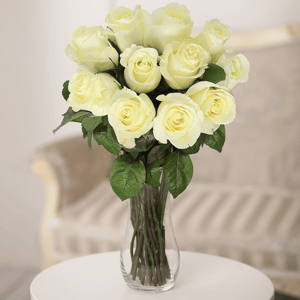
Not all roses smell good. Hybrid teas bred for long vase life often sacrifice scent. Old garden roses — Damask, Bourbon, and Centifolia varieties — pack the most fragrance. The Damask rose (Rosa damascena) contains over 300 aromatic compounds. For strong scent in a modern rose, look for 'Mister Lincoln' (deep red) or 'Double Delight' (cream-and-red bicolor).
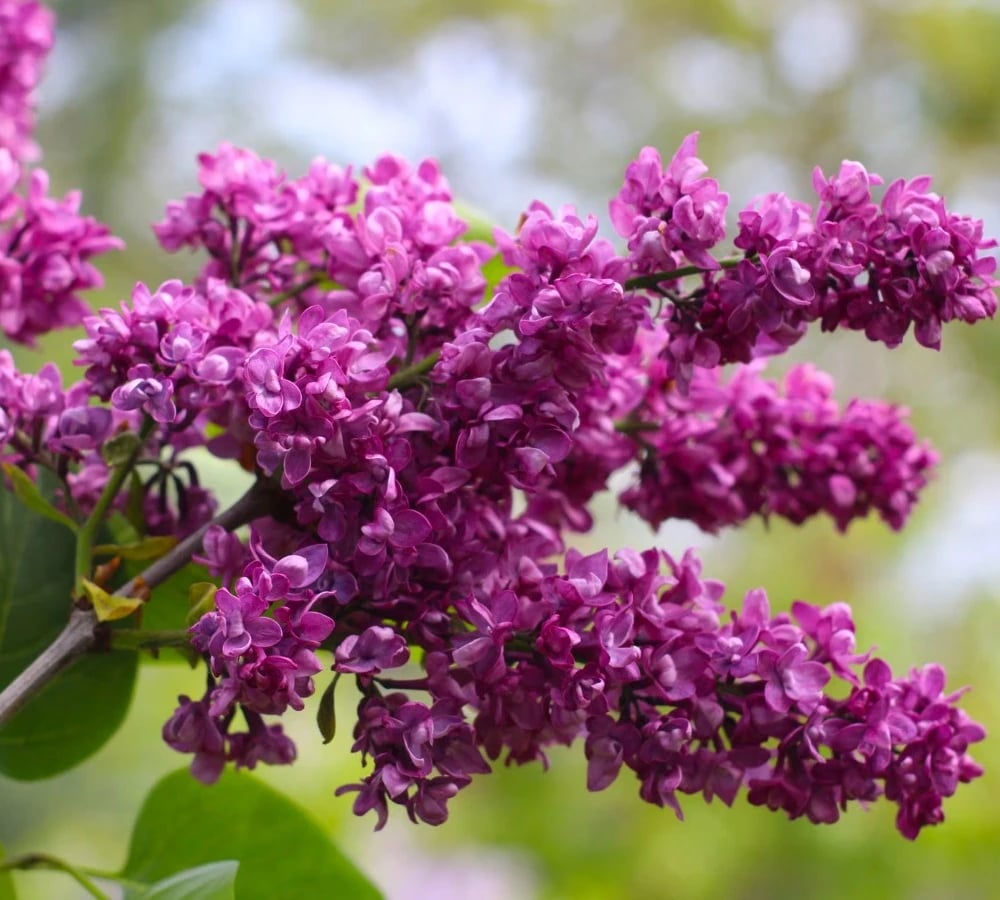
4. Lilac (Syringa vulgaris)
Lilacs need 1,200–1,500 chill hours below 45°F to bloom well. That makes lilacs a natural fit for Zones 3–7. A mature lilac bush can reach 15 feet tall and produce hundreds of panicles in a single spring season. Peak bloom lasts roughly 2 weeks, typically in late April through mid-May depending on your latitude.
5. Lily of the Valley (Convallaria majalis)
Lily of the Valley packs a deceptively powerful scent into tiny bell-shaped flowers barely half an inch long. The fragrance inspired the famous Diorissimo perfume, created in 1956 by Edmond Roudnitska. A word of caution: every part of this plant contains toxic glycosides. Keep lily of the valley away from pets and small children.
6. Freesia
Freesias deliver a bright, peppery-sweet scent that perfumers often describe as "green" with citrus undertones. White and yellow freesias carry the strongest fragrance. Florists frequently add freesias to spring bouquets because the blooms last 5–10 days in a vase with fresh water.
7. Honeysuckle (Lonicera)
Honeysuckle pumps out waves of sweet fragrance from late spring through summer. Japanese honeysuckle (Lonicera japonica) grows aggressively in Zones 4–9 — so aggressively that several U.S. states classify the vine as invasive. For a well-behaved alternative, choose 'Major Wheeler' coral honeysuckle, native to the Southeast.
8. Hyacinth (Hyacinthus orientalis)
Hyacinths bloom in early spring, often appearing in March or April. A single bulb produces one flower spike loaded with 40–60 tiny florets, and the combined effect fills a whole garden bed with perfume. Plant hyacinth bulbs 6–8 inches deep in fall for spring blooms. Hyacinths perform best in Zones 4–8.
9. Sweet pea (Lathyrus odoratus)
Sweet peas carry a delicate, honey-like scent that intensifies in cool weather. Direct-sow sweet pea seeds in late February or early March in most of the continental U.S. The vines climb 6–8 feet on a trellis and bloom nonstop when you cut the flowers regularly. Skip the newer dwarf cultivars for fragrance — the old-fashioned tall varieties smell far stronger.
10. Magnolia (Magnolia grandiflora)
Southern magnolia blooms measure up to 12 inches across. Each flower releases a lemony, slightly fruity scent. Magnolia trees dominate landscapes in the Southeast, growing up to 80 feet tall in Zones 7–9. The blooming window stretches from late May through July, and individual flowers last only 2–3 days before browning.
White fragrant flowers: clean scent, classic look
White flowers that smell good dominate the fragrance world. Why? White blooms evolved to attract night-flying pollinators like moths, and strong scent compensates for low visibility at dusk. Here are standout fragrant white flowers beyond the gardenias and jasmine already mentioned.
Tuberose (Agave amanniensis, formerly Polianthes tuberosa)
Tuberose produces one of the most intense floral scents on Earth. Perfumers call tuberose scent "narcotic" because of its heady, almost dizzying richness. A single spike carries 20–30 waxy white florets. Plant tuberose bulbs outdoors after the last frost date — the bulbs need soil temperatures above 60°F.
Stephanotis (Stephanotis floribunda)
Stephanotis, also known as Madagascar jasmine, releases a clean, sweet scent. Wedding planners in the U.S. have used stephanotis in bridal bouquets since the Victorian era. The vine grows best indoors north of Zone 10. Keep stephanotis in bright indirect light and mist the leaves weekly.
Orange blossom (Citrus sinensis)
Orange blossoms perfume entire neighborhoods in Florida and Southern California each spring. The essential oil — neroli — commands prices around $800–$1,200 per pound. Orange trees bloom in Zones 9–11. Even a small potted Meyer lemon tree produces fragrant white flowers indoors.
Plumeria (Plumeria rubra)
Plumeria flowers carry a tropical, coconut-tinged scent that strengthens in morning hours. You can grow plumeria in pots in USDA Zones 4–8 by bringing the plants indoors when temperatures drop below 50°F. Hawaiian lei makers use roughly 500 plumeria flowers per lei.
Fragrant purple flowers: bold color, rich perfume
Purple flowers that smell good add both visual drama and aromatic depth to gardens and arrangements. The pigments responsible for purple coloring (anthocyanins) often appear in plants that also produce potent essential oils.
Lavender (Lavandula)
Lavender thrives in poor, sandy soil with strong drainage — overwatering kills lavender faster than any pest. English lavender (Lavandula angustifolia) grows in Zones 5–8 and flowers from June through August. French lavender (Lavandula stoechas) handles heat better in Zones 8–9. One acre of lavender yields about 15 pounds of essential oil.
Heliotrope (Heliotropium arborescens)
Heliotrope smells like cherry pie. Seriously. The variety 'Marine' produces deep violet flower clusters and grows 12–18 inches tall as an annual in most U.S. zones. Heliotrope fades fast in extreme heat above 95°F, so gardeners in the South should plant heliotrope in filtered shade.
Wisteria (Wisteria sinensis and W. frutescens)
Chinese wisteria drapes arbors with grape-scented purple racemes that can reach 12 inches long. A mature wisteria vine may take 7–15 years to bloom from seed, so buy grafted plants for faster results. Choose American wisteria (W. frutescens) in the Southeast — the species grows less aggressively than its Asian cousins and won't strangle nearby trees.
Butterfly bush (Buddleia davidii)
Butterfly bush produces long, cone-shaped purple flower spikes from midsummer through fall. The honey-like fragrance attracts dozens of butterfly species per plant. Newer dwarf cultivars like 'Pugster Blue' reach only 2 feet tall. Some U.S. states restrict invasive older varieties, so check your local regulations before planting.
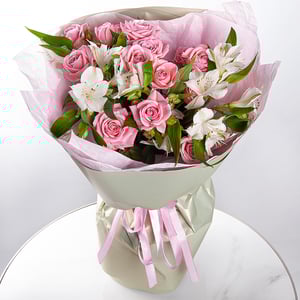
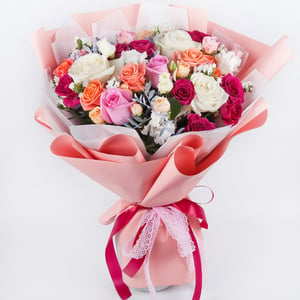
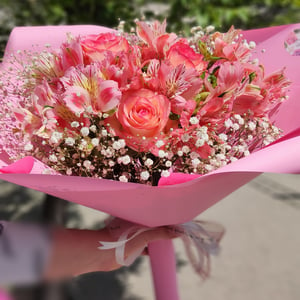
Choosing fragrant flowers for cut bouquets
Fragrant flowers behave differently in a vase than in a garden. Here's what to know before you build a scented arrangement or order one for delivery.
Scent-strong choices for indoor bouquets:
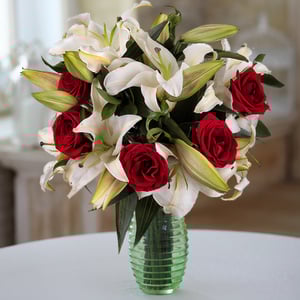
- Stargazer lilies (Oriental hybrid — each stem perfumes an entire room)
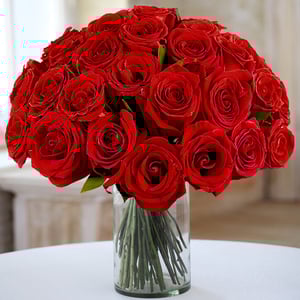
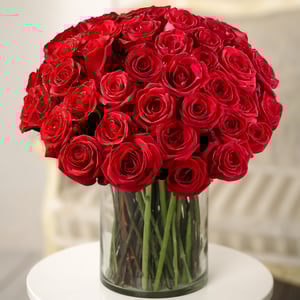
- Garden roses such as 'Juliet' or 'Patience' from David Austin
- Stock flowers (Matthiola incana) with their clove-like spice
- Peonies, especially 'Sarah Bernhardt' and 'Festiva Maxima'
- Freesias in white, yellow, or pale pink
Flowers that lose scent quickly once cut:
- Lilacs (scent fades within 24–48 hours in a vase)
- Magnolias (petals brown and scent disappears within a day)
- Honeysuckle (wilts rapidly without the vine's root system)
- Wisteria (individual florets drop almost immediately)
A quick tip: you get the strongest scent from flowers cut in the early morning, before the sun evaporates volatile oils from the petals. Trim each stem at a 45-degree angle and place flowers in lukewarm water immediately.
Looking for a fresh seasonal bouquet?
Browse arrangements from local florists and choose a style that suits the occasion and the recipient.
Best fragrant flowers for U.S. holidays and occasions
Certain best smelling flowers pair naturally with American celebrations. Here's a practical breakdown.
- Valentine's Day (February 14): Garden roses in red or pink deliver both visual impact and scent. 'Mister Lincoln' red roses and David Austin's 'Keira' give you deeper fragrance than standard long-stem hybrids. Add a few stems of freesia for complexity.
- Mother's Day (second Sunday in May): Peonies hit peak season in May across Zones 4–7. A mixed bouquet of peonies and garden roses creates layered fragrance. Lilacs also bloom in early May — grab them while you can.
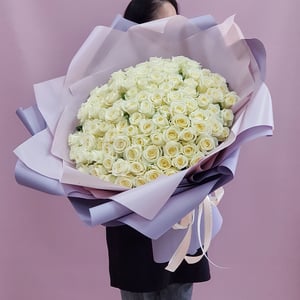
- Memorial Day (last Monday in May): White fragrant flowers carry a dignified, respectful tone. Gardenias, stephanotis, or white stock work well in remembrance arrangements.
- Thanksgiving (fourth Thursday in November): Tuberose and stock still show up in November markets. Pair these fragrant stems with autumn foliage and dried eucalyptus for a table centerpiece that smells as good as the meal cooking in the kitchen.
- Sympathy occasions: White lilies, especially Casablanca lilies, remain the most requested fragrant flower for sympathy arrangements. A single Casablanca stem carries 5–8 blooms and scents a viewing room effortlessly.
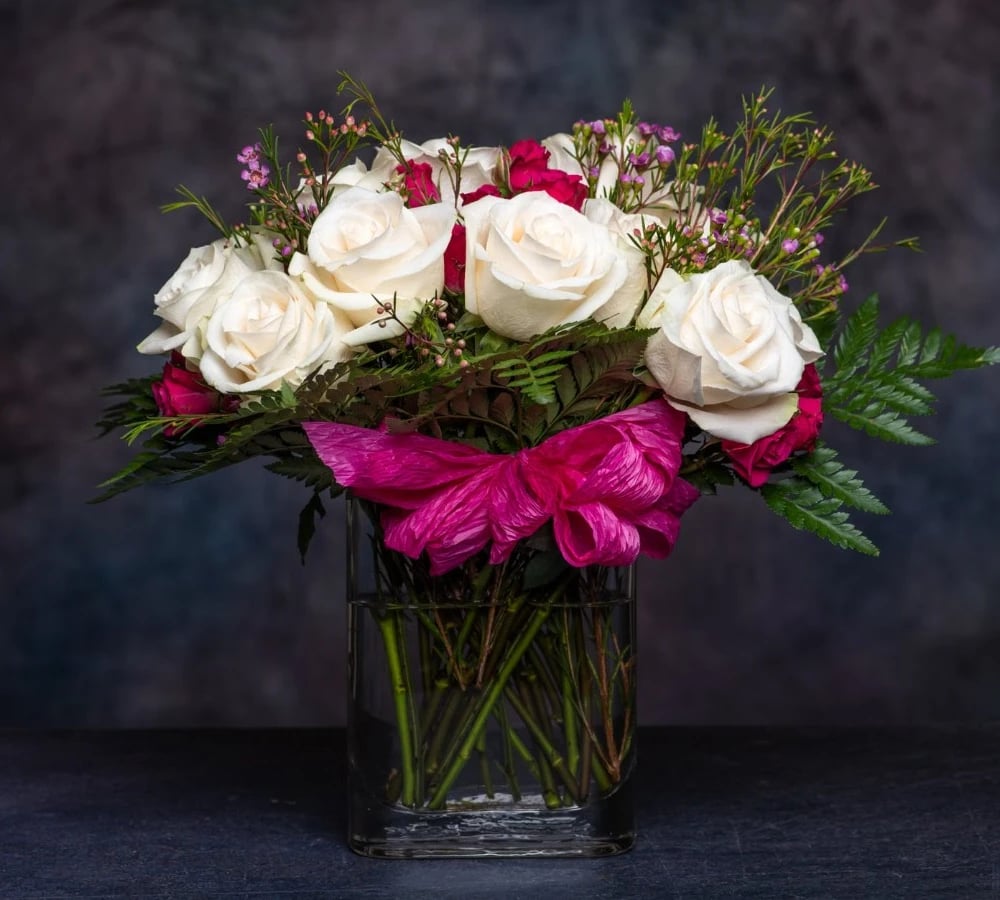
How to keep fragrant cut flowers fresh longer
Most fragrant flowers have shorter vase lives than odorless varieties. The same oils that create scent also accelerate petal breakdown. You can slow the process with these steps.
- Change the vase water every single day — bacteria multiply fast in warm rooms.
- Trim 1 inch off each stem every 2 days with sharp shears (crushed stems block water intake).
- Keep the vase away from direct sunlight, heating vents, and fruit bowls (ripening fruit releases ethylene gas, which wilts flowers faster).
- Strip every leaf that falls below the waterline to prevent bacterial growth.
- Set your thermostat below 72°F if you want blooms to last — cool rooms preserve scent and freshness.
- Add a commercial flower preservative packet to the water (most packets contain sugar, citric acid, and a mild biocide).
Lilies deserve special attention. Remove the orange pollen-covered anthers as soon as the buds open. The pollen stains clothing and furniture, and removing anthers actually extends bloom time by 2–3 days because the flower "thinks" pollination hasn't occurred yet.
Common mistakes when growing fragrant flowers
Even experienced gardeners fumble these points.
- ✗Overwatering lavender and rosemary. Mediterranean herbs and flowers need dry feet. Soggy roots cause root rot within weeks. Use raised beds or amend clay soil with coarse sand before planting lavender.
- ✗Planting fragrant flowers too far from seating areas. Scent dissipates with distance. Place gardenias, jasmine, or sweet alyssum within 3–5 feet of a patio, bench, or open window. Gardeners who tuck fragrant plants in distant corners rarely enjoy the fragrance.
- ✗Buying modern hybrids and expecting old-fashioned scent. Breeders often prioritize disease resistance, color, and vase life over fragrance. Always sniff before you buy at a nursery. Online shoppers should read reviews specifically mentioning scent.
- ✗Ignoring bloom timing. Planting only spring bloomers means your garden smells wonderful in April and like nothing in August. Stagger your plantings: hyacinths and lilacs for spring, roses and lavender for summer, tuberose and butterfly bush for late summer, and witch hazel (Hamamelis) for winter fragrance.
- ✗Forgetting night-scented plants. If you spend evenings on your patio, add moonflower (Ipomoea alba) or night-blooming jasmine. Both release their strongest fragrance between 8 PM and midnight.
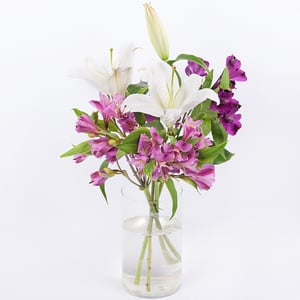
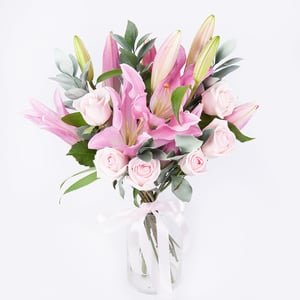
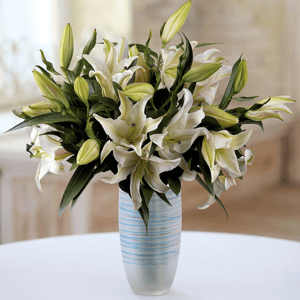
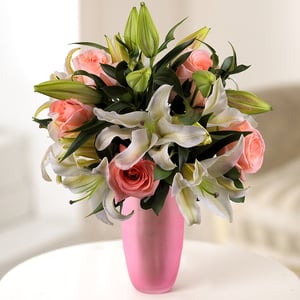
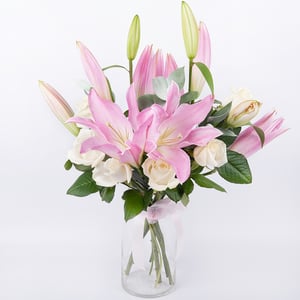
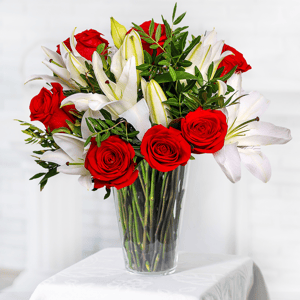
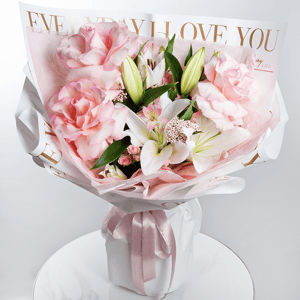
Sending fragrant flowers as gifts
Ordering flowers that smell good for someone else takes a little extra thought. Not every recipient loves strong scent. People with allergies or scent sensitivities may struggle with Oriental lilies or tuberose in a closed room.
When you order a fragrant bouquet through a delivery service, local florists assemble the arrangement using fresh, seasonal blooms. Ask the florist to specify fragrance level — mild (freesias, sweet peas), medium (garden roses, stock), or strong (gardenias, Stargazer lilies).
You can also request fragrance-free options. Tulips, ranunculus, and hydrangeas add gorgeous color with almost zero scent.
Your nose already knows which flowers it loves — now you have the names, growing specs, and practical tips to match. Start with just 2 or 3 varieties from this list, plant them close to where you actually sit, and let scent reshape how you experience your garden. Which fragrant flower are you most curious to try?
Send fresh flowers today
Choose an arrangement, add a personal note, and have a local florist hand-deliver it fresh.
FAQ
What single flower produces the strongest fragrance?▾
Tuberose consistently tops fragrance intensity charts. Professional perfumers use tuberose as a benchmark for "white floral" scent. Night-blooming jasmine also ranks extremely high because the plant concentrates its scent release into a few evening hours.
Do fragrant flowers last as long as unscented flowers in a vase?▾
Fragrant flowers generally last 4–7 days with proper care, while many odorless varieties last 10–14 days. The aromatic oils that create scent also speed petal aging. Change the water daily and keep the room cool to maximize vase life.
Can I grow fragrant flowers indoors year-round?▾
Yes. Gardenias, jasmine (Jasminum sambac), and stephanotis all grow well indoors near bright windows. Supplement natural light with a grow lamp running 12–14 hours per day during winter months. Keep indoor humidity above 40% — most fragrant tropical plants suffer in dry, heated rooms.
Which fragrant flowers work best for wedding bouquets?▾
Garden roses, peonies (May–June weddings), stephanotis, and freesias rank as the top 4 choices among wedding florists. Sweet peas work beautifully for cool-weather weddings in March or October. Avoid tuberose and Stargazer lilies if anyone in the wedding party has scent sensitivity.
Are there fragrant flowers safe for homes with cats or dogs?▾
Roses, snapdragons, and sunflowers pose no toxicity risk to cats or dogs, and roses carry noticeable scent. Avoid lilies entirely — all true lilies (Lilium species) cause acute kidney failure in cats, even from minor pollen contact. The ASPCA poison control hotline (888-426-4435) answers pet-specific plant questions around the clock.
When should I plant fragrant bulbs in the U.S.?▾
Plant hyacinth, daffodil, and snowdrop bulbs in October or November, before the first hard freeze. Plant tuberose and freesia bulbs in late spring after your last frost date — usually mid-April in Zone 7, early May in Zone 6, and late May in Zone 5. Check your zip code on the USDA Plant Hardiness Zone Map at planthardiness.ars.usda.gov for precise frost dates.