 EUR
EUR
 GBP
GBP
 CAD
CAD
 AUD
AUD

 ✨Boss’s Day✨
 Birthday
 Occasions
 Same Day
 Flowers
 Roses
Roses
 Plants
 Gifts
Gifts
 International Flower Delivery
Perennial flowers
Perennial flowers save you money and effort because they return every year without replanting. A single coneflower plant, for example, can bloom reliably for 10+ years in USDA Zones 3–9. Whether you want color from April through October or a low-maintenance bed that thrives on neglect, perennial flowers give you exactly that. This guide walks you through types, growing conditions, care basics, and the best varieties for every yard across the United States.
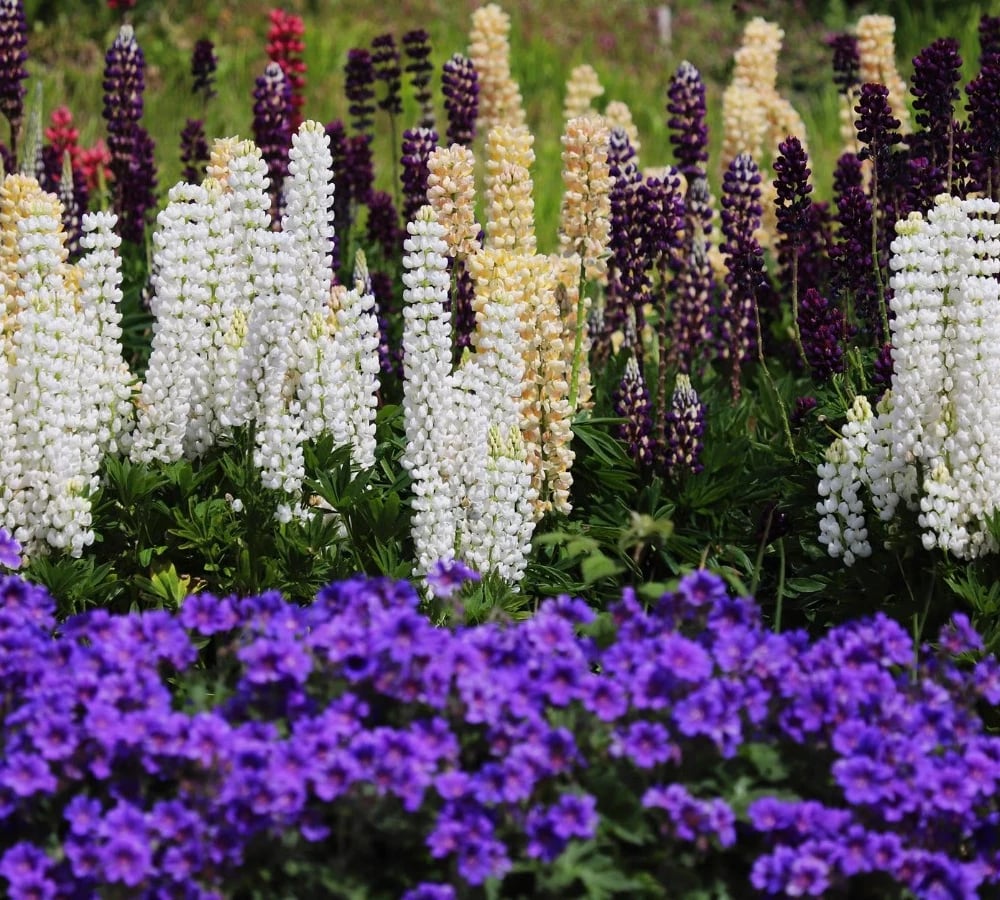
What are perennial flowers?
Perennial flowers live for more than two growing seasons. Their root systems survive winter dormancy, and the plants push out fresh growth each spring. Annuals complete their life cycle in one season — you buy them, they bloom, they die. Perennials skip the "die" part.
The USDA Plant Hardiness Zone Map divides the U.S. into 13 zones based on average minimum winter temperatures. A perennial rated for Zone 5 tolerates winters down to −20 °F. Zone ratings matter more than any other factor when you pick perennials, so check your zone before you buy.
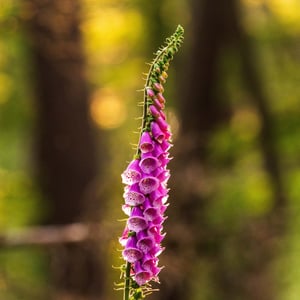
Some gardeners confuse perennials with biennials. Biennials like foxglove need two years to complete their cycle — foliage the first year, flowers the second. True perennials bloom every year once established. Big difference.
Perennial flowers vs. annual flowers: key differences
Annual flowers often produce more blooms in a single season. Perennial flowers build stronger roots and spread over time. The table below breaks down the core differences.
| Feature | Perennial flowers | Annual flowers |
|---|---|---|
| Lifespan | 3–20+ years (varies by species) | One growing season |
| Upfront cost | $5–$25 per plant (gallon pot) | $2–$8 per plant (cell pack) |
| Long-term cost | Lower — no annual replanting | Higher — buy new plants every spring |
| Bloom window | 2–8 weeks per variety (stagger for all-season color) | Continuous from planting to frost |
| Maintenance | Divide every 3–4 years; deadhead as needed | Water and fertilize frequently |
| Winter survival | Roots survive dormancy | Plants die at first hard frost |
The smart move? Combine both. Plant perennials as your backbone and fill gaps with annuals for nonstop color.
Types of perennial flowers by growing condition
Perennial flowers for full sun
Full-sun perennials need at least 6 hours of direct sunlight daily. These varieties thrive in open beds, borders, and south-facing gardens.
- Lavender (Lavandula) — blooms June through August, grows 12–24 inches tall, and tolerates drought once established
- Black-eyed Susan (Rudbeckia) — produces golden-yellow blooms from July to September in Zones 3–9
- Coneflower (Echinacea purpurea) — attracts butterflies and hummingbirds, handles heat well, and reaches 2–5 feet tall
- Daylily (Hemerocallis) — offers over 80,000 registered cultivars and blooms in nearly every color except true blue
- Yarrow (Achillea) — spreads quickly, blooms June through September, and resists deer browsing
Perennial flowers for shade
Shade perennials perform best with fewer than 4 hours of direct sun. Many produce stunning foliage alongside their blooms.
- Hosta — grows in Zones 3–8, produces lavender or white flower spikes in midsummer, and offers leaf sizes from 3 inches to over 2 feet wide
- Astilbe — sends up feathery plumes in pink, red, white, or purple from June through August
- Coral bells (Heuchera) — delivers year-round foliage color in shades of burgundy, lime, peach, and silver
- Bleeding heart (Dicentra) — dangles heart-shaped flowers from arching stems in April and May
Perennial flowers that bloom all summer
Perennial flowers that bloom all summer give you 12–16 weeks of continuous color. These workhorses keep going from late May through September or even October.
- Catmint (Nepeta) — blooms May through first frost, grows 12–36 inches, and deer avoid catmint completely
- Coreopsis (Tickseed) — produces sunny yellow or bicolor blooms from June to October in Zones 4–9
- Russian sage (Salvia yangii) — sends up lavender-blue spikes from midsummer through fall, reaching 3–5 feet
- Blanket flower (Gaillardia) — blooms in bold red-and-yellow rings from June until hard frost
- Shasta daisy (Leucanthemum) — delivers classic white petals with yellow centers from June through September
Best perennial flowers for specific goals
Perennial flowers that attract hummingbirds
Hummingbirds favor tubular blooms in red, orange, and pink. Bee balm (Monarda didyma) ranks among the top hummingbird magnets — one plant can draw multiple birds daily during its July-to-August bloom period. Cardinal flower (Lobelia cardinalis) produces vivid red spikes in late summer and thrives in moist soil in Zones 3–9. Penstemon (Beardtongue) blooms from May through July and offers a long, narrow flower shape that hummingbirds love.
Perennial deer-resistant flowers
Deer cause over $2 billion in crop and garden damage annually across the U.S., according to USDA estimates. These perennials contain compounds deer dislike.
- Lavender — strong fragrance deters deer and rabbits
- Salvia — textured leaves and aromatic oils repel browsing
- Allium — onion-family scent keeps deer away through the entire growing season
- Foxglove (Digitalis) — toxic alkaloids make foxglove unpalatable to deer, though gardeners with small children should note the plant's toxicity
Perennial cut flowers
Perennial cut flowers reduce your florist bill year after year. Peonies produce lush, fragrant blooms in May and June — a single mature peony bush yields 20–30 stems per season. Dahlias (technically tender perennials in Zones 8–11) deliver dinner-plate-sized blooms from July through October. Echinacea, asters, and Shasta daisies also hold well in a vase, lasting 7–10 days with fresh water.
Want blooms while the garden gets established?
Browse fresh arrangements from local florists while your perennials grow into their first full season.
How to choose the right perennial flowers
Perennial flowers come in thousands of varieties. Narrowing your options starts with four questions.
- 1. What USDA zone do you live in? Enter your zip code at planthardiness.ars.usda.gov to find out. Every perennial label lists a zone range.
- 2. How much sun does your planting spot get? Track sunlight for one full day. Full sun means 6+ hours. Part shade means 3–6 hours. Full shade means fewer than 3 hours.
- 3. What soil type do you have? Sandy soil drains fast and suits lavender, coneflower, and yarrow. Clay soil holds moisture and works for daylilies, astilbe, and bee balm. A $12 soil test kit from any garden center tells you your pH and nutrient levels.
- 4. When do you want color? Stagger bloom times. Plant spring bloomers (bleeding heart, creeping phlox), summer bloomers (coneflower, daylily), and fall bloomers (asters, sedum) together. This layered approach keeps your garden colorful from April through November.
Low-maintenance perennial flowers: 5 picks that almost grow themselves
Low-maintenance perennial flowers suit busy gardeners, first-time planters, and anyone who wants color without constant fussing. These five varieties ask for almost nothing.
- Daylily — survives drought, poor soil, and neglect; divide clumps every 4–5 years to keep daylilies vigorous
- Sedum (Stonecrop) — stores water in thick leaves, blooms August through October, and grows in rocky or sandy ground
- Hosta — thrives in shade without supplemental watering in most of the eastern U.S.
- Black-eyed Susan — self-seeds freely and returns stronger each spring
- Catmint — shear catmint back by one-third after the first flush; a second wave of blooms follows within 2 weeks
Common mistakes when growing perennial flowers
Perennial flowers tolerate a lot, but these errors stunt growth or kill plants outright.
- ✗Planting too deep. Set the crown (where stems meet roots) at soil level. Burying the crown 2–3 inches too deep causes rot, especially in clay soils.
- ✗Skipping mulch. A 2–3 inch layer of shredded bark or compost insulates roots, retains moisture, and suppresses weeds. Bare soil dries out fast in July heat.
- ✗Ignoring spacing. Crowded perennials compete for nutrients and develop fungal diseases. Give each plant the spacing listed on the label — typically 12–24 inches for mid-sized varieties.
- ✗Fertilizing too late. Apply a balanced 10-10-10 fertilizer in early spring when new growth appears. Late-season feeding (after August 1) pushes tender growth that winter kills.
- ✗Forgetting to divide. Most perennials need division every 3–4 years. A clump that stops blooming in the center signals overcrowding. Dig the clump up, split the clump into sections, and replant.
Perennial flower care through the seasons
Spring care (March–May)
Cut back dead foliage from last year. Apply 1–2 inches of compost around each plant. Set stakes or supports for tall varieties like delphiniums before stems reach 12 inches.
Summer care (June–August)
Water deeply once per week — about 1 inch of water. Deadhead spent blooms to encourage repeat flowering. Watch for Japanese beetles on roses, coneflowers, and hollyhocks; hand-pick beetles in the early morning when beetles move slowly.
Fall care (September–November)
Stop fertilizing after Labor Day. Leave ornamental grasses and seed heads standing — birds eat the seeds, and the structure protects crowns from frost. Plant new perennials at least 6 weeks before your first expected frost date so roots establish before winter.
Winter care (December–February)
Add an extra 2-inch layer of mulch after the ground freezes. Avoid walking on frozen beds — compacted soil damages dormant roots. In Zones 5 and colder, cover tender perennials like lavender with evergreen boughs for added insulation.
Perennial flowers that bloom from spring to fall
True all-season perennials exist, but they need help. No single variety blooms nonstop from March through November. Smart gardeners build a relay of bloom times.
- Spring relay (April–May): Creeping phlox carpets the ground in pink, purple, and white. Irises follow with blooms in nearly every color.
- Early summer relay (June–July): Coneflowers and daylilies take over with bold, warm-toned blooms.
- Late summer relay (August–September): Russian sage and Rudbeckia fill the garden with purple haze and golden daisies.
- Fall relay (October–November): Asters and Sedum 'Autumn Joy' close the season with burgundy, pink, and deep purple.
Plant at least 2 varieties per relay window. This strategy gives you 7–8 months of continuous color from a single perennial bed.
Popular perennial flower picks worth trying
- Echinacea 'Magnus' — This classic purple coneflower grows 3–4 feet tall and blooms from late June through August. Echinacea 'Magnus' won the Perennial Plant Association's Plant of the Year award in 1998 and remains one of the most widely planted perennials in America. Butterflies flock to the blooms. Goldfinches eat the seed heads in fall.
- Salvia 'May Night' — Deep violet-blue spikes appear in late May and rebloom after deadheading. Salvia 'May Night' earned its own Plant of the Year designation in 1997. The plant grows 18–24 inches tall, tolerates heat and humidity, and laughs at deer.
- Heuchera 'Palace Purple' — Rich burgundy foliage lasts from spring through fall, with tiny white flower sprays in June. Heuchera 'Palace Purple' works beautifully in shade gardens and containers. Mature clumps reach about 18 inches wide.
Perennial flowers reward patience. Your first year, the garden looks sparse. Year two, the clumps fill out. By year three, you have a lush, established bed that costs nothing to replant — and neighbors start asking for divisions. Start with 5–7 varieties across different bloom windows, and you'll enjoy color from early spring through the first hard frost. Your future self will thank you for the effort you put in today.
Send flowers while the garden grows
Pick an arrangement, add a note, and let a local florist deliver it fresh to their door.
Frequently asked questions about perennial flowers
Do perennial flowers come back every year?▾
Yes. Perennial flowers regrow from their root systems each spring. Most varieties return for 3–15 years or longer, depending on the species and your growing conditions. Peonies hold the record — some peony plants have bloomed annually for over 100 years.
What perennial flowers bloom all summer long?▾
Catmint, Coreopsis, Blanket Flower (Gaillardia), and Stella de Oro Daylily bloom continuously from late May or June through September. Deadheading spent blooms extends the flowering period by 2–4 weeks for most of these varieties.
Can I grow perennial flowers in containers?▾
Absolutely. Choose a pot at least 12 inches in diameter with drainage holes. Use a soilless potting mix, and water containers more frequently than in-ground beds — container soil dries out 2–3 times faster. In Zones 5 and colder, move pots to an unheated garage during winter so roots avoid freeze-thaw cycles.
When should I plant perennial flowers?▾
Plant perennials in early spring (after the last frost) or early fall (6–8 weeks before the first frost). Fall planting gives roots a head start before summer heat. Most garden centers across the U.S. stock the best perennial selection between March and May.
How do I keep perennial flowers healthy over many years?▾
Divide crowded clumps every 3–4 years in early spring or fall. Apply 1–2 inches of compost annually. Mulch with 2–3 inches of organic material. Water deeply once a week during dry spells rather than lightly every day. Deep watering encourages roots to grow downward, and deeper roots survive drought better.