 EUR
EUR
 GBP
GBP
 CAD
CAD
 AUD
AUD

 ✨Boss’s Day✨
 Birthday
 Occasions
 Same Day
 Flowers
 Roses
Roses
 Plants
 Gifts
Gifts
 International Flower Delivery
Non-toxic plants for cats and dogs
Non-toxic plants for cats let you fill every room with greenery — without a single emergency vet visit. The ASPCA lists over 500 plants as safe for cats and dogs, yet roughly 70% of popular houseplants carry some level of toxicity. That gap matters. You deserve a clear, practical guide that names specific pet-safe flowers, indoor houseplants, and garden perennials — so you can shop with confidence and skip the guesswork.
Why non-toxic plants for cats and dogs matter
Non-toxic plants for cats and dogs protect curious nibblers from vomiting, kidney failure, and worse. The ASPCA Animal Poison Control Center handled over 401,000 cases in 2023, and plant ingestion ranked among the top 10 call categories. Cats face especially high risk because they lack a key liver enzyme (glucuronyl transferase) that helps metabolize certain plant compounds. Dogs tend to chew more aggressively, swallowing larger quantities in one go.
A single lily stem can cause fatal kidney failure in a cat within 72 hours. Sago palm seeds carry a 50% mortality rate for dogs. These numbers underscore why choosing verified pet-safe flowers and houseplants goes beyond preference — your pet's life depends on it.
What flowers are not toxic to cats?
Pet-safe flowers give you vibrant color without the danger. Here are 10 non-toxic flowers for cats that also remain safe for dogs:
- Roses (Rosa spp.) — thorns may scratch, but petals carry zero toxicity for cats or dogs
- Sunflowers (Helianthus annuus) — bright, large blooms that grow up to 12 feet tall outdoors
- Orchids (Phalaenopsis) — one of the safest flowering houseplants, blooming for 8–12 weeks
- Gerbera daisies (Gerbera jamesonii) — available in over 40 colors, all non-toxic
- Snapdragons (Antirrhinum majus) — cool-season annuals that thrive in USDA zones 7–10
- Zinnias (Zinnia elegans) — heat-loving annuals safe for every household pet
- Celosia (Celosia argentea) — plume-shaped blooms lasting 6–8 weeks in arrangements
- Lisianthus (Eustoma grandiflorum) — rose-like petals with no toxic compounds
- African violets (Saintpaulia ionantha) — compact bloomers reaching just 6–9 inches wide
- Camellias (Camellia japonica) — winter-blooming shrubs safe for cats, dogs, and horses
Every flower on this list appears on the ASPCA's verified non-toxic database. Always double-check Latin names when buying — common names sometimes overlap across toxic and safe species.
Pet-safe houseplants for indoor spaces
Pet-safe houseplants let you create a lush indoor jungle in any apartment or house. The following 8 indoor picks tolerate typical home conditions (60–75°F, indirect light) and pose zero threat to cats or dogs:
| Plant name | Light needs | Mature size | Best for |
|---|---|---|---|
| Boston fern (Nephrolepis exaltata) | Bright indirect | Up to 3 feet wide | Hanging baskets |
| Spider plant (Chlorophytum comosum) | Low to bright indirect | 12–15 inches tall | Beginners, shelves |
| Parlor palm (Chamaedorea elegans) | Low indirect | 4–6 feet tall | Dim corners |
| Calathea (Calathea spp.) | Medium indirect | 1–2 feet tall | Bathrooms, humidity lovers |
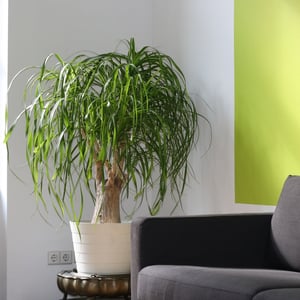
| Ponytail palm (Beaucarnea recurvata) | Bright direct or indirect | Up to 8 feet indoors | Statement pieces |
| Peperomia (Peperomia spp.) | Medium indirect | 6–12 inches tall | Desks, small pots |
| Areca palm (Dypsis lutescens) | Bright indirect | 6–7 feet indoors | Living rooms, air purifying |
| Prayer plant (Maranta leuconeura) | Low to medium indirect | 10–12 inches tall | Tabletops, decorative foliage |
NASA's Clean Air Study identified several of these — spider plants, Boston ferns, and areca palms — as effective at filtering formaldehyde and xylene from indoor air. You get cleaner air and a safer home in one move.








Safe plants for dogs: garden and yard picks
Safe plants for dogs deserve a spot in every backyard, especially if your pup roams freely. Dogs chew stems, dig up roots, and roll through flower beds — so every plant needs to pass the "whole-plant safe" test.
Perennial flowers safe for dogs
Perennial flowers safe for dogs come back year after year, reducing replanting costs. These 5 options thrive across most U.S. growing zones:
- Coneflower (Echinacea purpurea) — hardy in USDA zones 3–9, blooms June through September
- Coral bells (Heuchera) — shade-tolerant groundcover reaching 12–18 inches tall
- Astilbe (Astilbe spp.) — feathery plumes that thrive in zones 4–8 with partial shade
- Coreopsis (Coreopsis grandiflora) — drought-tolerant, blooming from late spring through fall
- Bee balm (Monarda didyma) — attracts pollinators, grows 2–4 feet tall, safe for all pets
Ground-level safety tips
Mulch type matters as much as plant choice. Cocoa mulch contains theobromine — the same compound that makes chocolate toxic to dogs. A 50-lb dog can experience tremors after eating just 2 ounces of cocoa mulch. Use cedar or pine bark instead.
Looking for a bouquet that's safe around pets?
Browse arrangements built from pet-friendly blooms and pick one that suits the recipient and their household.
How to choose the right pet-safe flowers
Pet-safe flowers require a bit of research before you buy. Follow these 4 steps each time you add greenery:
- Verify the Latin name on the ASPCA Toxic and Non-Toxic Plant List at aspca.org
- Check every plant in a mixed bouquet — one toxic stem makes the whole arrangement dangerous
- Ask your florist to exclude lilies, tulips, and chrysanthemums from any delivery to your home
- Photograph every new plant with a plant-ID app like PictureThis or PlantSnap before placing it indoors
Quick tip: your local florist can build custom arrangements using only flowers safe for cats and dogs. Just mention "pet-safe" when you order.
Flowers and plants that are toxic to cats and dogs
Knowing what flowers are toxic to cats and dogs helps you avoid costly mistakes. This short list covers the most dangerous offenders found in U.S. homes and gardens:
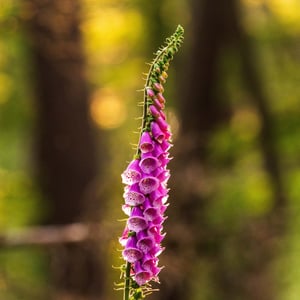
- ✗Lilies (Lilium and Hemerocallis) — all parts cause kidney failure in cats; pollen alone can kill
- ✗Tulips (Tulipa) — bulbs contain the highest concentration of allergenic lactones
- ✗Sago palm (Cycas revoluta) — every part carries cycasin, toxic to dogs, cats, and horses
- ✗Oleander (Nerium oleander) — ingesting a single leaf can cause cardiac arrest in small dogs
- ✗Autumn crocus (Colchicum autumnale) — contains colchicine, which suppresses cell division
- ✗Azalea (Rhododendron spp.) — grayanotoxins affect the heart and central nervous system
The ASPCA's poison hotline charges a $95 consultation fee per call. Prevention costs nothing. Remove every plant on this list from your home today.

Common mistakes when buying plants for pet owners
Non-toxic plants for cats and dogs still cause problems when pet owners skip important details. Avoid these frequent errors:
- ✗Trusting common names alone. "Lily" appears in over 20 plant names. Peace lily (Spathiphyllum) causes oral irritation but rarely death. True lilies (Lilium) cause fatal kidney failure. The common name tells you almost nothing — always check the botanical name.
- ✗Ignoring pesticide residue. A non-toxic plant sprayed with systemic insecticides becomes a hazard. Buy organic or pesticide-free plants whenever possible. Rinse all new plants with plain water before placing them within your pet's reach.
- ✗Forgetting about vase water. Cut flowers leach compounds into standing water. Cats love drinking from vases. Even safe flowers can cause mild stomach upset if your cat drinks stale vase water loaded with bacteria. Change vase water every 2 days.
- ✗Overlooking fertilizer sticks. Many potted houseplants arrive with slow-release fertilizer pellets in the soil. Dogs dig and eat these pellets. Remove visible fertilizer from the top 2 inches of soil after every purchase.
Care tips for pet-safe indoor plants
Pet-safe plants indoor grow best when you match each species to the right spot. Here's a room-by-room approach:
- Living room. Areca palms and ponytail palms handle the bright, indirect light near south-facing windows. Both tolerate the 65–75°F range typical of climate-controlled homes. Water areca palms once a week; ponytail palms store water in their trunk and need watering only every 10–14 days.
- Bedroom. Spider plants and prayer plants prefer the lower light of north-facing windows. Spider plants produce "pups" — small offshoots you can clip and root in water within 7–10 days. Free plants for every room.
- Bathroom. Calatheas and Boston ferns love humidity above 50%. A bathroom with a shower provides that naturally. Mist Boston fern fronds 2–3 times per week during dry winter months to prevent browning.
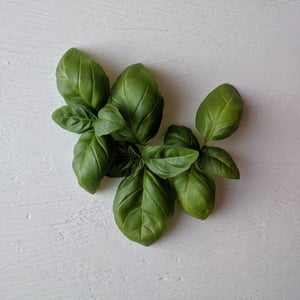
- Kitchen. Herbs like rosemary (Salvia rosmarinus) and basil (Ocimum basilicum) grow well on sunny windowsills. Both herbs carry zero toxicity for cats and dogs. You cook with them and keep your pets safe simultaneously.







Popular pet-safe bouquets and when to send them
Pet-safe flowers make thoughtful gifts for any pet owner on your list. Three occasions stand out:
- Mother's Day (second Sunday of May). A bouquet of roses, sunflowers, and lisianthus celebrates mom without endangering her cat. Order by noon EST on Friday for same-day or next-day delivery in most U.S. metro areas.
- Housewarming gifts. A potted orchid or money tree (Pachira aquatica) gives a new homeowner lasting greenery. Money trees typically grow 3–6 feet indoors and need watering only when the top 2 inches of soil feel dry.
- Get-well arrangements. Gerbera daisies and snapdragons bring cheerful color to a recovery room. Both last 7–10 days in a vase with fresh water and flower food.
When you order flowers for someone with pets, mention the pet situation to your florist. A good florist swaps out any risky stem without changing the arrangement's look.
Your next step
Start with one swap. Replace one toxic plant in your home with a verified pet-safe alternative this week. Your cat or dog explores every surface, chews every leaf, and drinks from every water source — so every plant choice carries real weight. Browse the collection above, cross-reference with the ASPCA database, and build a home where greenery and pets coexist safely. Your pets trust you with their environment. That trust deserves a few minutes of research.
Send flowers a pet owner can relax around
Choose your arrangement, note the pets at checkout, and let a local florist hand-deliver it fresh.
Frequently asked questions
What plants are not toxic to cats according to the ASPCA?▾
The ASPCA verifies over 500 plants as non-toxic to cats. Popular choices include spider plants, Boston ferns, areca palms, African violets, orchids (Phalaenopsis), and calatheas. Always search the plant's Latin name on aspca.org before buying — common names can overlap with toxic species.
Are roses safe for cats and dogs?▾
Yes. Roses (Rosa spp.) carry no toxic compounds for cats or dogs. Thorns can scratch mouths and paws, so trim stems before placing roses in a pet-accessible area. Remove fallen petals promptly, as decaying plant matter may cause mild stomach upset.
What is the safest flower to send to a pet owner?▾
Sunflowers rank among the safest cut flowers for homes with pets. Sunflowers contain no toxic compounds in any part of the plant — petals, stems, leaves, and seeds all pass ASPCA safety standards. Gerbera daisies and roses also make excellent pet-safe gift options.
Can non-toxic plants still make my cat sick?▾
A cat may vomit or experience mild diarrhea after chewing any plant, even a non-toxic one. Plant fiber can irritate a cat's stomach lining. The key difference: non-toxic plants cause temporary discomfort, while toxic plants cause organ damage or death. Limit your cat's access to all plants as a precaution.
Which common houseplants should I remove immediately if I have pets?▾
Remove lilies (Lilium), pothos (Epipremnum aureum), dieffenbachia, sago palms, and philodendrons from any home with cats or dogs. Lilies pose the greatest danger — even small amounts of pollen can trigger fatal kidney failure in cats within 24–72 hours. Replace these with any of the pet-safe alternatives listed above.